



When storms hit hard: Your first moves matter
By ROOFCORP of America.
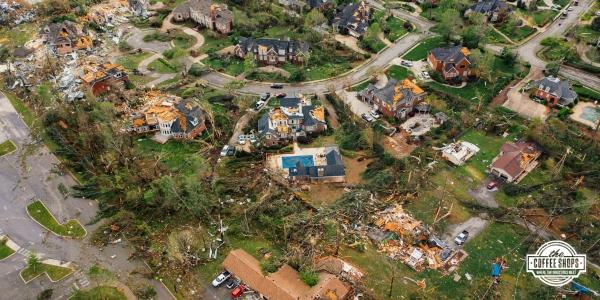
When high winds rip through your property, the right response can decide whether you face a quick recovery or a costly shutdown.
A sudden storm can turn a dependable commercial roof into a liability in minutes, which is why businesses rely on ROOFCORP of America when the skies open and the pressure rises. Storm damage can happen fast, but your plan can move faster. With the right partner, you can protect your building, keep operations steady and stay ahead of problems before they spread.
Safety comes first: What to do right after the storm
Storm damage to a commercial roof isn’t always visible from the ground, but it can create real hazards. Before doing anything else, evacuate any affected interior spaces, especially if there’s visible water intrusion or sagging ceiling panels. Don’t attempt to climb the roof yourself; loose debris, slick surfaces or hidden structural weaknesses could make it dangerous. If it’s safe, document what you can from inside using photos or video. That visual record can be incredibly helpful when dealing with insurers or restoration professionals.
While your first instinct may be to control the leak, remember that your first responsibility is to protect people and property. Damage can be repaired, but injuries are far more costly.
How do you know if you need immediate repairs?
Not all roofing damage demands immediate action. However, active leaks near electrical systems, displaced roofing materials or visible structural sagging should be taken seriously. If water stains inside are spreading rapidly or if insulation is flapping in the wind, it’s time to call for emergency help. These signs often indicate deeper vulnerabilities that can escalate quickly if left unchecked.
Additionally, keep in mind that even minor damage can compromise the overall system. A small puncture in the membrane might lead to widespread moisture issues that manifest weeks or months later. The sooner the roof is evaluated, the better your chances of preventing secondary problems like mold or wood rot.
Assess, don’t guess: What to look for
Even if it looks minor, any breach in a roofing system can lead to much bigger problems down the line. Once it’s safe, walk the interior to check for signs like wet drywall or bubbling paint. Around rooftop equipment, such as HVAC units, storm debris may have shifted materials or caused punctures. As you inspect the building’s perimeter, look for membrane pieces or flashing on the ground — those are red flags. Gutters and drains deserve a glance too; pooling water often starts with poor drainage.
If the building has a flat roof, it may be especially vulnerable to pooling, which can accelerate wear and tear. Even moderate wind or rain can cause subtle damage to properties in high-exposure regions like Los Angeles. That’s why building managers should start commercial roof repairs with a thorough post-storm assessment.
Call the right professionals
The longer storm damage sits, the worse it gets and the more it costs. Water finds pathways. Insulation soaks and molds. Structural decks rot. What may seem like surface-level damage can mask deeper structural threats. In commercial settings, it’s your building’s integrity and your reputation that’s on the line.
Emergency commercial roof repair isn’t just a patch job. It requires rapid-response crews trained in safety and moisture control. These teams should know how to stabilize the structure using temporary solutions like tarping and sealing, as well as manage drainage to prevent further pooling or collapse. Following that, a proper inspection needs to be conducted — not only to determine the extent of the damage but also to build an accurate repair plan.
A seasoned contractor also understands the long game. Beyond the first 48 hours, they’ll help map out repair or replacement timelines, communicate clearly with stakeholders and provide the documentation insurers often require to validate claims. Choosing a contractor experienced in storm damage commercial roof repair means faster recovery, fewer mistakes and better coordination with everyone involved.
Insurance questions: What will they cover?
Most commercial property insurance policies cover storm-related roof damage, but exceptions exist. Understanding your coverage helps prevent delays and denials.
Insurers typically expect building owners to take action immediately. Most policies include clauses that require “reasonable steps” to mitigate further damage. That’s why emergency tarping, sealing or temporary containment isn’t just good practice — it’s critical to keeping your claim valid.
In addition to taking action, documentation matters. Time-stamped photos, inspection reports and contractor statements provide the supporting evidence claims adjusters need to move your file forward. On the flip side, insurers may deny or limit coverage if the roof was already in poor condition before the storm hits. Maintenance records can help clarify your case.
Partnering with a contractor who understands the claims process and knows how to prepare thorough documentation makes a huge difference when timing is tight and communication is critical.
From claim to crew: What’s the timeline for emergency roofing services?
Response time depends on the severity of the storm and regional impact, but here’s a general breakdown:
- Within 24 hours: Tarping or immediate mitigation
- Within 72 hours: Full damage assessment and temporary stabilization
- Within 1 week: Estimate, scope of work and potential repair/replacement timeline
Demand spikes can affect these timeframes, like after a regional storm or natural disaster. High-demand areas like Southern California and the Pacific Northwest may see delays, especially during wildfire season or rainy winters. That’s why having a trusted relationship with a local roofing partner can help streamline responses when the unexpected hits.
Choosing the right contractor for the job
In the chaos after a storm, you last need a contractor who cuts corners or disappears after patching the damage. The right contractor will offer 24/7 emergency response and transparent communication. Their crews are licensed, insured and experienced with commercial roofing systems, not just residential work. They won’t show up only when disaster strikes and disappear once the check clears. They’ll stand behind their work and keep you informed every step of the way.
You also want a contractor grounded in your region. Working with a provider familiar with commercial roof repair in Washington and Los Angeles properties often requires better insight, faster turnaround and no guesswork.
Fast action matters and the right partner ensures that action pays off. By choosing wisely, building owners can prevent business interruptions, protect tenants and avoid long-term costs.
Why acting fast saves you more than just money
Emergency service isn’t just about the roof. Quick action protects your inventory, keeps tenants dry and reduces liability risk. When dealing with storm damage, every hour counts, especially in multi-tenant or high-traffic buildings.
Leaks that start small can spiral into larger problems: mold that affects air quality, electrical malfunctions, tenant displacement and potential legal trouble. Damaged insulation also means long-term energy loss and increased utility costs.
Fast, professional storm damage commercial roof repair keeps these problems from snowballing. Acting quickly minimizes business disruption and helps safeguard the structure and everyone inside it.
Get ahead of the weather with ROOFCORP
Storms might be unpredictable, but your response plan doesn’t have to be. ROOFCORP brings over 40 years of experience helping commercial property managers protect their buildings from unexpected weather. Every step is handled with urgency and care, from rapid assessments to full system replacements. When the weather turns severe, having the right team on call means fewer disruptions, safer interiors and less guesswork under pressure.
Original article source: ROOFCORP of America
Have a question? AskARoofer.
Find your local roofing contractor in the AskARoofer™ Contractor Directory.
Recommended For You

Fall Protection for Roofing Workers
Read More ...
20 roof inspection myths every homeowner should know
Read More ...
6 key considerations for a successful roof replacement
Read More ...




Comments
Leave a Reply
Have an account? Login to leave a comment!
Sign In