


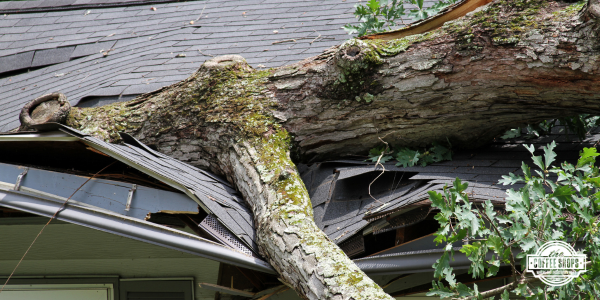
5 things not to do after a severe storm
By Nick Post, KPost Company.
Avoiding common missteps can help keep repairs to a minimum and your home protected.
When severe weather hits, roof damage is often one of the first and most costly issues homeowners face. Acting quickly after a storm can help protect your property, but making the wrong moves can lead to safety risks, added damage or problems with an insurance claim. KPost Company advises homeowners to understand not only what steps to take after a storm, but also what mistakes to avoid so roof repairs stay manageable, and claims stay on track.
1 - Climbing on the roof
Even if the damage looks minor, climbing onto your roof right after a storm is never a good idea. Wet shingles, steep slopes and unseen damage make roofs extremely dangerous. All it takes is one slip to cause serious injuries. If the roof was already leaking, parts of the decking underneath could be weakened or rotten. Stepping in the wrong spot could lead to a fall straight through the roof.
It’s also worth noting that many insurance policies don’t cover damage caused by an untrained homeowner attempting their own inspection. Between the safety risks and the chance of making the damage worse, it’s best to leave roof inspections to trained professionals.
2 - Failing to document the damage
Documenting storm damage is a big part of making sure your insurance claim goes smoothly. The most reliable approach is to have a professional roofing company do a thorough inspection and document everything for you.
Some types of damage, like small hail impacts or lifted shingles, are easy to miss if you don’t know what to look for. Even if you did climb up there, you might not spot all the issues. A professional eye is your best chance at getting the full picture.
3 - Calling your insurance company first
It may seem natural to call your insurance company right away after harsh weather. But calling before you’ve had a licensed roofing contractor to inspect the roof can sometimes cause headaches later. Adjusters may overlook certain types of damage, while roofers have the training to identify harder-to-spot issues.
When you call a roofer first, you’ll already have photos and documentation to help support your claim. Our KPost Representatives always make sure to meet with the adjuster on-site to make sure nothing gets missed during the inspection.
A professional roofing contractor can also help you decide whether filing a claim makes sense in the first place. If the damage is tied to pre-existing wear and tear, your insurer may not cover it, and you don’t want to file a claim unnecessarily if it could affect your premiums or claims history. A trusted roofer can help you understand your options before making a decision.
4 - Hiring a “storm-chaser,” not a local company
After a major storm, it’s common to see out-of-state contractors going door to door offering quick roof repairs or replacements. In the roofing industry, these companies are known as “storm chasers.” They travel from state to state following severe weather, and many are not properly licensed, insured or familiar with local building codes. Hiring one of these temporary crews can lead to problems with insurance claims and future repairs, especially if the work wasn’t done correctly.
There’s also a significant liability risk. If a worker is injured on your property and the company doesn’t carry proper insurance, you could be held responsible for their medical bills. And if they cause damage or perform poor-quality work, getting them to return and fix it can be nearly impossible once they move on to the next storm-hit area.
Local companies, however, are rooted in the community and committed to long-term service. They protect their reputation, follow local codes, warranty their work and are available whenever you need them. Choosing a trusted local contractor means choosing accountability, quality craftsmanship and peace of mind.
While our team does knock on doors to connect with homeowners, we do it as a local, established company, not as storm chasers. We live here, we work here and we’re here long after the storm passes.
5 - Ignoring leaks
If a storm causes roof damage, it may take some time before repairs can be completed. But one thing you should never ignore is a leak. Even if the roof doesn’t seem to be leaking yet, missing shingles, damaged flashing or compromised underlayment can quickly allow water inside.
Experienced roofers can apply temporary fixes to prevent further damage, and if the roof has multiple leaks or significant damage, tarping may be the safest way to protect your home until repairs can be done.
While you’re waiting on the inspection, take a look in your attic and check the ceilings under your roof. If you see a leak in the attic, place a bucket underneath to catch the water. If a ceiling starts to bubble or sag, that’s a sign water is collecting behind the drywall.
For over 20 years, KPost Company has been a trusted provider of residential and commercial roofing services. We specialize in roofing, storm damage repair and replacement, and our experienced team works with a wide range of roofing systems and materials. If needed, we can also help you navigate the insurance claims process. To schedule an inspection and get the help you need after storm damage, contact us today.
Original article source: KPost Company
Have a question? AskARoofer.
Find your local roofing contractor in the AskARoofer™ Contractor Directory.
Recommended For You
Fall Protection for Roofing Workers
Read More ...
What to do when the water starts rising: Emergency roof leak repair tips
Read More ...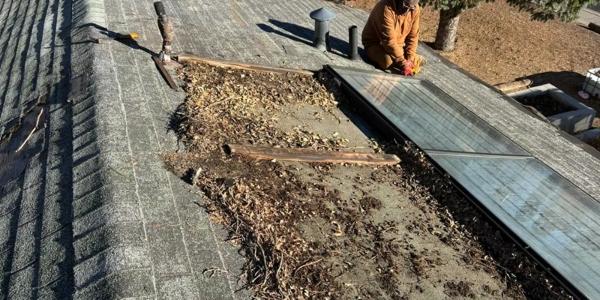
Protect your roof before it’s too late
Read More ...





Comments
Leave a Reply
Have an account? Login to leave a comment!
Sign In