



What owners should know before other trades go on the roof
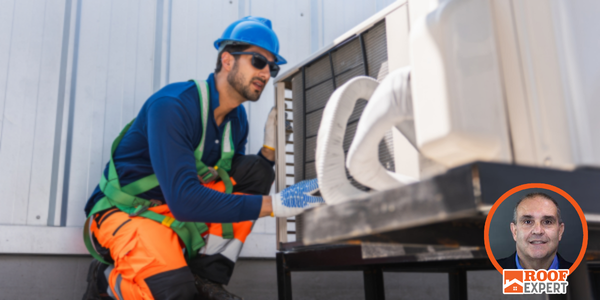
AAR Expert John Kenney says the best projects occur when the owner, roofing contractor and other trades work together rather than independently.
Most home and building owners understand the importance of hiring a qualified roofing contractor when roof work is needed. What many don't realize is that some of the most expensive roof damage I see isn't caused by roofers at all. It's caused by other trades working on the roof.
HVAC contractors, electricians, plumbers, satellite installers, solar companies, telecommunications technicians and maintenance personnel all regularly access roofs. While these professionals are experts in their own trades, they are not always trained in proper roofing practices. Unfortunately, a small mistake made during another project can lead to leaks, warranty issues and costly repairs months or even years later.
I've seen situations where a perfectly good roof was damaged simply because someone wasn't aware of how sensitive certain roofing systems can be. That's why owners should take a proactive approach anytime another trade needs roof access.
The first precaution is understanding who will be responsible for protecting the roof during the work. Before any project begins, ask contractors how they plan to access the roof and what measures they will take to prevent damage. Professional companies should have procedures for protecting roofing materials, controlling foot traffic and handling equipment safely.
Foot traffic alone can be a concern. Many roofing systems are designed to withstand normal weather exposure, but can be damaged by excessive traffic, dropped tools or equipment being dragged across the surface. Single-ply membranes, coatings and some specialty roofing systems can be particularly vulnerable if workers are not careful.
Roof penetrations are another common source of problems. Whenever a new pipe, conduit, support bracket or piece of equipment passes through the roof, waterproofing details become critical. Too often, another trade installs its equipment and leaves the roofing details as an afterthought. That's when leaks begin.
One of the best practices I recommend is requiring coordination between the trade performing the work and a qualified roofing contractor. If new penetrations are needed, the roofing contractor should either perform the flashing work or inspect and approve the final waterproofing details. This simple step can prevent many future problems.
Owners should also pay attention to warranty requirements. Many roofing manufacturers require specific procedures when modifying a roof. Unauthorized penetrations or repairs may affect warranty coverage. Before allowing work to proceed, it's worth reviewing warranty requirements and confirming that any modifications will not create issues later.
Equipment placement deserves consideration as well. HVAC units, solar systems and other rooftop equipment should be installed in locations that allow proper drainage and access for future roof maintenance. I've seen equipment placed directly over drains, blocking water flow and creating ponding issues that eventually damaged the roofing system.
Debris control is another often-overlooked issue. Metal shavings, fasteners, packaging materials and construction debris left behind on a roof can create problems long after the project is complete. Metal filings can rust and stain roof surfaces, while loose fasteners can damage roofing materials or clog drainage systems. A thorough cleanup should always be part of the scope of work.
Documentation is also important. Before another trade begins work, consider taking photographs of the roof's condition. Once the project is complete, perform a follow-up inspection or have a roofing professional review the work. This helps identify potential concerns early before they develop into larger issues.
Communication may be the most valuable precaution of all. The best projects occur when the owner, roofing contractor and other trades work together rather than independently. Clear expectations about roof protection, penetrations, warranty requirements and cleanup responsibilities reduce misunderstandings and help protect the investment you've already made in your roof.
Your roof is one of the most important systems protecting your home or building. While other trades may need access to perform their work, that access should be managed carefully. A little planning and coordination upfront can prevent leaks, preserve warranties and help ensure the roof continues performing as intended for years to come.
John Kenney is the CEO of Cotney Consulting Group. Read his full bio here.
Recommended For You
Your investment matters. Protect it
Read More ...
One common oversight homeowners make
Read More ...
The importance of hiring professionals
Read More ...



Comments
Leave a Reply
Have an account? Login to leave a comment!
Sign In