



Should you install a new roof over your old one?
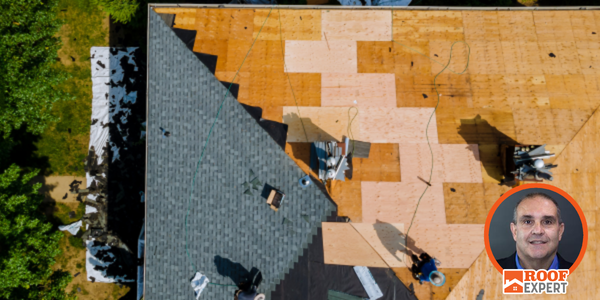
AAR Expert John Kenney explains why you must account for the condition of your roof before deciding what to put on top of it.
This is a question I get quite a bit, especially from homeowners trying to balance cost with long-term value. Installing a new roof over an existing one — often called a “roof-over” or “recover” — can be acceptable in certain situations. But it’s not something that should be done automatically just to save money. The condition of the existing roof and the structure underneath it will determine whether it’s a smart decision or a costly mistake down the road.
From a practical standpoint, a roof-over can make sense when the existing roof is still in relatively good condition. That means the decking underneath is sound, the insulation is dry and there are no widespread issues like rot, sagging or trapped moisture. If the current roof system is lying flat, securely attached and not heavily deteriorated, adding a new layer on top may be an option.
In those cases, a roof-over can reduce labor costs, eliminate tear-off and disposal expenses and speed up the installation process. For some homeowners, especially those managing tight budgets, that can be appealing. There’s also less disruption to the property during the project, which can be another advantage.
But this is where experience matters. Just because it can be done doesn’t mean it should be done.
One of the biggest concerns with installing over an existing roof is that you’re covering up what’s underneath. If there are soft spots in the decking, hidden moisture or areas where the roof has already started to fail, those problems don’t go away — they get buried. Over time, they can continue to worsen and eventually impact the new roof you just paid for.
Weight is another factor. Most residential building codes allow for no more than two layers of roofing. If the home already has multiple layers, adding another isn’t an option and a full tear-off is required. Even when you’re within that limit, the added weight should be considered, especially on older structures.
Ventilation also plays a role. If the attic ventilation isn’t performing properly, heat and moisture can build up beneath the roof system. Installing a new layer without addressing ventilation issues can shorten the life of the new shingles. This should always be evaluated before making a decision.
Another point to consider is the lifespan of the new roof. A roof installed over an existing layer typically doesn’t last as long as one installed on a clean deck. The reason is simple — you’re starting with a surface that may not be perfectly uniform, and heat can be retained between layers. Over time, that can accelerate wear.
From a resale perspective, some buyers and inspectors look closely at roof-overs. A full tear-off with new underlayment and visible decking condition tends to give more confidence than a layered system where the original condition is unknown.
So, when is a roof-over acceptable? It comes down to three main factors: the existing roof must be structurally sound, there must be no underlying moisture or deck issues and the total number of layers must comply with code. Even then, it should be a deliberate decision based on a clear understanding of the trade-offs.
My advice to homeowners and building owners is simple. Don’t make this decision based on price alone. Have a qualified contractor inspect the roof thoroughly, not just from the surface but, if possible, from the attic side as well. Ask questions about what they’re seeing and why they’re recommending one approach over another.
A roof is one of the most important systems protecting your home or building. Sometimes a roof-over is a practical, cost-effective solution. Other times, a full tear-off is the better long-term investment. The key is understanding the condition of what you have before deciding what to put on top of it.
John Kenney is the CEO of Cotney Consulting Group. Read his full bio here.
Recommended For You
Important considerations for installing a new roof over a current one
Read More ...
When can spray foam be used on your roof?
Read More ...





Comments
Leave a Reply
Have an account? Login to leave a comment!
Sign In