


Building a storm-resilient roof in 2026
By Guardian Roofing, Gutters & Insulation.
Guardian Roofing outlines how homeowners can prepare their roofing systems for increasingly severe weather across the United States.
Across the United States, homeowners are experiencing more frequent severe weather events that put added strain on residential roofing systems. From wind-driven rain and hailstorms to heavy snowfall and prolonged heat, today’s climate conditions demand more from a roof than ever before. What may begin as a minor vulnerability can quickly escalate into costly structural damage when extreme weather hits.
Guardian Roofing, Gutters & Insulation helps homeowners take a proactive approach to storm resilience with roofing systems designed for durability and long-term performance. As insurance standards tighten and weather patterns grow more unpredictable in 2026, simply installing shingles is no longer enough. A high-performing roof must function as a complete system engineered to resist wind uplift, manage water intrusion and protect against debris impact. This guide explores how homeowners can strengthen their properties with smart material selection, proper drainage and effective insulation strategies.
The “big three” threats: Wind, rain and debris
A relentless combination of high-velocity winds and saturated soil can create unique stresses on your roofing system. To build a resilient home, you must address these three specific challenges:
- High-velocity wind uplift: During winter windstorms, air pressure can get underneath loose shingles. This creates an uplift effect that can peel back large sections of your roof. In 2026, we focus on high-wind-rated shingles tested to withstand gusts up to 130 miles per hour.
- Hydrostatic pressure and wind-driven rain: Rain rarely falls straight down. Wind often pushes water horizontally. This forces moisture under shingles and into vents. A storm-resilient roof uses a high-quality synthetic underlayment and “ice and water” shields in valleys to prevent this moisture from reaching your plywood deck.
- The impact of heavy debris: During a storm, a falling limb can puncture a weakened roof. Additionally, accumulated needles trap moisture against your shingles. This leads to rot and premature failure.
Material selection: Comparing roofing options for 2026
The material you choose for your roof is your first line of defense. While traditional asphalt shingles remain a popular choice, many homeowners are moving toward more durable alternatives. These options offer better long-term ROI and storm resistance in our specific climate. The following materials are the most effective:
- Architectural shingles: These are a high-performance version of traditional asphalt. They offer high storm resilience and an expected lifespan of 20 to 30 years. They are cost-effective and specifically designed to be highly wind-resistant.
- Standing seam metal: This option provides superior resilience and can last 50 years or more. Metal is excellent for our region because it sheds debris and heavy rain much more easily than other materials.
- Composite shingles: These provide superior protection and a 50-year lifespan. They are designed to mimic the look of natural wood or slate while resisting the rot and moisture absorption that often plagues natural materials.
- Stone-coated steel: This material offers excellent resilience and a lifespan exceeding 50 years. It currently holds the highest wind and impact ratings available on the market.
In 2026, many insurance companies started offering premium discounts for homeowners who install Class 4 impact-rated materials. These products are specifically tested to withstand the impact of falling branches and heavy debris.
Beyond the impact rating, you should also consider moss resistance. In damp environments, moss can lift shingles and create gaps for wind-driven rain to enter. Selecting a material with copper or zinc granules can inhibit moss growth. This maintains the structural integrity of your roof during a storm.
The system approach: Why gutters and insulation matter
A storm-resilient roof does not stop at the shingles. The roof as a complete system that includes your gutter drainage and your attic insulation. If one of these components fails during a storm, the entire system is compromised.
The following components are essential for a storm-ready home:
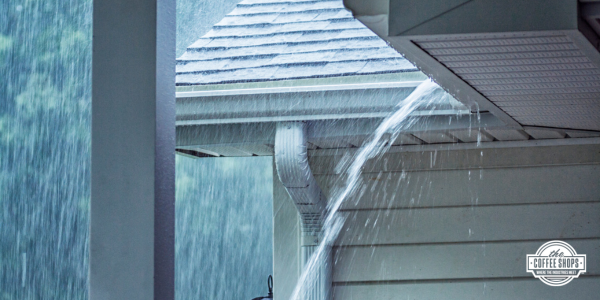
- High-capacity gutters: Atmospheric rivers can dump inches of rain in a single hour. Standard 5-inch gutters often overflow during these peak events. We recommend 6-inch seamless gutters for homes to handle the higher water volume and prevent overflow that can damage your siding and foundation.
- Effective gutter guards: For homes surrounded by evergreen trees, gutter guards are a necessity. They prevent pine needles and leaves from forming clogs that cause water to back up under your roofline. Keeping the water moving is the best way to prevent rot along your fascia and eaves.
- Attic insulation as a thermal barrier: Proper insulation does more than keep you warm. It keeps the heat inside your living space and prevents it from warming the roof deck. In the event of a cold snap, this prevents snow from melting and refreezing into dangerous ice dams at your roof’s edge.
- Moisture control and ventilation: In damp climates, warm and moist air from your home can rise into the attic and condense on the underside of a cold roof. This leads to mold and wood rot. A combination of modern insulation and balanced ventilation ensures your attic stays dry, protecting the structural integrity of the roof deck.
- Structural stability: Proper insulation helps maintain a consistent temperature in the roof deck. This reduces the constant expansion and contraction of materials during our frequent temperature shifts. This stability prevents shingles from loosening and keeps your gutter hangers securely fastened to the home.
Preparing for the next big storm
Storm resilience is a proactive journey rather than a one-time task. In many areas, the question is not if a major storm will hit, but when. By choosing the right materials, maintaining your gutters and ensuring your attic is properly insulated, you can significantly reduce the risk of storm damage to your home.
In 2026, homeowners are increasingly shifting away from reactive repairs toward long-term system integrity. Investing in durability today means your home is prepared for the next atmospheric river or high-wind event.
Original article source: Guardian Roofing
Have a question? AskARoofer.
Find your local roofing contractor in the AskARoofer™ Contractor Directory.
Recommended For You
Century-old Downtown Denver Castle Wins Excellence Award
Read More ...
Shingles or Tile or Metal, oh my! Finding the Right Roofing Material
Read More ...
Signature Cut Shingles With an Impactful Design
Read More ...





Comments
Leave a Reply
Have an account? Login to leave a comment!
Sign In