



Your breathing roof: Why attic ventilation matters
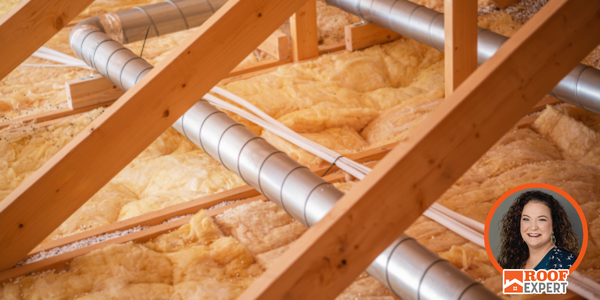
AAR Expert Wendy Marvin explains why your home's exterior system and the interior system are inseparable partners.
Most homeowners focus on what they see: shingles, gutters, the curb appeal. But some of the most important work in your home is happening above your head, invisibly tucked inside your attic. It affects your energy bills, your roof’s lifespan and even the very air you breathe. Let’s look at this important system.
Your roof needs to breathe
A well-designed attic ventilation system does one thing, it moves air. Fresh air enters through intake vents typically along your eaves, circulates through the attic space and exhausts near the ridgeline. Simple yet surprisingly easy to get wrong. When it works well you barely notice it. When it doesn’t consequences stack up fast.
Too little ventilation – A silent destroyer
An under-ventilated attic traps heat and moisture. In summer, attic temps can soar past 150 degrees Fahrenheit, accelerating the breakdown of your shingles from the inside out. This intense heat causes that premium roof you invested in to age prematurely, sometimes years ahead of schedule.
Trapped moisture is equally unforgiving. Without proper airflow, condensation builds up on the underside of your roof (sheathing) creating conditions ripe for mildew and even mold. What starts as a ventilation issue can escalate over the years into structural issues when wood decays.
Too much ventilation – Also a problem
Aggressive ventilation feels like a logical fix. However, over-exhausting your attic can pull conditioned air from your living spaces. Your HVAC system works harder, your energy savings evaporate and the comfort you’re paying for flows right out through the roof.
The hidden culprits
Here are two common issues we see frequently that throw attic ventilation off balance and neither is obvious.
Insulation or animal nests blocking eave vents. Insulation is essential for keeping heated and cooled air inside your living spaces. But when it shifts, is moved or settles and covers intake vents, airflow is disrupted and heat or moisture build. The fix? Finding and removing blockages to allow airflow intake.
Disconnected interior exhaust fans. Bathroom and kitchen fans are designed to push moist air out of your home. When ducting becomes disconnected from its roof vent, that humid air dumps directly into your attic instead. This is one of the easily fixed, reasonably priced and yet most overlooked sources of attic moisture damage. Reconnect the vents to their exhaust using heat/moisture sensitive tape to prevent further issues.
Roofing pros - What a good roofing professional actually does
A truly skilled roofer doesn’t just deal with your shingles; they look inside your attic too. They understand that the exterior system and the interior system are inseparable partners. A watertight roof over a poorly ventilated attic is a growing problem with large consequences.
When a professional walks your roof, and inspects your attic, they’re evaluating your home’s system and ensuring it works best for you. Even if your shingles are new – having an inspection to know that your home is working as it should, breathing, exhausting and removing damaging extremes – is worth the peace of mind. Information is available online, but ventilation calculations are technical and confusing – that’s why finding a trusted pro who can evaluate and fix any small issues, is worth every penny.
Wendy Marvin is the CEO of Matrix Roofing. See her full bio here.
Recommended For You
Reduce the burden on your AC unit with proper ventilation
Read More ...
Why roof ventilation matters for your home
Read More ...



Comments
Leave a Reply
Have an account? Login to leave a comment!
Sign In