



Why roof ventilation matters for your home
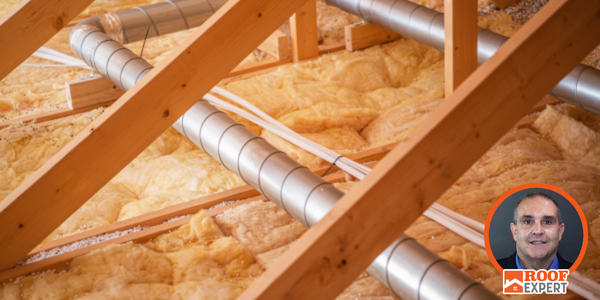
AAR Expert John Kenney says that ventilation is not just an accessory to the roof — it is a critical part of the system.
When homeowners think about roof performance, they usually focus on the shingles they can see from the ground. But one of the most important parts of a roofing system is something most people never notice: attic ventilation. The way air moves through the attic plays a major role in attic temperature, HVAC efficiency and how long a shingle roof will last.
I’ve spent decades working around roofing systems, and one thing I can tell you with certainty is that poor ventilation can shorten the life of an otherwise good roof. On the other hand, a properly designed ventilation system helps the entire building perform better.
To understand why, it helps to consider what happens in an attic during warm weather. As the sun heats the roof surface, that heat transfers into the attic space. Without a way for hot air to escape, temperatures inside the attic can climb dramatically — often reaching well over 120 degrees in some climates. That trapped heat doesn’t just sit there. It pushes downward into the living space, forcing the air conditioning system to work harder to keep the home comfortable.
When ventilation is designed properly, cooler air enters the attic near the lower portion of the roof — typically through soffit vents — and warmer air exits near the top through ridge vents or other exhaust openings. This natural airflow allows heat to escape before it builds up excessively. The result is a cooler attic and less strain on the home’s HVAC system.
That reduction in heat buildup can make a noticeable difference in energy efficiency. When attic temperatures are controlled, the air conditioning system doesn’t have to run as long or as often to maintain indoor comfort. Over time, that can translate into lower energy bills and less wear on HVAC equipment.
Ventilation also plays an important role in moisture control. Everyday household activities such as cooking, showering and laundry produce moisture that rises through the home. Some of that moisture can enter the attic space. If it becomes trapped, it can lead to condensation, wood deterioration, mold growth and insulation damage. Proper ventilation allows that moisture to escape, helping keep the attic dry and stable.
For asphalt shingle roofs, temperature control is especially important. Shingles are designed to withstand years of weather exposure, but excessive heat from below can accelerate their aging. When attic temperatures remain high for extended periods, shingles may lose flexibility faster and the roofing system may experience premature wear. Over time, that can reduce the overall lifespan of the roof.
Ventilation design typically relies on a balanced system that includes both intake and exhaust airflow. Intake vents, usually located along the soffits or eaves of the roof, allow cooler outside air to enter the attic. Exhaust vents, often installed along the roof ridge or near the upper portion of the roof slope, allow warmer air to escape. When the system is balanced properly, air moves continuously through the attic space.
Problems occur when that balance is missing. Homes with only exhaust vents and limited intake ventilation often struggle to move air effectively. In other cases, insulation or debris may block soffit vents, preventing air from entering the attic. When airflow is restricted, heat and moisture begin to accumulate.
Homeowners who are replacing a roof or planning major repairs should take the opportunity to have the ventilation system evaluated at the same time. A qualified roofing contractor can determine whether the attic has sufficient intake and exhaust ventilation and recommend improvements if needed. In many cases, ventilation upgrades can be incorporated during a roof replacement project with minimal disruption.
The important thing to remember is that ventilation is not just an accessory to the roof — it is a critical part of the system. When airflow is designed correctly, it helps regulate attic temperatures, supports HVAC efficiency and protects the long-term durability of the shingles above.
For homeowners and building owners alike, a well-ventilated attic is one of the simplest ways to help a roof perform as intended for years to come.
John Kenney is the CEO of Cotney Consulting Group. Read his full bio here.
Recommended For You
Reduce the burden on your AC unit with proper ventilation
Read More ...
Your breathing roof: Why attic ventilation matters
Read More ...





Comments
Leave a Reply
Have an account? Login to leave a comment!
Sign In