


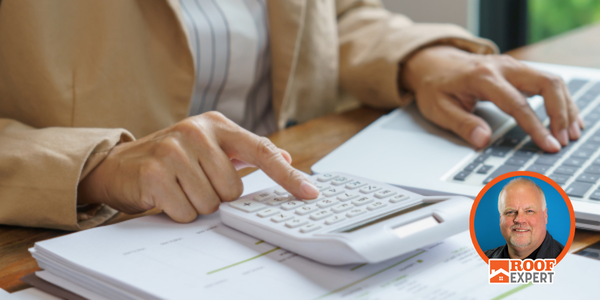
What impacts roofing prices and how to plan ahead

AAR Expert John Kenney says the cost of a roofing project isn’t just about the number on a proposal; it’s about the value, reliability and peace of mind it provides.
Replacing or repairing a roof is one of the most significant investments a property owner makes. Whether managing a commercial facility or maintaining your home, understanding what drives roofing costs helps you plan realistically and avoid unpleasant surprises once the work begins.
Several factors determine the final price of a roofing project. Materials are the most visible ones. Asphalt shingles remain the most affordable option, while metal, tile and slate fall higher on the scale due to the materials themselves and the labor skill required to install them. Even within a single category, wide price ranges depend on brand, performance rating and finish. Premium materials often carry more extended warranties and greater durability, but that longevity comes at a higher upfront cost.
The size and complexity of your roof also play a significant role. A simple gable roof with easy access costs less per square foot than a steep, multi-level design with valleys, dormers and skylights. Complex geometry increases both labor time and material waste. Likewise, roofs with limited access, tight lot lines, heavy landscaping or height restrictions require additional safety measures and specialized equipment, which can drive costs up.
Labor is another key factor; cutting corners can cost you more in the long run. Roofing is skilled work, and the best contractors employ trained crews who understand proper installation techniques, safety compliance and manufacturer specifications. Markets with labor shortages or strong demand often see labor rates rise sharply, especially after major storms. Choosing a contractor based on price alone may lead to poor workmanship, voided warranties and costly repairs later.
Tear-off and disposal costs are often overlooked but can add significantly to the total. Removing an old roof takes time, equipment and dump fees. Heavier materials like tile or multiple layers of shingles increase disposal costs. Some municipalities have asphalt shingles or metal recycling requirements, which can influence pricing depending on local regulations.
Another often misunderstood driver is the condition of what’s beneath the surface. Roof decks, insulation and underlayments affect cost once the project starts. If rot, corrosion or saturated insulation is discovered after removal, repairs or replacement are necessary before new materials can be installed. That’s why a thorough inspection before quoting is crucial; it helps minimize surprises and ensures your estimate reflects the scope of work.
Geographic location also impacts pricing. Depending on availability and shipping, material costs vary by region, while climate influences the system design. For example, Florida contractors must follow strict wind uplift and hurricane-resistant standards, which can add reinforcement and fastener costs. In northern states, cold-weather installation and snow load considerations can affect material selection and installation scheduling.
Building owners should also account for project timing. Roofing work during peak summer or post-storm recovery periods tends to cost more due to high demand and limited labor. Scheduling during off-peak seasons can sometimes lower costs and improve availability, especially for commercial projects.
Budgeting for a roof replacement or major repair starts with getting a detailed, written estimate from a reputable contractor. That estimate should break down material types, labor, tear-off, accessories and any contingencies for underlying damage. Ask questions about manufacturer and workmanship warranties and understand what’s included. Some owners set aside 10 to 15 percent of their total budget as a contingency for unforeseen conditions uncovered during the job.
Maintenance also plays a role in budgeting over the long term. A well-maintained roof lasts longer and costs less per year of service. Annual inspections, cleaning debris and addressing minor issues early can postpone major expenses. Think of your roof as an asset rather than a cost, one that protects every other investment beneath it.
In the end, the cost of a roofing project isn’t just about the number on a proposal. It’s about the value, reliability and peace of mind it provides. When you understand the factors behind the price and plan accordingly, you’re not just buying a roof, you’re securing the integrity of your entire property for years to come.
John Kenney is the CEO of Cotney Consulting Group. Read his full bio here.
Recommended For You
Save money through proactive roof care
Read More ...
What factors impact roofing costs and how can homeowners plan for replacement?
Read More ...




Comments
Leave a Reply
Have an account? Login to leave a comment!
Sign In