



Springtime roof checkup
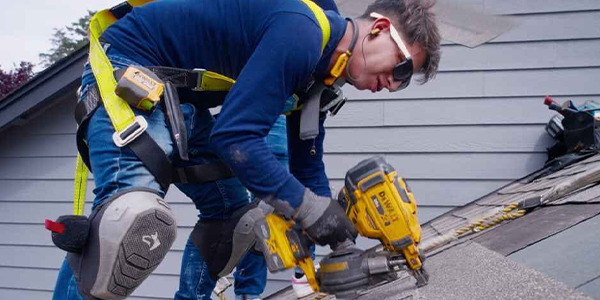
By The Coffee Shops™.
A spring inspection can help homeowners spot winter roof damage before it turns into a costly repair.
Winter can leave behind more roof damage than many homeowners realize. Things like rain, wind, snow, ice, debris, moss growth and prolonged moisture can all take a toll. In a detailed guide, Guardian Roofing and Gutters shares how homeowners can check on their roof safely each spring to catch minor issues before they lead to leaks or larger repairs.
When people hear “roof inspection,” they often think of someone climbing on the roof. And while this is something professionals do, it is always safer for homeowners to keep their feet on the ground. And just because you’re not climbing anything doesn’t mean you can’t inspect your roof. Homeowners can begin from the ground by looking for missing, cracked or curling shingles, dark streaks, moss, algae, debris in roof valleys or sagging rooflines. In damp climates, these warning signs can point to water-related wear that may continue to worsen without attention.
Gutters and downspouts deserve the same careful review. After winter, they can collect leaves, pine needles, dirt and shingle granules. When drainage systems are clogged, loose or sagging, water can back up beneath roofing materials and increase the risk of rot, leaks and hidden structural damage. Storm debris and overhanging trees can also contribute to roof damage. Trim branches to help limit debris buildup, reduce shade that encourages moss and lower the risk of branch impact during summer storms.
Inside the home, attic spaces, ceilings and upper walls can reveal problems that are not visible from the exterior. Water stains, damp insulation, musty odors, mold, mildew or peeling paint near the ceiling line may indicate a leak that developed during winter storms.
Flashing is another important area to inspect. These metal or sealed transition points help keep water out around chimneys, vents, skylights, roof-to-wall transitions, valleys and other vulnerable areas. Cracked sealant, lifted metal or visible gaps should be evaluated. If you can’t see it with the naked eye, sometimes binoculars can be a useful tool for examining these elements without getting up close on top of the roof.
Overall, checking for these issues is a great way to know if you need to call a professional. Once you’ve made that call, a professional will be able to get on the roof to look more closely than you could at problem areas, assess the roof’s overall condition and determine whether maintenance, repairs or replacement may be needed.
Learn more about spring roof inspections and how to protect your home after winter weather.
Original image source: Guardian Roofing and Gutters
Have a question? AskARoofer.
Find your local roofing contractor in the AskARoofer™ Contractor Directory.
Recommended For You
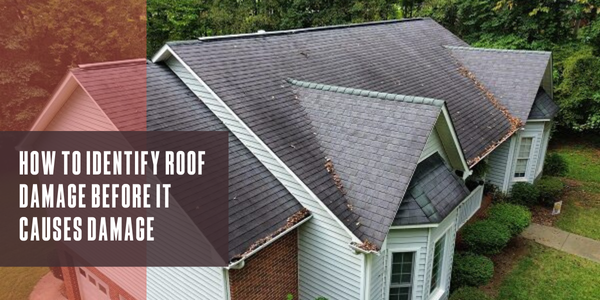
How to identify roof damage before it causes harm
Read More ...
Fall Protection for Roofing Workers
Read More ...
Understanding roof insurance claims after storm damage
Read More ...




Comments
Leave a Reply
Have an account? Login to leave a comment!
Sign In