



Q&A – Rain, rain, go away!
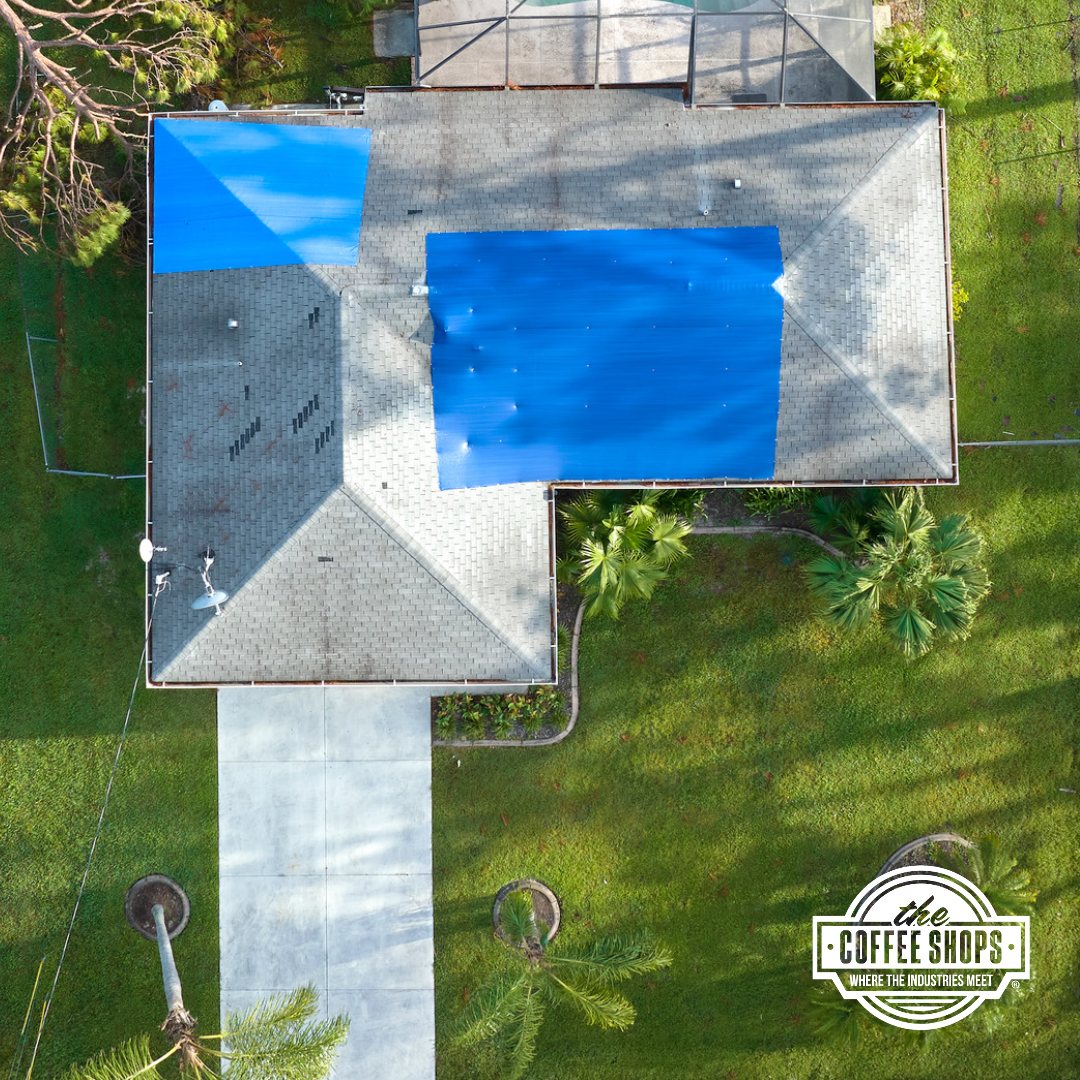
When a storm came through mid-project, this homeowner reached out for some advice.
A homeowner in Wisconsin, Rebecca, recently reached out to the AskARoofer experts for some advice. This was their message:
A roofer put ice/water barrier, underlayment and a tarp on the roof yesterday. We had heavy winds and rains overnight and the tarp came off. What are next steps? Roofer wants to shingle this morning. Still raining a bit.
Below is what one of our roofing experts, John Kenney from Cotney Consulting Group, had to say in response to Rebecca's question:
I would not rush into shingling just because the tarp came off. The first step is to inspect the entire dry-in before anything gets covered. The roofer should check the ice-and-water barrier and underlayment for tears, lifted edges, wrinkles, loss of adhesion or areas where wind-driven rain may have gotten underneath. They should also verify whether the roof deck became wet.
If the underlayment is intact and the deck is dry, the project may be able to proceed once conditions are suitable. If water got beneath the underlayment, the deck should be allowed to dry and any damaged materials should be repaired or replaced before shingles are installed. The concern is trapping moisture within the roof assembly.
I would also be cautious about installing shingles while it is still actively raining or while the roof surface is wet. In addition to workmanship concerns, wet roofing surfaces create a serious safety issue for the crew.
My recommendation is to have the roofer inspect and document the condition of the roof this morning, repair any damage to the dry-in, and wait for an appropriate weather window if necessary. I would also want the installation to follow the underlayment and shingle manufacturers’ requirements for acceptable installation conditions.
The tarp coming off does not automatically mean the roof has been compromised, but it does mean the dry-in should be checked carefully before the new roof is covered.
Have a question? AskARoofer.
Find your local roofing contractor in the AskARoofer™ Contractor Directory.
Recommended For You

Q&A - Is it Normal for Warm Air to Come From Soffit Vents?
Read More ...
Q & A - Ridge Caps Blowing Off, What Can I Do?
Read More ...
Q & A - Fascia Boards, How Do I bend Them?
Read More ...





Comments
Leave a Reply
Have an account? Login to leave a comment!
Sign In