



Debunking common myths about solar energy
By Jesse Sanchez.
Understanding the realities of solar power can help homeowners make informed decisions about energy costs, reliability and roof compatibility.
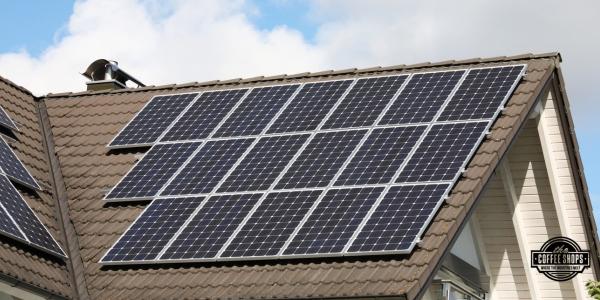
Solar energy is becoming a more visible part of residential construction and roofing discussions across the United States. As homeowners explore ways to lower energy costs and improve long-term efficiency, rooftop solar systems are often part of the conversation. Roofing and solar providers such as KPost Roofing & Waterproofing say that as interest in solar grows, many homeowners are also seeking clearer information about how these systems work and how they integrate with existing roofs. Yet despite expanding adoption, misconceptions about solar performance and roof compatibility continue to create uncertainty for many homeowners.
One of the most common misconceptions is that solar energy is still prohibitively expensive. While early systems required significant upfront investment, the economics of solar have changed dramatically over the past decade. The average cost of residential solar installations has fallen significantly, and federal tax credits, local rebates and utility incentives can help offset installation expenses. For many households, the reduction in monthly electricity bills gradually recovers those initial costs over time.
Another widespread belief is that solar panels completely eliminate electricity bills. In practice, most homes with solar remain connected to the local utility grid. That connection ensures consistent power when solar production drops temporarily, such as during nighttime hours or periods of heavy cloud cover. While solar systems can significantly reduce monthly energy costs, small service or connection fees from the utility provider typically remain.
Weather is another area where misconceptions often arise. Solar panels generate electricity from sunlight rather than heat, allowing them to continue producing power even during colder temperatures or cloudy conditions. Although production may decrease during overcast weather, panels still capture diffused sunlight and contribute to household energy needs throughout the year.
Concerns about roof damage are also common. When installed by qualified professionals, solar systems are designed to integrate safely with roofing materials without compromising the roof’s integrity. In some cases, the panels may even help shield portions of the roof from direct sunlight and weather exposure.
Maintenance requirements are also relatively minimal. Most modern systems require only occasional cleaning and periodic inspections to maintain performance. With many panels designed to last 25 years or more, solar technology is built to provide long-term energy production with limited upkeep.
As solar adoption continues to expand, separating myths from practical realities helps homeowners make more informed decisions about whether solar energy fits their financial goals, environmental priorities and roofing plans.
Have a question? AskARoofer.
Find your local roofing contractor in the AskARoofer™ Contractor Directory.
Recommended For You
Solar and battery storage offer added resilience
Read More ...
Keeping your solar set up in tip-top shape
Read More ...
LG Electronics Tops U.S. Solar Installer Survey as Most Requested Brand of Solar Panels
Read More ...


Comments
Leave a Reply
Have an account? Login to leave a comment!
Sign In