


Bulge Where Addition Meets Existing Roof
« Back To AskARoofer
alextolle
Jason, a homeowner in Texas, asked:
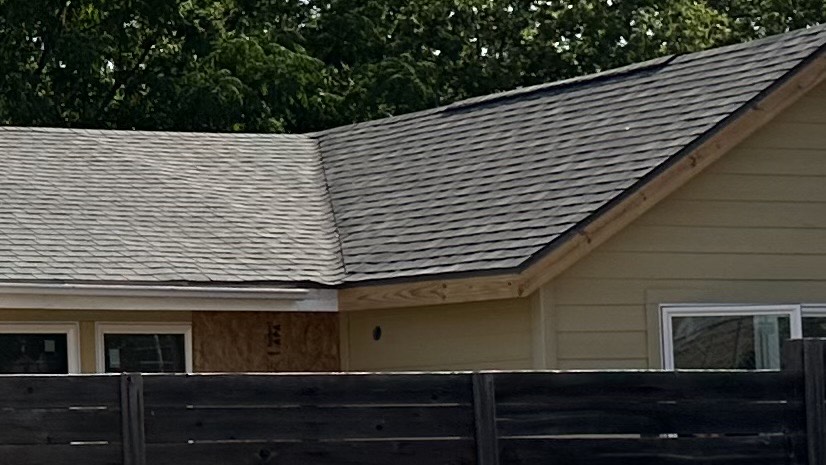
I am in the middle of a remodel and addition. We are basically adding a rectangular building to the back of the existing house to form a "T" shape. The shingles were just installed on the addition and tied into the existing shingles. There is a bulge at the seam where the new shingles meet the old shingles. The roofer is telling us that this is standard. Is that true?
alextolle
Hello Jason. Thanks for reaching out to us. It’s always tough when you’re tying a new roof into an existing roof. The bulge could be they didn’t remove the existing shingles and laid the new shingles on top of it and tied in. It could be the new shingles are thinner than the old shingles and it doesn’t lay smooth or they come together. Do you have any pictures?
alextolle
alextolle
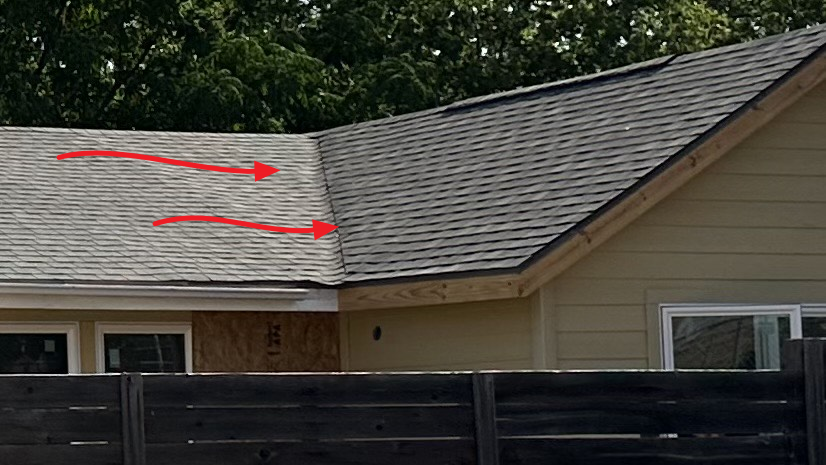
From the pictures I don't see anything I wouldn't expect to see in a closed valley installation. The shingles at the lower arrow is not going to be as smooth as the main field because the shingles forming the valley terminate under the shingles to the right of the valley. The shingles at the upper arrow is where they had to tie in the new shingles to the old shingles. That area can be rough because they have to lift up the old shingles and get underlayment underneath to tie in the new addition to the old addition. That can bend the old shingles and creating a rough look. It's difficult tying a new roof into an old roof and having the old roof transition smoothly to the new section.
alextolle
alextolle
Brad from Beldon Roofing Company says:
Yes, it seems to be accurate. When opting for a closed valley installation, you'll have multiple courses on one side. If the customer has any significant concerns, they can consider hiring a home inspector to ensure the installation is done correctly. I hope this information is helpful.

riskar56345
It is not unusual to see a slight bulge when new shingles meet existing onees mainly due to differences in age and wear. In most cases this is considered standard and with time it tends to become less noticeable as the new shingles settle and weather. However if the bulge is significant or persistent it might be wise to consult another roofer repair to ensure proper installation and assess if any adjustments are needed.