



You can't storm-proof a roof, but you can prepare it
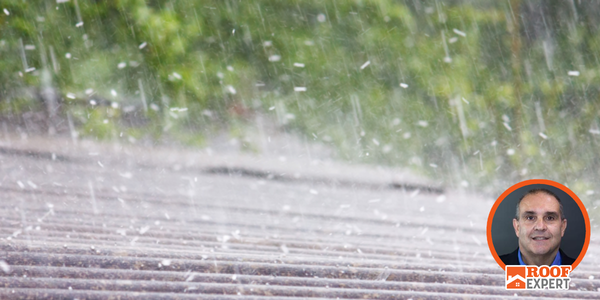
Storm preparation starts when the forecast is clear.
Home and building owners often ask what they can do to protect a roof before severe weather arrives. After more than four decades in roofing, my answer usually begins with an important distinction: you cannot make a roof storm-proof. What you can do is make sure the roof is in the best possible condition to handle the weather it was designed to withstand.
That preparation matters because severe weather often exposes weaknesses that were already developing. A loose piece of flashing may survive normal conditions for years until high winds finally lift it. A small opening around a penetration may not leak during an ordinary rain but can become a problem during wind-driven rain. A drainage issue that seems minor in normal weather can become much more serious during a major storm. Storm preparation starts by finding those weaknesses before the weather does.
A professional roof inspection is one of the best places to begin. A roofing contractor should evaluate the overall condition of the roof covering along with flashings, edges, penetrations, drainage components and other areas where problems commonly develop.
Wind deserves particular attention because the roof's perimeter and corners experience some of the greatest pressures during severe weather. Loose materials, deteriorated edge conditions and poorly secured components can become vulnerable when wind gets underneath them.
Homeowners should also look around the property. Tree limbs extending over the roof can become impact hazards, while loose outdoor furniture and other objects may become airborne during a storm. Protecting the roof sometimes begins on the ground.
Hail presents a different challenge. There is very little an owner can do once hail begins falling, which makes the condition and selection of the roofing system especially important. After a significant hail event, don't assume the roof is fine simply because there isn't a leak. Some damage is difficult to recognize without knowing what to look for, and different roofing materials respond to impact differently.
Heat is another form of severe weather that receives less attention. Roofing materials are exposed to tremendous temperature changes throughout their service life. Proper ventilation, insulation and drainage can all influence how the overall roof assembly performs. On low-slope commercial roofs, repeated thermal movement can place stress on seams, flashings and penetrations. On residential roofs, attic ventilation and insulation should work together with the roofing system rather than against it.
Cold climates bring their own concerns. Snow accumulation adds weight to the roof, while freeze-thaw cycles and ice formation can expose drainage and flashing problems. Owners in snow-prone regions should make sure gutters, drains and other drainage paths are functioning properly before winter arrives. Removing heavy snow may occasionally become necessary, but roof access during winter conditions can be dangerous and should generally be handled by qualified professionals.
The important point is that storm preparation should reflect the building's location. A roof in Florida faces different conditions than one in Colorado, Minnesota or Texas. Coastal buildings may need greater attention to wind exposure and corrosion. Hail-prone regions place greater emphasis on impact resistance. Northern climates must account for snow and ice. Hot climates create additional concerns around heat exposure and thermal movement. There isn't one storm-preparation checklist that fits every roof.
There is another precaution I encourage owners to take that has nothing to do with physically preparing the roof: document its condition before the storm. Take clear photographs and keep records of professional inspections, maintenance and repairs. Save roofing contracts, warranties and information identifying the roofing materials installed on the building. If severe weather causes damage later, having a record of the roof's condition before the event can be extremely valuable when discussing the loss with your roofing contractor and insurance provider.
After a storm, begin with safety. Don't climb onto a wet, damaged, or unstable roof to investigate. Look from the ground for displaced materials, damaged metal, fallen limbs, or other obvious changes. Inside the building, check for water staining or active leaks. If you suspect damage, contact a qualified roofing professional for an inspection.
Document what you see before temporary repairs are performed whenever it is safe to do so. Photographs, inspection findings, repair invoices and communication with your contractor should all be retained. Insurance policies and claim requirements vary, so owners should also contact their insurance professional to understand the applicable coverage and reporting requirements.
One thing I've learned throughout my career is that severe weather rarely gives you time to start preparing once it arrives. The roof either entered the storm in good condition or it didn't. Regular inspections, preventive maintenance, good drainage, attention to vulnerable details and proper documentation will not guarantee that a roof will survive every weather event without damage. No responsible roofing professional should make that promise. Those steps give your roof the best opportunity to perform as intended.
You can't control the storm. But you can control how well prepared your roof is when the storm arrives.
Recommended For You
Know your roof before the next wind and rainstorm arrives
Read More ...
Before and after the storm: Your monsoon roof checklist
Read More ...
Preparedness is the key to surviving severe weather
Read More ...





Comments
Leave a Reply
Have an account? Login to leave a comment!
Sign In