



Wildfire resistance is more than choosing a roofing material
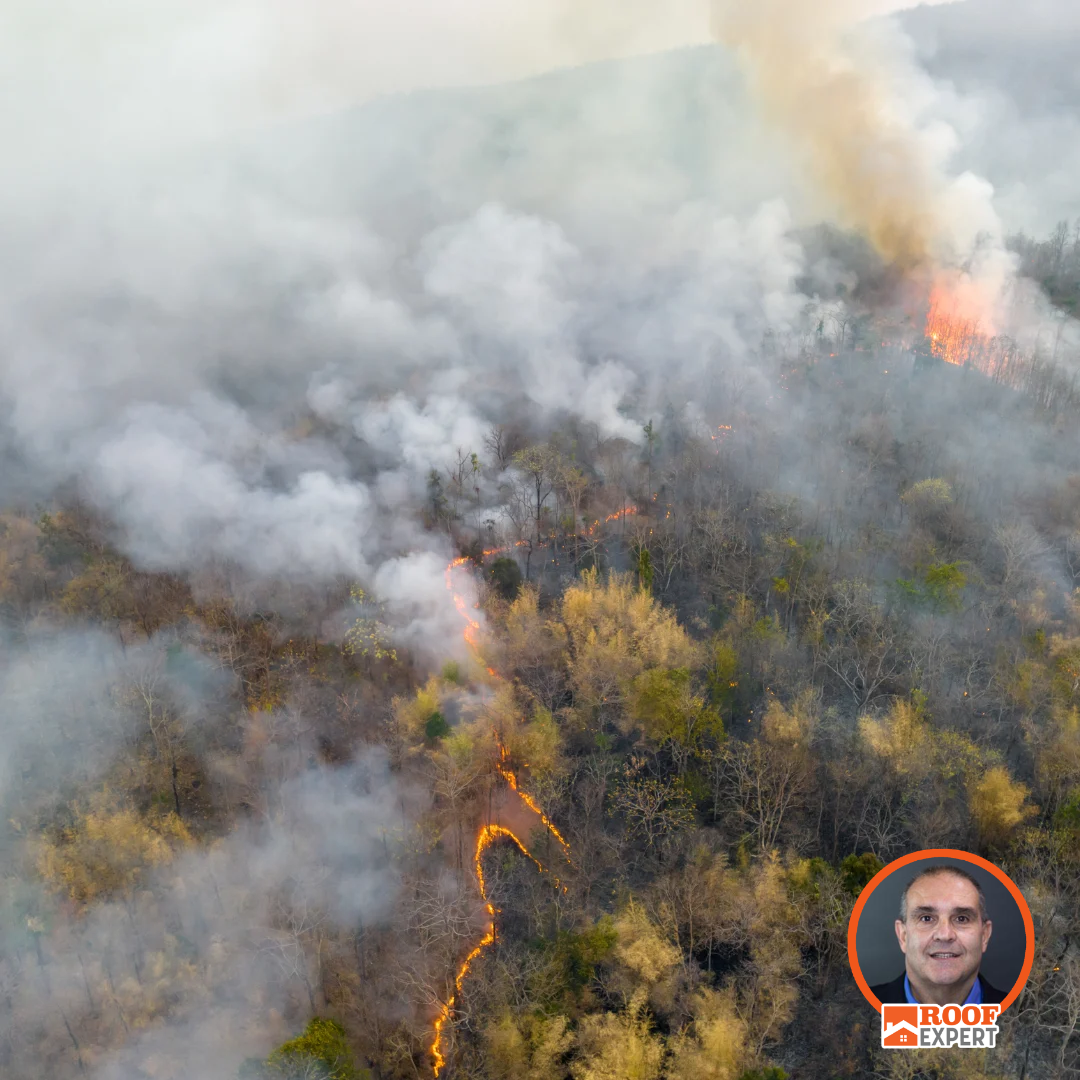
AAR Expert John Kenney unpacks all the factors that make a difference.
When homeowners think about wildfire protection and roofing, the first question is usually which roofing material to install. That is an important question, but it is only part of the answer.
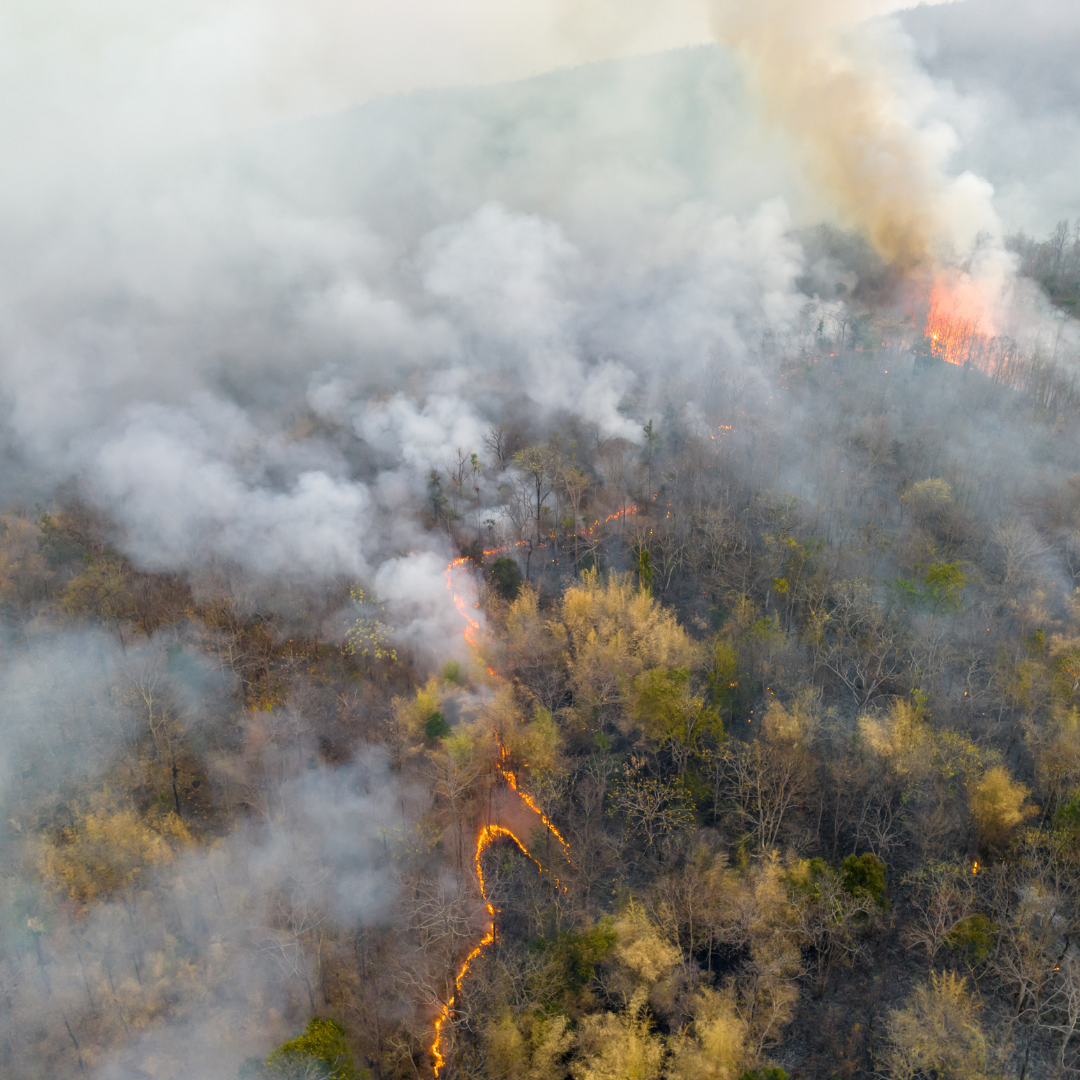
A roof performs as an assembly. The roof covering, underlayment, deck, edges, flashing, penetrations, vents, gutters and installation details all play a part. In wildfire-prone areas, those details can become especially important because wind-driven embers can travel ahead of the main fire and find openings or combustible material around a home. FEMA identifies vents as one path through which embers and hot gases can enter a structure. That is why homeowners should not think of any roofing material as "fireproof."
Roof systems can receive Class A, B or C fire classifications under recognized testing standards. Still, the requirement for a particular home depends on the code adopted by the local jurisdiction and, in some areas, additional wildfire-related requirements. Homeowners should verify those requirements before selecting a replacement roof. California provides a useful example. CAL FIRE currently states that California requires Class A-rated roof coverings and assemblies. Its homeowner guidance also identifies gaps in roof assemblies, accumulated debris, gutters and vents as areas that can increase vulnerability to embers and flame.
The practical lesson is simple: do not select a roof based only on the name of the material.
Two roofs using similar visible materials can perform differently depending on the complete assembly and how it is installed. The roof covering matters, but so do the components underneath it and the details around openings, transitions and edges. Installation matters for another reason. Embers do not have to burn directly through the middle of a roof to create a problem. They can enter through openings or collect where combustible debris has accumulated.
Vents deserve particular attention. FEMA guidance notes that embers and hot gases can be blown or pulled into vent openings, potentially reaching attics, crawlspaces and ductwork. CAL FIRE also recommends ember-resistant vent protection and advises homeowners to consult local building officials because changes to vent openings can affect required ventilation.
Gutters are another common concern. Leaves, pine needles and other debris can accumulate there and be ignited by flying embers. FEMA recommends keeping combustible debris out of gutters and using noncombustible components where appropriate. That means maintenance remains part of wildfire preparation even after a fire-rated roof has been installed. Keep roof surfaces, gutters and areas around attachments clear of combustible debris and don't ignore damaged flashing, openings or deteriorated components. CAL FIRE specifically recommends keeping roofs and areas around roof attachments free of debris.
Homeowners also need to understand the difference between meeting minimum code and deciding what level of protection makes sense for their property. Requirements can vary by state, county, municipality and wildfire hazard designation. Insurance requirements may differ from local building-code requirements as well. Start with the local building department, then consult a qualified roofing contractor who understands the applicable requirements.
Before replacing a roof in a wildfire-prone area, homeowners should ask what code applies to the property, what fire classification is required and whether the proposed roof assembly meets that requirement. They should also ask how vents, edges, penetrations, valleys, gutters and other vulnerable details will be handled. Cost naturally becomes part of the decision. Wildfire-related requirements can affect material selection, ventilation components, detailing and labor. No single price applies because existing conditions, roof design and local requirements vary.
The better approach is to understand what the property requires before comparing roofing proposals.
Wildfire resistance is a system, not simply a roofing material choice.
A properly selected roof covering is important. The complete assembly, installation details, ember-entry protection and ongoing maintenance determine how well that roofing strategy addresses wildfire exposure.
Recommended For You



Comments
Leave a Reply
Have an account? Login to leave a comment!
Sign In