


Why proactive roof inspections protect long-term property value
By Jesse Sanchez.
A closer look at how preventative maintenance helps property managers reduce costs, avoid disruptions and extend roof lifespan.
For many property owners, roof maintenance remains easy to defer, until a failure forces immediate action. Companies like ROOFCORP of America emphasize that by that point, what could have been addressed through routine care often escalates into higher costs, operational disruptions and avoidable damage. Consistent inspection strategies offer a way to interrupt that cycle before it begins.
The challenge lies in how roofing systems fail. Unlike interior systems that demand attention when they break, roofs deteriorate gradually and often without visible warning. Small vulnerabilities such as a cracked seam, a clogged drain or a compromised flashing detail can develop quietly over time. Without regular evaluation, those minor issues can expand into leaks, structural damage and emergency repairs that carry significantly higher costs.
That escalation does not occur in isolation. Water intrusion can compromise insulation, corrode structural components and interrupt tenant operations, particularly in commercial environments where downtime directly affects revenue. In competitive markets, even a single disruption can weaken tenant confidence and place long-term relationships at risk.
Environmental conditions further intensify the stakes. In regions exposed to persistent sun, moisture or coastal air, roofing systems face continuous stress from ultraviolet radiation, temperature swings and corrosion. These forces accelerate material degradation, shortening the window between early-stage wear and visible failure. Routine inspections provide the visibility needed to identify those patterns before they translate into costly outcomes.
In response, many property managers are reframing how roof maintenance fits into broader asset strategy. Rather than treating repairs as isolated expenses, inspections establish a consistent flow of data; documenting membrane condition, drainage performance and structural integrity. That information supports more predictable budgeting, allowing maintenance to be planned instead of forced by emergency.
The benefits extend beyond cost control. Well-maintained roofing systems contribute to energy performance by improving reflectivity and reducing strain on HVAC systems. They also support compliance by creating a documented record of care, which can help mitigate liability during insurance claims or tenant disputes.
As expectations around building performance continue to rise, the role of preventative maintenance is becoming more defined. Roof inspections are no longer viewed as discretionary tasks, but as a core component of long-term property management, one that protects both the physical asset and the stability of the operations beneath it.
Have a question? AskARoofer.
Find your local roofing contractor in the AskARoofer™ Contractor Directory.
About the author

Jesse is a writer for The Coffee Shops. When he is not writing and learning about the roofing industry, he can be found powerlifting, playing saxophone or reading a good book.
Recommended For You
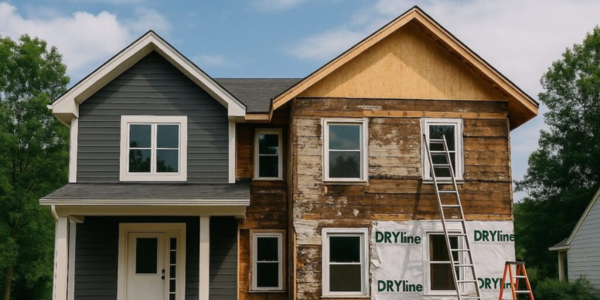
Calculating the cost: A closer look at the price of renovation projects
Read More ...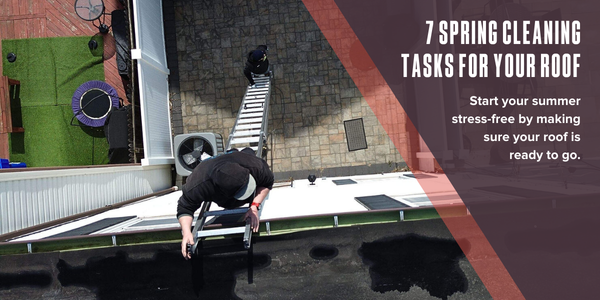
7 spring cleaning tasks for your roof
Read More ...
What Are Dead Valleys?
Read More ...





Comments
Leave a Reply
Have an account? Login to leave a comment!
Sign In