



When rooftop equipment changes, the roof must change with it
By Cotney Consulting Group.
For building owners and property managers, any change to rooftop equipment should be planned as a coordinated building-envelope project.
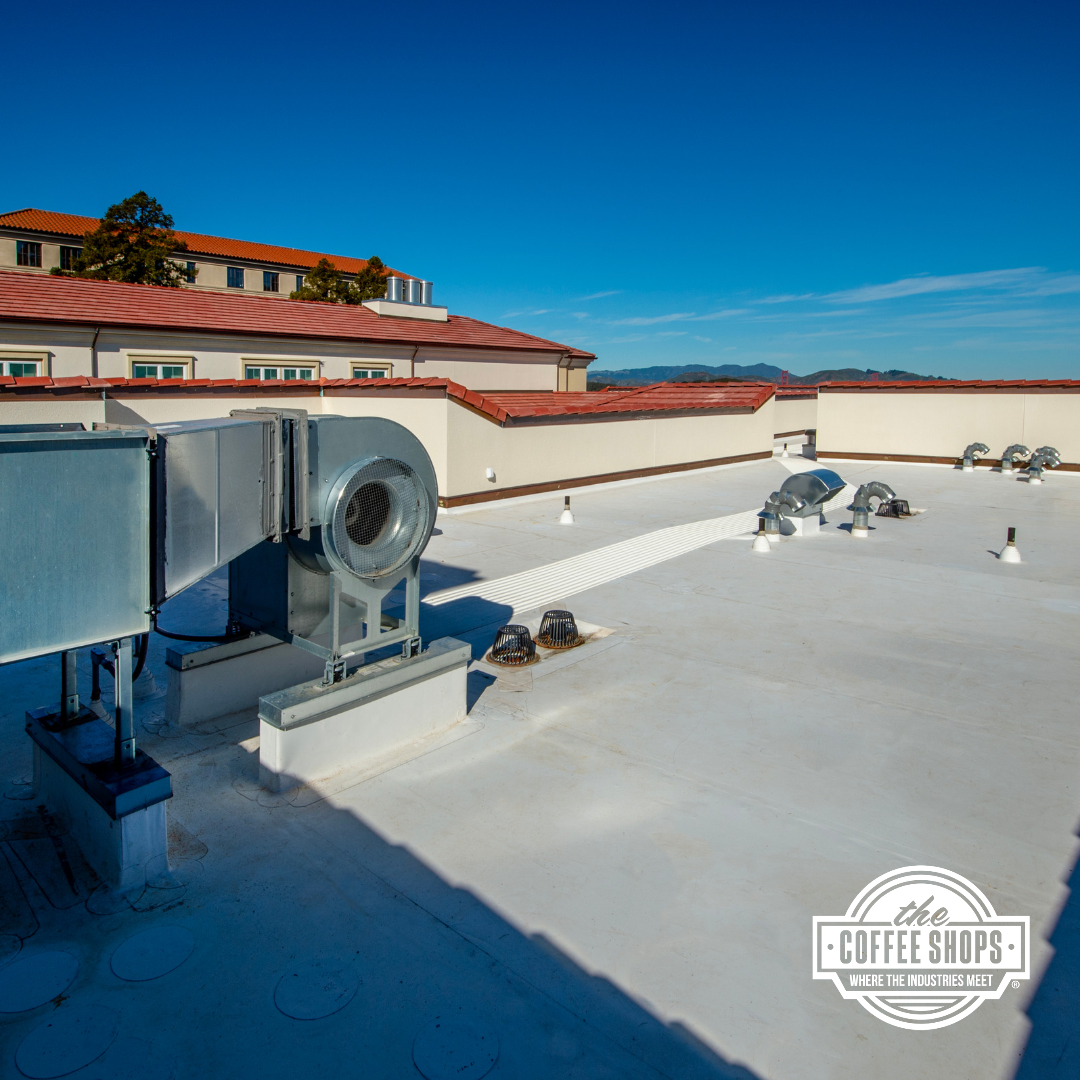
Rooftop equipment does not operate separately from the roofing system beneath it. HVAC units, exhaust fans, vents, communication equipment, piping and electrical components all depend on curbs, supports, penetrations and flashing that must remain watertight. When rooftop equipment is replaced, moved, enlarged or removed, the roofing system is affected whether the project is formally treated as roofing work or not. That is where problems often begin.
A mechanical contractor may complete the equipment installation correctly from an HVAC standpoint while unintentionally creating new roofing risks. An existing curb may no longer fit the replacement unit. Service lines may be relocated. New supports may be added. Old penetrations may be abandoned. Temporary patches may be installed and never permanently corrected.
For building owners and property managers, any change to rooftop equipment should be planned as a coordinated building-envelope project.
Equipment replacement is more than a mechanical project
Replacing a rooftop unit involves more than disconnecting the old equipment and setting a new unit in its place. The replacement unit may have different dimensions, weight, service clearance needs or attachment requirements, any of which can affect the roof or supporting structure. The supply and return openings may not align with the existing curb. Electrical connections, piping and drainage lines may also need to be moved.
Each change can affect the roofing system. If the new unit is smaller, portions of the existing curb may be exposed. If it is larger, new openings or curb extensions may be required. If the weight changes, the structural and support conditions may need to be reviewed.
Depending on the building, equipment and local requirements, structural or engineering evaluation may be necessary. The mechanical contractor may understand the equipment, but the roofing contractor should evaluate how the change will affect flashing, drainage, membrane transitions and warranty requirements. The best time to identify those issues is before the old unit is removed.
Existing curbs must be evaluated
Rooftop equipment is often mounted on a curb that raises the unit above the roof surface. That curb is part of both the mechanical installation and the roofing system. Before ordering new equipment, the existing curb should be evaluated for size, height, condition and compatibility. The flashing around it should also be reviewed.
An older curb may be corroded, damaged or too low for the current roofing system. Previous roof replacements may have added insulation or additional layers around the curb, reducing the amount of vertical flashing available. An adapter curb may allow the new unit to fit, but it does not automatically correct an aging, damaged or improperly flashed existing curb.
The owner should understand whether the original curb will remain, be modified or be replaced. That decision should be coordinated between the mechanical contractor, roofing contractor and, when necessary, structural or design professionals.
New penetrations require proper flashing
Equipment changes often require new piping, conduit, wiring or supports. Every new penetration creates another location where water must be managed. A pipe or conduit should not simply pass through a hole in the roof and depend on sealant to keep water out. The penetration should be properly supported and flashed using materials compatible with the roofing system.
The exact detail will depend on the roof type and penetration. A single-ply membrane roof may require a preformed boot or field-fabricated flashing. A metal roof may require a coordinated curb or penetration detail that allows for movement. Built-up and modified-bitumen systems have their own requirements. Surface-applied sealant may be part of the completed detail, but it should not be the only protection. The roofing contractor should review the penetration plan before work begins and complete or inspect the flashing as required.
Abandoned penetrations must be closed correctly
When equipment is removed, old pipes, conduit, curbs and supports are often left behind. Sometimes they are cut off near the roof and capped. In other cases, the opening is covered with sheet metal, roofing cement or a temporary patch. That approach can create long-term problems.
An abandoned penetration remains a vulnerable point unless it is properly removed and the roof assembly is restored. Water can enter around the old flashing and debris may collect around the unused component. Unused curbs can also retain water, impede drainage and create areas that are difficult to inspect.
The correct repair may involve removing the abandoned component, replacing damaged insulation or decking and installing new roofing materials that tie into the existing system. The goal should be to eliminate the opening, not merely hide it.
Equipment supports must protect the roof
Rooftop equipment and service lines should not rest directly on the roof membrane. Improperly placed supports can concentrate weight, restrict drainage and damage the roofing material as equipment moves or vibrates. Pipe stands, sleepers, equipment rails and other supports should be designed for the roof system and the loads involved.
The support should distribute weight over an appropriate area and allow water to flow beneath or around it. It should also accommodate movement without cutting, scuffing or compressing the roof. Wood blocking placed directly on the membrane is rarely an acceptable long-term support. It can hold moisture, deteriorate and shift over time. The roofing contractor should review support locations and details, particularly when heavy equipment or long piping runs are involved.
Drainage must remain open
Adding or relocating rooftop equipment can change how water moves across the roof. A new unit, curb, support or piping line may block the natural drainage path. Water may begin to collect on the uphill side of the equipment or around the supports. On low-slope roofs, even a small obstruction can create ponding in an area that previously drained correctly.
Equipment should not be installed over drains, scuppers or primary water-flow paths. Service platforms and walkways should also be positioned so they do not trap debris or redirect runoff. The owner should ask the roofing contractor to review drainage before and after the equipment is installed. A project may function perfectly from a mechanical standpoint and still create a roofing problem if water can no longer leave the area.
Roof height changes can affect equipment
Roof replacements can also change the relationship between the roof and existing equipment. New insulation may raise the finished roof surface. Additional cover board or tapered insulation can reduce the exposed height of curbs, flashings and penetrations. A curb that was high enough when originally installed may no longer provide adequate flashing height after changes to the roof system. Door panels, service access and drainage openings on rooftop units may also become too close to the finished roof surface. These conditions should be identified during roof-replacement planning.
In some cases, equipment may need to be raised or curbs extended before the new roof is installed. That requires coordination with the mechanical contractor and may affect project sequencing. Ignoring the relationship between roof height and equipment can create difficult details that are expensive to correct later.
Equipment leaks can be mistaken for roof leaks
Water appearing near rooftop equipment is not always entering through the roofing system. HVAC units can leak through damaged panels, deteriorated gaskets, clogged drain lines, open service doors or internal condensation systems. Water may enter the unit and travel through the curb before becoming visible inside the building. The reverse can also happen. A mechanical contractor may assume the unit is leaking when the real source is failed roof flashing around the curb. Repeatedly calling one trade without evaluating the entire condition can lead to unnecessary repairs and continued leakage.
When water appears near rooftop equipment, both the unit and the surrounding roofing details should be inspected. The building owner should expect coordination rather than a quick assignment of blame.
Crane and equipment operations can damage the roof
Replacing large rooftop equipment often requires a crane. The lift itself may be brief, but the preparation and staging can create roofing risks. Workers may place rigging, tools, panels and removed components on the roof. Temporary platforms may be built. Heavy items may be dragged or set directly on the membrane. Protective materials should be installed in designated work areas and along access routes. Loads should be distributed properly and drainage areas should remain open.
The roofing contractor should inspect the work area after the lift is complete. Small punctures, cuts or compressed insulation may not be visible from inside the building, but they can lead to future leaks. A post-work inspection allows the owner to address damage before the next storm reveals it.
Warranty requirements should be reviewed
Commercial roof warranties often include requirements for new penetrations, equipment changes and alterations. The manufacturer may require prior notification, approved details or inspection by an authorized roofing contractor. If another trade modifies the roof without following those procedures, warranty coverage may be affected.
Before rooftop equipment work begins, the owner should locate the roof warranty and confirm the requirements. The roofing contractor should document the work performed and provide photographs of completed flashing and repairs. The owner should keep those records with the roof file. Warranty concerns are much easier to manage before the roof is altered than after a leak develops.
Responsibility should be defined in writing
One of the most common problems on rooftop equipment projects is unclear responsibility. The mechanical contractor assumes the roofer will handle the penetrations. The roofing contractor assumes the equipment installer will provide the curbs or supports. The owner assumes both contractors are coordinating. When those assumptions are wrong, important details can be missed.
The project scope should clearly identify who is responsible for removing existing flashing, providing curbs or adapters, protecting the roof, installing new penetrations, completing permanent flashing and inspecting the finished work. Temporary weather protection should also be assigned. If the roof is opened and the equipment installation is delayed, someone must be responsible for keeping the building watertight. Written responsibility gives the owner greater control and reduces conflict between contractors.
Pre- and post-work inspections add accountability
The roof should be inspected before major equipment work begins. The pre-work inspection documents existing conditions around the unit, curb, flashing, membrane and nearby drainage areas. Photographs provide a record of any pre-existing damage. After the work is completed, a second inspection should confirm that penetrations are properly flashed, debris has been removed, drainage remains open and no damage occurred during the project.
This process protects everyone involved. The equipment contractor is not blamed for conditions that existed before the work. The roofing contractor can verify that the system remains watertight. The owner receives documentation showing how the roof was affected. For larger projects, the owner may also want an inspection during the work before concealed details are covered.
Access for future service must be maintained
New equipment must remain accessible for maintenance, but that access should not damage the roof. Technicians need safe routes from roof hatches or ladders to the equipment. They also need enough working space around panels, filters and service points. If access requires workers to step over piping, walk through drainage areas or repeatedly cross unprotected membrane, the roof is likely to experience increased wear. Walkway pads or service platforms may be needed.
The equipment layout should also allow roofing contractors to inspect and repair the curb, flashing and surrounding membrane. An installation that leaves no room for roof maintenance may create higher costs later. Good planning considers both the equipment technician and the roofing contractor who will need access in the future.
Treat every equipment change as a roof change
Rooftop equipment does not sit above the roofing system without affecting it. Curbs, supports, penetrations, drainage, access and flashing connect the equipment directly to the roof. That is why every equipment replacement, relocation or removal should include roofing coordination.
Evaluate the existing curb. Plan new penetrations. Remove abandoned openings correctly. Protect drainage and maintain service access. Review warranty requirements and document the work before and after completion.
The mechanical contractor and roofing contractor do not perform the same job, but their work must meet at the roof. When the owner defines responsibilities early, requires coordination and documents the work, the project is far more likely to produce equipment that operates correctly and a roof that remains watertight.
Learn more about Cotney Consulting Group in their Coffee Shop Directory or visit www.cotneyconsulting.com.
Recommended For You

S-5! Introduces New Bracket Technology for Trapezoidal Rib Metal Roof Profiles
Read More ...
5 Reasons These Professionals Love This Siding
Read More ...
Q&A – Replacing Gutters When Replacing Roof
Read More ...





Comments
Leave a Reply
Have an account? Login to leave a comment!
Sign In