



What’s really under your shingles?
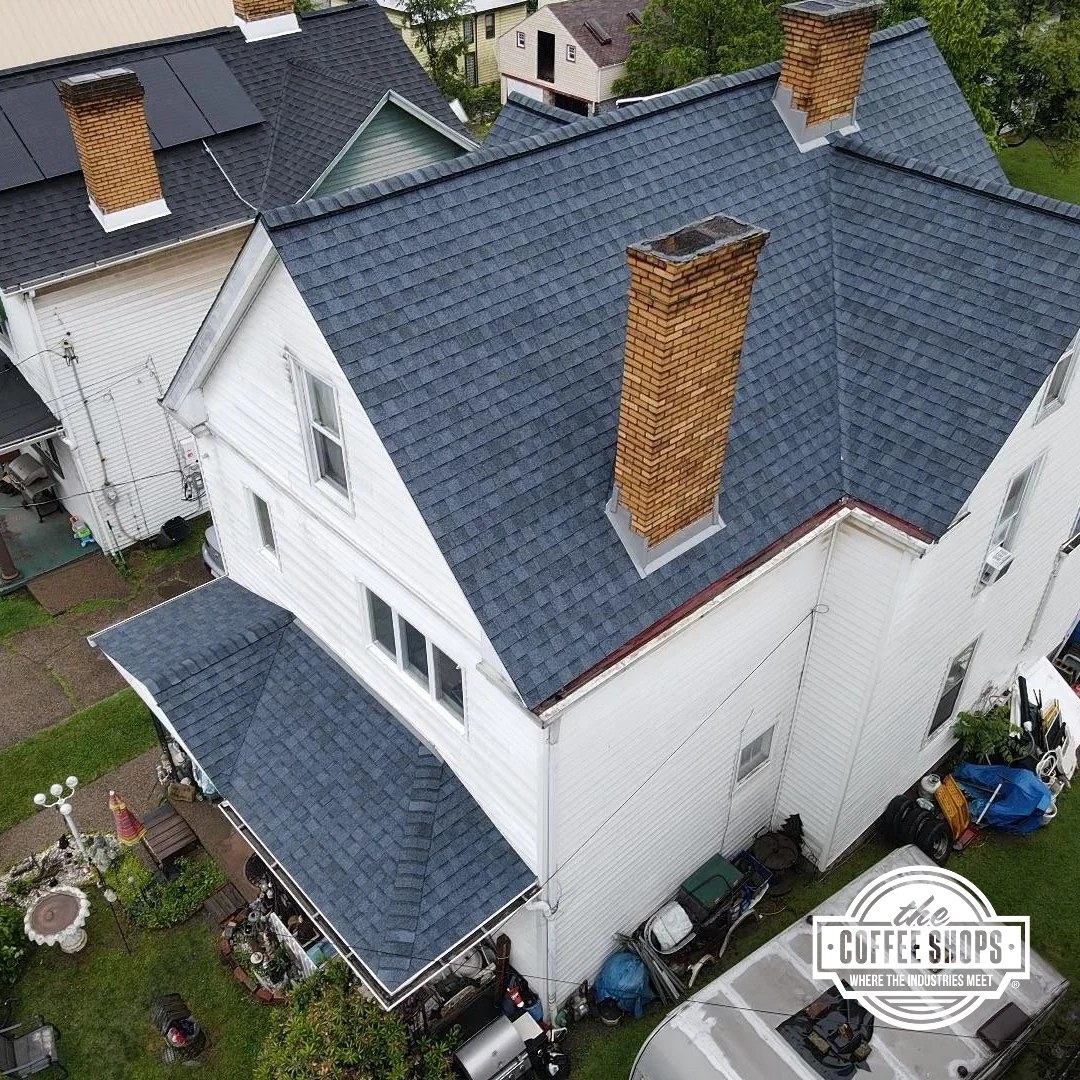
By Jesse Sanchez.
Understanding the layers of roofing beneath your shingles can help protect your home and make replacement decisions easier.
When homeowners consider replacing their roofs, shingles often get the most attention. However, EAS Roofing emphasizes that the materials beneath those shingles are just as important to a roof's performance and longevity. A complete roofing system includes multiple components that work together to protect a home from moisture, wind and changing weather conditions.
The foundation of the system is the roof decking, typically constructed from plywood or oriented strand board (OSB). During a roof replacement, contractors can inspect the exposed decking for moisture damage, deterioration or improper repairs. Identifying these issues before installing new materials is essential because covering damaged decking does not resolve underlying structural concerns.
Above the decking, ice and water protection provides an additional moisture barrier in vulnerable areas such as eaves, valleys and roof penetrations. Underlayment adds another protective layer beneath the shingles, while drip edge helps direct water away from exposed roof edges. Although these materials are largely hidden once installation is complete, each plays an important role in managing water and protecting the roofing system.
Starter shingles help secure the first course of roofing along the perimeter, where wind exposure can be a concern. The primary shingles provide exterior protection and contribute to the home's appearance, while flashing directs water away from chimneys, skylights, walls and other roof transitions. Proper installation of these components is essential to preventing moisture intrusion in vulnerable areas.
Other important components include attic ventilation, which helps manage heat and moisture and ridge cap shingles, which protect and finish the roof's hips and ridges. Together, these elements contribute to the roofing system's overall performance.
For homeowners comparing roof replacement estimates, understanding the complete system is essential. Beyond the final price, homeowners should evaluate the materials, installation methods and protective features included in each proposal.
Asking contractors about decking conditions, moisture protection, ventilation, installation practices and warranties can help homeowners better understand what their investment includes and make informed decisions about their roofing needs.
Have a question? AskARoofer.
Find your local roofing contractor in the AskARoofer™ Contractor Directory.
About the author

Jesse is a writer for The Coffee Shops. When he is not writing and learning about the roofing industry, he can be found powerlifting, playing saxophone or reading a good book.
Recommended For You
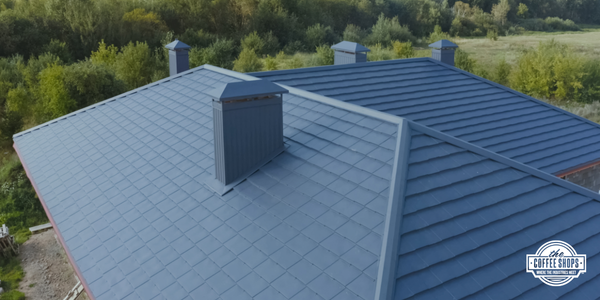
Roofing made simple
Read More ...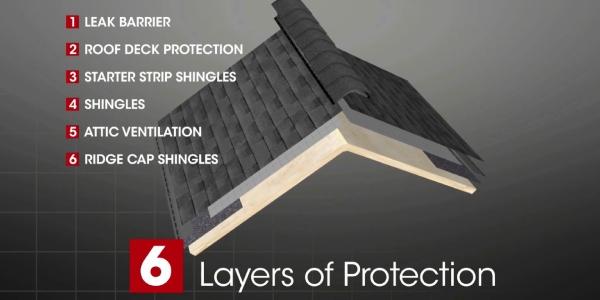
ARMA Produces New Educational Video "The Right Roof System for Your Home"
Read More ...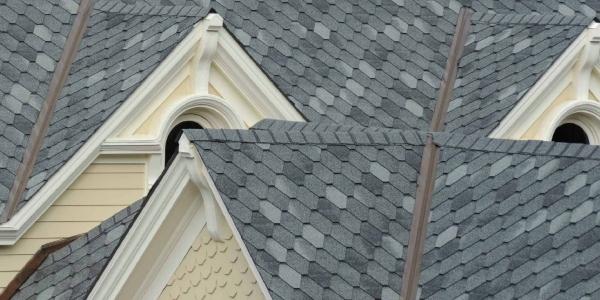
Signature Cut Shingles With an Impactful Design
Read More ...



Comments
Leave a Reply
Have an account? Login to leave a comment!
Sign In