



Understanding wind mitigation reports for stronger roofs

By Jesse Sanchez.
Learn how wind mitigation inspections influence insurance decisions and why roofing systems remain central to storm preparedness.
In hurricane-prone regions, storm readiness is not theoretical; it is a defining factor in how homes are built, evaluated and insured. That reality has placed greater emphasis on wind mitigation reports, which function as both a technical assessment of a home’s structural resilience and a key input in how insurers measure risk, a dynamic that companies like Crowther Roofing and Cooling work within as they help homeowners strengthen their properties against severe weather.
A wind mitigation report is an official inspection designed to document how well a home can withstand hurricane-force winds. Licensed professionals evaluate construction features that directly affect performance, including roof age, design and deck attachment, along with protective elements such as hurricane straps or impact-rated openings. Those findings are recorded on a standardized form recognized by the state of Florida, creating a uniform method insurers use to assess vulnerability across properties.
That standardized approach is what connects construction details to financial outcomes. Homes with stronger wind mitigation features are typically classified as lower risk, a distinction that often leads to reduced homeowners' insurance premiums. In many cases, the savings are not tied to new improvements, but to existing features that have not previously been documented through a formal inspection.
At the same time, the process relies on clearly defined responsibilities. While roofing contractors play a critical role in how a home performs during a storm, they do not conduct wind mitigation inspections. State regulations require those evaluations to be completed by licensed inspectors, engineers or qualified building officials. Contractors instead support the process by installing and maintaining roofing systems that meet the standards inspectors are tasked with verifying.
That connection places roofing quality at the center of the equation. Because the roof is one of the most heavily evaluated components in a wind mitigation report, factors such as material selection, fastening methods and overall condition can significantly influence the outcome. A properly installed, code-compliant system designed for hurricane exposure not only protects the structure, but also strengthens the home’s overall risk profile.
As storm season approaches, wind mitigation reports offer more than a pathway to potential insurance savings. They provide a clear, documented snapshot of how a home is built to perform under pressure. When paired with a well-executed roofing system, that insight allows homeowners to move forward with greater confidence in both their coverage and their preparedness.
Have a question? AskARoofer.
Find your local roofing contractor in the AskARoofer™ Contractor Directory.
About the author

Jesse is a writer for The Coffee Shops. When he is not writing and learning about the roofing industry, he can be found powerlifting, playing saxophone or reading a good book.
Recommended For You
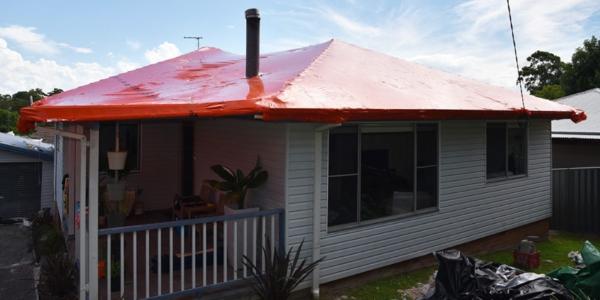
Berowra Residents Hugely Relieved by Stormseal
Read More ...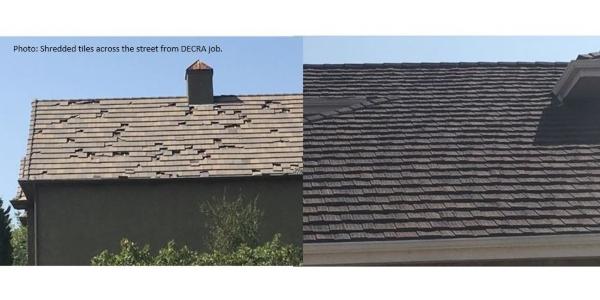
Hail-weary Homeowners Turning to DECRA for Ultimate Protection
Read More ...
Top June articles: Fire resistance, cool surfaces and more
Read More ...





Comments
Leave a Reply
Have an account? Login to leave a comment!
Sign In