



Understanding granule loss

By V.C. Veterans Contracting.
Learn what causes asphalt shingles to shed granules and how to protect your roof from premature wear and costly repairs.
Most homeowners know that their roofs are critical to keeping their homes safe and secure. What some may not know is that their roof requires regular maintenance, much like a car that is exposed to the elements and vulnerable to normal wear and tear.
One of the earliest warning signs that your roof may be aging or wearing down is granule loss of asphalt shingles. When granules begin to loosen or wash away, your roof becomes more vulnerable to leaks, premature aging and costly repairs.
In this article, our team at V.C. Veterans Contracting will explain the importance of early detection and regular maintenance to prevent granule loss and protect your investment for years to come.
What is granule loss?
Granule loss refers to the erosion or shedding of the small, coarse particles on the surface of asphalt shingles. These granules are typically made of crushed minerals and serve several essential functions:
- Protection from UV rays: The granules shield the underlying asphalt layer from harmful ultraviolet rays, which can degrade the material over time.
- Fire resistance: Granules provide a fire-retardant layer, adding an extra safety feature to your roof.
- Aesthetics: They give shingles their color and texture, contributing to your home’s curb appeal.
When these granules begin to dislodge, the shingles can lose their effectiveness and durability.
What causes granule loss?
Understanding the causes of granule loss can help you take preventive measures and maintain your roof’s longevity. Here are some common reasons why granule loss occurs:
Aging and weathering
Like all materials exposed to the elements, asphalt shingles naturally wear down over time. Granule loss is a normal part of the aging process. However, factors like prolonged exposure to harsh weather conditions can accelerate this process.
- UV radiation: Constant exposure to sunlight can cause the asphalt layer to dry out and become brittle, leading to granule loss.
- Rain and wind: Heavy rain and strong winds can physically dislodge granules, especially during storms.
- Temperature fluctuations: Repeated cycles of heating and cooling can cause the asphalt to expand and contract, loosening the granules.
Improper installation
If shingles are not installed correctly, they may not adhere properly, leading to premature granule loss. Common installation errors include:
- Using insufficient adhesive
- Misaligning the shingles
- Failing to secure the shingles with enough nails
Poor quality materials
Not all shingles are created equal. Low-quality shingles are more prone to granule loss due to inferior manufacturing processes. Investing in high-quality shingles from reputable manufacturers can reduce the risk of this issue.
Physical damage
Granule loss can also result from physical damage, such as:
- Foot traffic: Walking on your roof can loosen or dislodge granules, especially if the shingles are already weakened.
- Falling debris: Branches and other debris falling onto your roof can knock off granules.
Algae and moss growth
Algae and moss can retain moisture, leading to the deterioration of the shingle surface and subsequent granule loss.
How granule loss affects your shingles
Granule loss can have several adverse effects on your shingles and overall roof system:
- Reduced lifespan: The granules protect the asphalt layer from UV radiation. Without them, the asphalt can degrade faster, shortening the lifespan of your shingles.
- Decreased water resistance: Granules help to shed water and prevent it from penetrating the shingle. When granules are missing, water can seep through, increasing the risk of leaks and water damage.
- Increased vulnerability to weather damage: Without the protective layer of granules, shingles become more vulnerable to damage from wind, hail and other weather-related elements. This can lead to further granule loss and exacerbate the problem.
- Compromised aesthetic appeal: Granules give shingles their color and texture, so granule loss can lead to uneven coloring and a less appealing roof appearance.
How to prevent granule loss: 5 key tips
While some granule loss is inevitable over time, there are steps you can take to minimize it and extend the life of your roof:
1 – Regular inspections and maintenance
Conduct regular inspections of your roof to identify early signs of granule loss. Look for bare spots on the shingles or excessive granules in your gutters and downspouts.
2 – Keep your roof clean
Regularly clean your roof to prevent the buildup of debris, algae and moss. Use a soft brush or low-pressure washer to avoid damaging the shingles.
3 – Trim overhanging branches
Trim tree branches that overhang your roof to reduce the risk of falling debris and to allow sunlight to dry out any moisture.
4 – Ensure proper ventilation
Proper attic ventilation can help regulate temperature and moisture levels, reducing the thermal cycling that can cause granule loss.
5 – Use high-quality materials
Invest in high-quality shingles and ensure that they are installed by reputable professionals following the manufacturer’s guidelines.
When it’s time to replace your asphalt shingles
Despite your best efforts, there may come a time when granule loss becomes severe enough to necessitate roof replacement. Here are some signs that it might be time to consider replacing your shingles:
- Widespread bare spots: If you’re noticing large areas of bare shingles, it’s a clear sign that the granules have worn away significantly, compromising the shingles’ protective qualities.
- Frequent leaks or water intrusion: Multiple leaks or consistent water damage inside your home can indicate that the shingles are no longer effectively shedding water.
- Excessive granules in gutters: While some granule loss is normal, finding excessive granules in your gutters could indicate that your shingles are reaching the end of their lifespan.
- Curling or cracking shingles: Shingles that are curling, cracking or showing other signs of physical deterioration are less likely to hold onto their granules and provide adequate protection.
- Advanced age: If your roof is nearing or has exceeded its expected lifespan (typically 20-30 years for asphalt shingles), it may be time to replace it, regardless of visible granule loss.
Worried about granular loss?
Granule loss in asphalt shingles is a common issue that every homeowner should be aware of. Regular maintenance, quality materials and timely inspections are key to preventing granule loss and maintaining the integrity of your roof. If you’re unsure about the condition of your roof or suspect significant granule loss, consider consulting a professional roofing contractor for an assessment. Taking proactive steps to address granule loss will not only enhance your roof’s performance but also ensure that your home remains safe and secure for years to come.
Original article source: V.C. Veterans Contracting
Disclaimer: The information provided on AskARoofer.com or information sent by emails is the opinion of the writers. It is the responsibility of the reader to check for accuracy in one's own jurisdiction, as there are different codes and restrictions for different parts of the country. AskARoofer.com does not accept any liability for the use of information on this website or email. AskARoofer.com has no controls over product failures, installation, or climate conditions that may change the roofing process in your area. Our information is in general to our area and cannot be the same as your local town or state. It is advised to seek the local Building Department, Licensed Contractor and local Product Representative for proper installation requirements and code enforcement when installing a new roof.
Have a question? AskARoofer.
Find your local roofing contractor in the AskARoofer™ Contractor Directory.
Recommended For You

Henderson Castle Revived With Award-winning Roof Restoration
Read More ...
Metal Roof or Shingle Showdown
Read More ...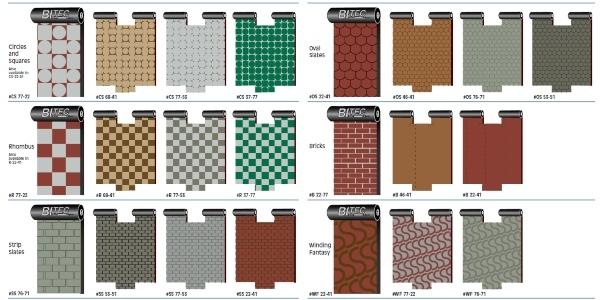
Flawless Design and Color Options from Bitec
Read More ...





Comments
Leave a Reply
Have an account? Login to leave a comment!
Sign In