

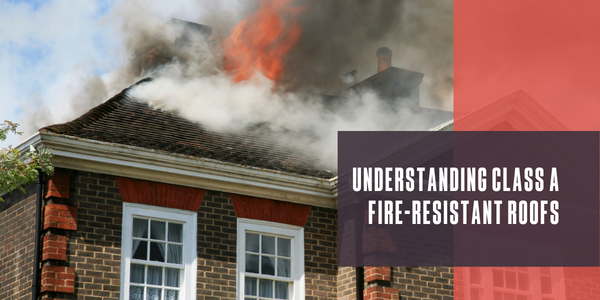
Understanding Class A fire-resistant roofs
By The Coffee Shops®.
Understand how roofing materials, underlayment, vents and maintenance work together to improve your home’s fire protection.
A Class A roofing material can provide a high level of fire resistance, but the covering alone does not determine how well a roof will perform. According to this article by RoofSmart, homeowners should consider the complete roof assembly, particularly in wildland-urban interface zones where burning embers can threaten nearby homes.
Class A is the highest fire rating available for roofing materials. Testing a roofing material includes evaluating how well a roof resists ignition, limits flame spread and protects the roof deck when exposed to severe fire conditions. Some products earn a Class A rating on their own, while others require specific underlayment, decking and installation components to achieve that classification.
Class A options can include metal, asphalt shingles, polyvinyl chloride membranes, tile, slate, fire-treated cedar shake and Brava products. These choices offer different appearances and price points. Asphalt shingles can be a budget-friendly option, while metal or fire-treated cedar shake may require a higher investment.
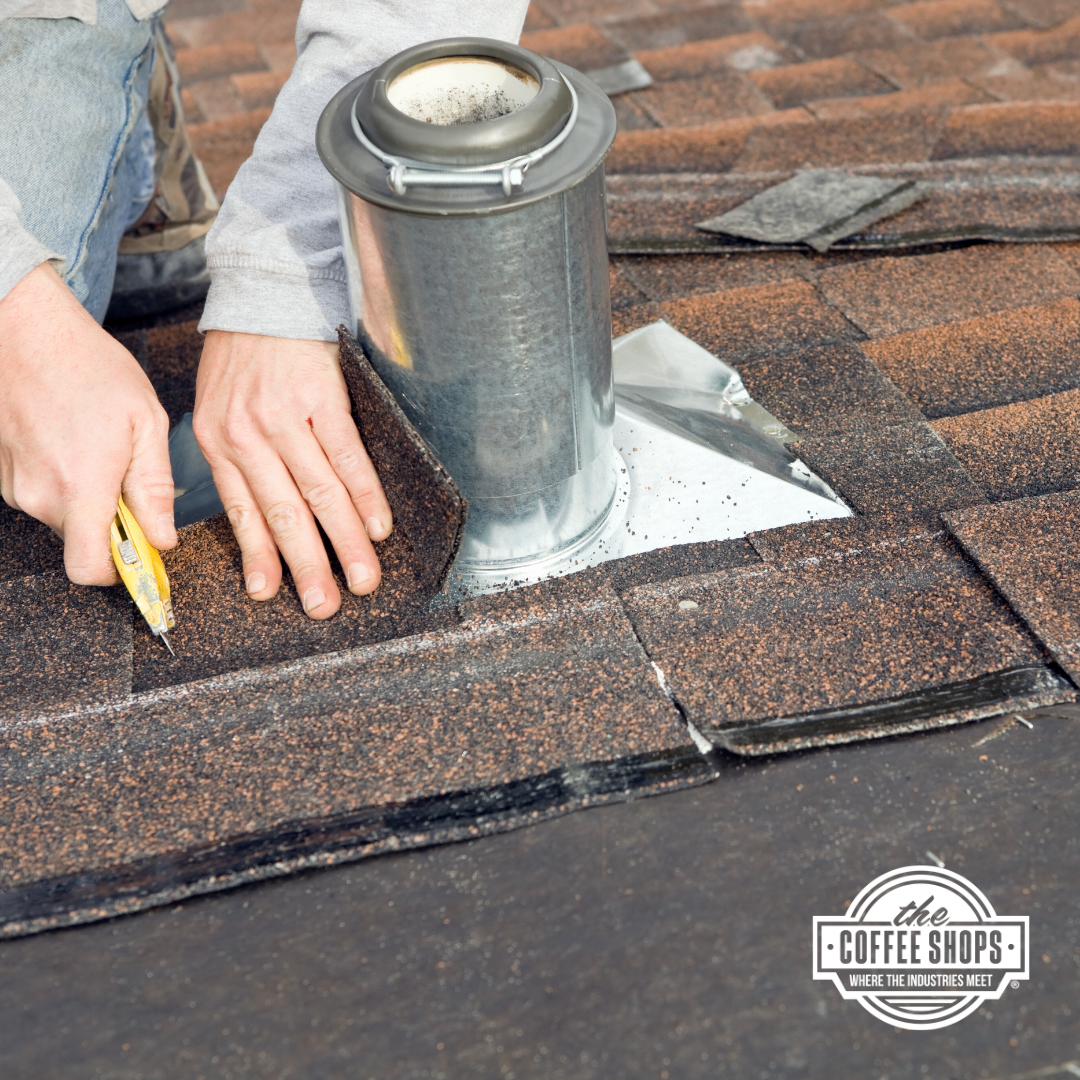
The materials beneath and around the roof covering are equally important. A fire-rated synthetic underlayment can help protect the roof deck, while ember-resistant intake vents can reduce the chance of burning embers entering the attic. RoofSmart recommends carefully checking vent specifications because many standard intake vents may not provide ember protection.
Gutters also require attention. Leaves and pine needles can collect around the roofline and become fuel when exposed to flying embers. Metal gutter guards that shed debris, along with regular gutter cleaning, can help reduce this risk. Proper flashing, chimney clearances, approved decking and routine roof inspections further support the assembly.
Homeowners should work with a knowledgeable roofing contractor who can evaluate local fire codes, product requirements, the home’s location and the available budget. The goal is not simply to purchase a Class A product, but to create a complete roofing system designed to resist ignition and slow the spread of fire.
Image credit: RoofSmart
Have a question? AskARoofer.
Find your local roofing contractor in the AskARoofer™ Contractor Directory.
Recommended For You
Roof owner 101
Read More ...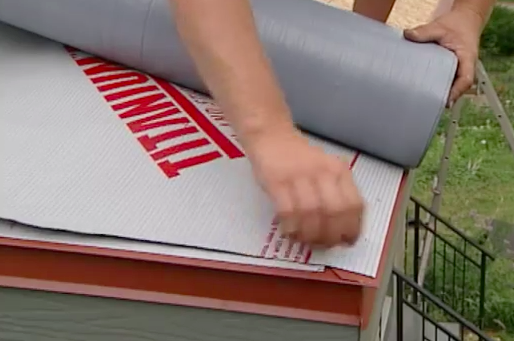
Advantages and Disadvantages of Synthetic Roof Underlayment
Read More ...
Keep your home and wallet secure with CraftGrade
Read More ...

Comments
Leave a Reply
Have an account? Login to leave a comment!
Sign In