


The best way to extend the life of your roof isn't what most people think
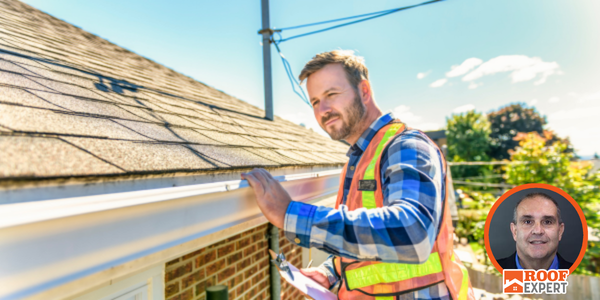
AAR Expert John Kenney says maintenance doesn't just help your roof last longer — it helps protect your home, your budget and your peace of mind.
One of the first questions homeowners ask after installing a new roof is, "How long should it last?" It's a fair question, but after spending more than four decades in the roofing industry, I've learned there's another question that's even more important.
What are you doing to help it reach that lifespan?
Two homes can have the same roofing material installed by the same contractor on the same day. Twenty years later, one roof may still be performing well while the other is leaking and needs replacement. The difference often has less to do with the shingles and more to do with what happened after installation.
A roof isn't a maintenance-free part of your home. Like your heating and cooling system or your vehicle, it performs best when it's inspected regularly, and small problems are corrected before they become expensive ones.
One thing I've learned over the years is this:
Most roof failures don't happen overnight. They develop one small problem at a time.
A loose piece of flashing. A cracked pipe boot. Debris collecting in a valley. A small area where sealant has weathered away. Individually, these may seem insignificant. Left alone, they often become the source of leaks that damage insulation, decking and even the interior of the home.
That's why I recommend having your roof professionally inspected at least once a year. It's also wise to schedule an inspection after a major storm involving high winds, hail or falling tree limbs, even if you don't see obvious damage from the ground.
Many roofing problems aren't visible from your driveway.
During a professional inspection, contractors look far beyond the shingles themselves. They examine flashing around chimneys, walls and skylights, check pipe boots and roof penetrations, inspect valleys where large amounts of water flow and evaluate the condition of sealants that help protect vulnerable areas.
They'll also look for missing or damaged shingles, exposed fasteners, signs of wind uplift, drainage issues and early indications of water intrusion. If the attic is accessible, they'll often check for moisture staining, ventilation issues and evidence that water may already be entering the structure.
These are issues that can often be corrected relatively inexpensively when caught early. Unfortunately, they're also the kinds of problems many homeowners don't discover until water begins dripping from a ceiling.
Preventative maintenance is one of the smartest investments you can make in your roof. It doesn't always involve major repairs. Sometimes it's as simple as clearing debris that traps moisture, cleaning gutters so water drains properly or replacing a deteriorated pipe boot before it allows water into the home.
Reactive repairs are different. They usually begin after damage has already occurred. By that point, you're often paying not only for the roof repair but also for damaged insulation, drywall, paint or interior finishes. What could have been a routine maintenance item becomes a much larger and more expensive project.
I've also found that regular inspections help homeowners plan. Instead of being surprised by a roof replacement, they gain a better understanding of the roof's condition and can begin budgeting for future work well before it becomes urgent. That takes much of the stress out of the process.
Don't wait to see a problem
One piece of advice I always give homeowners is this: Don't wait until you see a leak to call a roofing contractor. Water often travels before it becomes visible inside the home, meaning the actual problem may have started weeks — or even months — earlier.
Your roof works every day of the year to protect everything underneath it. Giving it a professional inspection once a year is a small investment compared to the cost of repairing water damage caused by a problem that went unnoticed. I've always believed the least expensive roof repair is the one you never have to make because you found the problem early.
That's the real value of inspections and preventative maintenance. They don't just help your roof last longer — they help protect your home, your budget and your peace of mind.
John Kenney is the CEO of Cotney Consulting Group. Read his full bio here.
Recommended For You
Preventative maintenance vs. reactive roof repairs
Read More ...
The unexpected benefit of roofing maintenance
Read More ...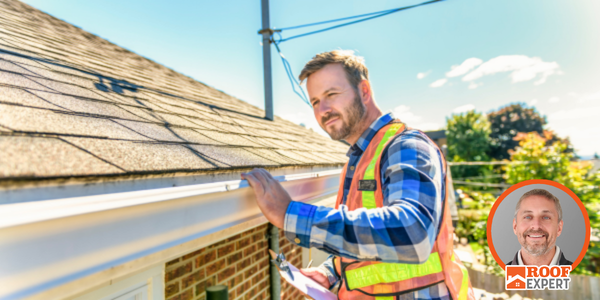
The roof overhead: Shifting from crisis management to asset protection
Read More ...




Comments
Leave a Reply
Have an account? Login to leave a comment!
Sign In