



Spring storm readiness starts at the roof

AAR Expert John Kenney says that taking the time to prepare before spring storms helps ensure your roof can do its job when conditions are at their worst.
Spring storms often expose problems that have been quietly developing all winter. High winds, driving rain, hail and sudden temperature swings put stress on roofing systems, and roofs that fail during storm season are often already vulnerable. The good news is that a little preparation before storms arrive can significantly reduce the risk of damage and costly repairs.
The first step for home and building owners is a thorough roof inspection before storm season begins. Winter weather can loosen fasteners, damage flashing and allow debris to accumulate in places that aren’t visible from the ground. If you’re comfortable doing so safely, a visual inspection from the ground can reveal missing shingles, lifted edges, sagging areas or damaged gutters. For commercial buildings or steep-slope homes, having a qualified roofing professional perform this inspection is the safest and most reliable option.
Pay close attention to roof edges, penetrations and transitions. These areas experience the most movement during wind events and are often the first to fail. Flashing around chimneys, skylights, vents and rooftop equipment should be secure and properly sealed. If sealants are cracked, shrinking or separating, addressing them early can prevent water intrusion during heavy rain.
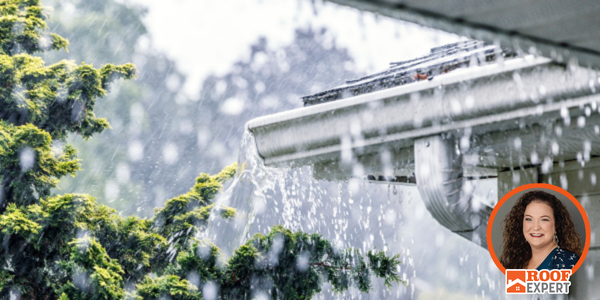
Drainage is another critical factor. Spring storms often bring intense rainfall, and roofs are designed to shed water efficiently only when drains, scuppers and gutters are clear. Leaves, branches and winter debris can block water flow, leading to ponding on flat roofs or overflow at roof edges. Standing water adds weight, accelerates material deterioration and increases the chance of leaks. Clearing drainage paths is one of the simplest and most effective preventative measures an owner can take.
Trees and surrounding conditions should also be evaluated. Overhanging branches can break during high winds and impact the roof surface. Trimming trees back reduces the risk of physical damage and limits the amount of debris that can clog drainage systems. For commercial properties, this step is often overlooked but plays a major role in storm readiness.
Inside the building, it’s worth checking ceilings and attic or plenum spaces for early warning signs. Water stains, damp insulatio or musty odors may indicate minor leaks that haven’t yet become obvious. Addressing these issues before storm season prevents them from escalating under heavier weather conditions.
Documentation is another important but often missed step. Take photos of the roof’s current condition and keep records of any maintenance or repairs performed. This documentation is valuable if storm damage does occur and an insurance claim becomes necessary. Clear records help establish pre-storm conditions and speed up the claims process.
Building owners should also review their service relationships before storms arrive. Knowing who to call, how quickly a response can be expected and which emergency services are available reduces stress when severe weather strikes. Contractors are often overwhelmed after major storms, and established relationships tend to receive faster attention.
Finally, don’t wait until the first storm warning to act. Roof preparation is most effective when done proactively rather than reactively. Small repairs, routine maintenance and clear drainage systems make a measurable difference in how a roof performs under stress. Storms can’t be prevented, but damage often can be minimized.
A roof’s job is to protect everything beneath it. Taking the time to prepare before spring storms arrive helps ensure it can do that job when conditions are at their worst.
John Kenney is the CEO of Cotney Consulting Group. Read his full bio here.
Recommended For You






Comments
Leave a Reply
Have an account? Login to leave a comment!
Sign In