


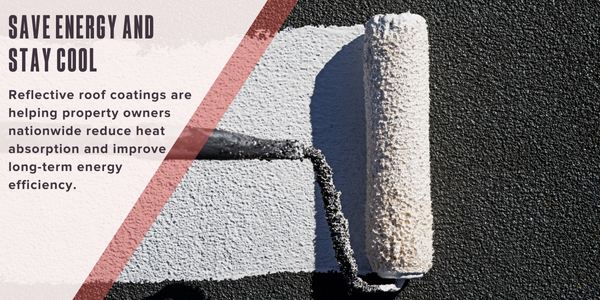
Save energy and stay cool
By Guardian Roofing.
Reflective roof coatings are helping property owners reduce heat absorption and improve long-term energy efficiency.
As temperatures rise and heat waves become more frequent, many property owners across the United States are looking for ways to keep their homes comfortable without driving up energy costs. One major cause of rising indoor temperatures is the urban heat island effect — when dark roofs, pavement and other hard surfaces absorb and trap heat, raising temperatures in surrounding areas. The result is higher utility bills, added strain on cooling systems and discomfort for families trying to stay cool indoors.
That’s where cool roof technology comes in. Reflective roof coatings, offered by companies like Guardian Roofing, provide a smart, sustainable way to reduce heat absorption and improve home energy efficiency. By reflecting sunlight instead of storing it, these coatings can help maintain cooler indoor temperatures, extend the life of your roof and lower your energy bills while supporting a more sustainable environment.
Understanding the urban heat island effect
The term urban heat island describes a situation where developed areas become significantly warmer than surrounding rural regions. This happens because buildings, pavement and dark roofing materials absorb sunlight during the day and slowly release heat back into the environment at night. Unlike grassy or tree-covered areas that naturally cool, these man-made surfaces hold onto heat and create pockets of higher temperatures.
For homeowners, this phenomenon is more than just an environmental issue. The extra heat directly affects your comfort indoors and increases the workload on your cooling system. An air conditioner that is constantly running to combat trapped roof heat not only consumes more energy but also wears down faster. Over time, this leads to higher energy costs, more frequent repairs and a shorter system lifespan.
The urban heat island effect also contributes to poor air quality and overall community discomfort. Neighborhoods with higher concentrations of dark, heat-absorbing roofs can experience hotter evenings, limited relief from the day’s heat and increased risks of heat-related illnesses. Understanding this issue is the first step toward recognizing why cool roof technologies are such an important investment for both individual homes and the communities they are part of.
Key signs and causes of roof-related heat buildup
When your roof is holding onto more heat than it should, the impact is felt inside your home and on your energy bills. Many homeowners don’t realize how much their roof contributes to higher indoor temperatures until they begin to notice recurring patterns during the hottest months. Recognizing the signs and understanding the underlying causes can help you take action before the problem becomes more costly.
Common signs your roof is contributing to heat gain
A telltale sign of roof-related heat issues is a home that feels warmer than it should, even with the air conditioner running. If your AC seems to struggle all day to keep up, the roof may be working against your cooling system.
Another sign is consistently high energy bills during summer. If your costs rise noticeably each year or seem higher than what neighbors with similar homes are paying, the roof could be to blame.
Physical checks can also reveal the issue. If your roof feels scorching hot to the touch long after sunset, it is holding onto heat that radiates into your home. Over time, this heat storage makes it harder for your home to cool down at night.
Causes of the urban heat island effect
The biggest cause of roof heat gain is material choice. Traditional dark shingles or asphalt absorb sunlight instead of reflecting it, trapping more warmth on the surface.
Dense neighborhoods also make the problem worse. With so many buildings and surfaces close together, the heat has nowhere to dissipate, creating pockets of warmth that linger throughout the day and into the evening.
Another factor is the lack of greenery. Shade from trees or rooftop gardens can significantly reduce heat buildup, but many urban areas are dominated by hard, heat-retaining surfaces instead. Add in rising outdoor temperatures and the issue becomes even more pronounced, leaving homeowners with hotter houses and higher energy costs.
Solutions with cool roof technologies
Fortunately, homeowners are not powerless against the heat island effect. Cool roof technologies are designed to reflect more sunlight, absorb less heat and keep homes cooler throughout the hottest months. The most accessible option is applying reflective coatings, but there are both do-it-yourself approaches and professional solutions depending on your roof’s age and condition.
DIY Solutions for homeowners
For smaller-scale improvements, reflective roof paints and coatings are available at most home improvement stores. These coatings are designed to be applied directly to roofing surfaces and can noticeably reduce surface temperatures. They are especially useful for flat or lightly sloped roofs that are easy to reach.
Homeowners can also add elements that indirectly reduce heat buildup. Increasing attic insulation, for example, does not change the roof surface itself but helps block heat from moving into living spaces. Another option is using rooftop planters or greenery in limited areas, which adds shade and cools the surface naturally.
While DIY steps can make a difference, they tend to be more effective as short-term fixes or for homeowners who want an affordable way to get started.
When to call a professional
For long-lasting results, professional installation is the best option. Roofing contractors can apply commercial-grade reflective coatings that are more durable than store-bought products and specifically tailored to your roof type.
If your roof is aging or shows signs of wear, professionals can also assess whether a full roofing system upgrade is a better investment. Many modern roofing materials are manufactured with reflective properties built in, providing efficiency that lasts for decades.
Another advantage of hiring a professional is access to potential rebates or energy savings programs. Some reflective roofing upgrades qualify for incentives, which can offset costs and provide added value over time. Beyond financial benefits, a professionally coated or upgraded roof gives you peace of mind that the job was done correctly and will perform as intended.
Additional tips to reduce heat island impact
Reflective coatings are one of the most effective tools against heat buildup, but there are additional steps homeowners can take to keep their properties cooler. These small changes, when combined with cool roof technology, can significantly reduce the strain of summer heat on both your home and your wallet.
Add shade around your property
Trees, shrubs and pergolas not only improve curb appeal but also create natural shade that lowers surrounding temperatures. Planting trees near windows or patio areas can block direct sunlight, while shade structures like awnings or pergolas help shield walls and roofs from excess heat.
Consider solar panels
Solar panels do more than provide renewable energy. By covering sections of the roof, they act as a barrier that absorbs sunlight and prevents it from heating roof materials directly. This dual benefit of energy production and heat reduction makes solar a smart investment for homeowners looking for long-term solutions.
Keep up with regular roof inspections
Like any other home system, a roof requires regular care to perform its best. Over time, reflective coatings can wear down, reducing their effectiveness. Scheduling periodic roof inspections ensure that coatings are reapplied when needed, and that small issues are addressed before they turn into expensive repairs.
Improve insulation and ventilation
Even with a reflective roof, poor attic insulation or ventilation can allow heat to build up inside your home. Adding insulation and ensuring proper airflow in your attic helps maximize the benefits of a cool roof and keeps indoor spaces consistently comfortable.
Stay cooler with reflective roof coatings
The urban heat island effect is a challenge faced by nearly every homeowner in a city or suburban neighborhood. Roofs made with dark, heat-absorbing materials only make the problem worse, creating higher indoor temperatures, higher cooling bills and extra stress on HVAC systems. Fortunately, cool roof technologies like reflective coatings give homeowners an effective way to fight back.
By choosing a reflective roof solution, you not only protect your home from excess heat but also contribute to making your entire community more comfortable. Simple upgrades such as insulation, solar panels and added shade can further enhance the cooling effect, giving you both immediate relief and long-term savings.
If your home is struggling to stay cool during summer or your energy bills keep climbing, it may be time to explore a roofing upgrade.
Original article source: Guardian Roofing
Disclaimer: The information provided on AskARoofer.com or information sent by emails is the opinion of the writers. It is the responsibility of the reader to check for accuracy in one's own jurisdiction, as there are different codes and restrictions for different parts of the country. AskARoofer.com does not accept any liability for the use of information on this website or email. AskARoofer.com has no controls over product failures, installation, or climate conditions that may change the roofing process in your area. Our information is in general to our area and cannot be the same as your local town or state. It is advised to seek the local Building Department, Licensed Contractor and local Product Representative for proper installation requirements and code enforcement when installing a new roof.
Have a question? AskARoofer.
Find your local roofing contractor in the AskARoofer™ Contractor Directory.
Recommended For You

Improving the efficiency of HVAC systems
Read More ...
Financial benefits homeowners need to consider
Read More ...
Hospital Roof Garden Improves Patient Care
Read More ...



Comments
Leave a Reply
Have an account? Login to leave a comment!
Sign In