



Roof insurance 101
By Emma Peterson.
Essential insurance information every homeowner should know about.
Insurance is one of those frustrating, bureaucratic parts of life that no one likes spending time thinking about. But when something as expensive as your roof starts having problems, insurance is what can keep those unplanned repair costs from becoming crises. So, how do you actually file an insurance claim for your roof?
In general, there are two ways that homeowners' insurance policies pay for roof repairs:
- Replacement cost coverage: This pays the full cost of the repair/replacement of the damaged part of the roof with materials that match the kind and quality of what was damaged.
- Actual cash value (ACV): This pays the replacement cost of the materials that were damaged, subtracting depreciation. In action, this means that the roof settlement received under these plans depends heavily on the age and condition of the roof before the storm.
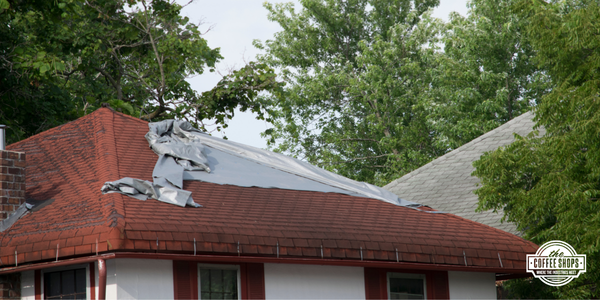
Once you understand which policy you have, it’s time to take a look at what type of damage is covered. Most homeowner insurance policies cover what is considered “sudden and accidental” damage. This type of damage can come from a variety of sources, including wind, hail and falling tree limbs. What this doesn’t include is maintenance for normal wear and tear to your roof due to aging. In general, if a severe storm or event comes through your area and leaves your roof damaged, it’s worth it to look into filing an insurance claim.
So, how do you apply this knowledge to real life situations? Once a storm has passed and it is safe, walk around your home and assess the state of the structure, both inside and outside. Look for issues like missing shingles or water leaks in ceilings or walls. If you see any of these signs, start taking pictures of them, note the dates and times, and keep your feet on the ground!
While it might be tempting to get a better look at the roof, it is important that you call a licensed roofer for any further inspection. Roofs that have been damaged after a storm or other event can be extremely dangerous. Getting on the roof yourself not only poses a risk to your safety but can also exacerbate existing damage. Additionally, having that professional perspective can help your claim. As the team at the Third Estimate puts it, “[Professional roof inspection] documentation helps ensure the insurance adjuster has a complete picture of the damage.”
Once you have collected all the photos, testimonies and records into one claim file, you’re ready to send it off to your insurance. If you’re worried about what happens if they say no, check out this article all about handling denied roof insurance claims.
Have a question? AskARoofer.
Find your local roofing contractor in the AskARoofer™ Contractor Directory.
About the author

Emma is the senior content developer at The Coffee Shops and AskARoofer™. When she's not working or overthinking everything a little bit, she enjoys watching movies with friends, attending concerts and trying to cook new recipes.
Recommended For You

Top 3 Questions to Ask Before Your Roof Replacement
Read More ...
Learn the In's and Out's of Roof Flashing
Read More ...
Do You Know the Terms of Your Commercial Roof Warranty?
Read More ...





Comments
Leave a Reply
Have an account? Login to leave a comment!
Sign In