



Roof and HVAC: How one affects the other
By Cotney Consulting Group.
What homeowners need to know about this overlooked connection.
When homeowners think about comfort, they often separate the systems that keep them cool in summer and warm in winter from the materials that shield their homes from the elements. But your roof and HVAC system are more connected than you might think. A poorly ventilated attic, an aging rooftop unit or even the wrong insulation can force your HVAC system to work overtime and cost you more energy bills and repairs.
Let's break down the relationship between your roof and your HVAC system and how smart upgrades in one area can improve performance in the other.
1 - Attic ventilation impacts HVAC efficiency
Attic ventilation is one of the most direct connections between your roofing system and HVAC performance and when a roof is poorly ventilated, heat and humidity build-up in the attic. In the summer, this trapped heat radiates downward, making your HVAC system work harder to keep your living spaces cool. In winter, it can lead to condensation that damages insulation, leading to energy loss and poor temperature control.
Proper ridge vents, soffit vents and attic fans help move air through the attic, keeping it close to the outdoor temperature and relieving your HVAC system of extra burden.
2 - Roofing insulation matters more than you think
Insulation isn't just for walls and attics. It's a key component of your overall roofing system. Roofing insulation acts as a thermal barrier, particularly in low-slope or flat roofs. Without it, HVAC systems must compensate for extreme heat loss in winter and heat gain in summer.
New roofing upgrades often include improved insulation values (R-values), which can immediately reduce heating and cooling costs.
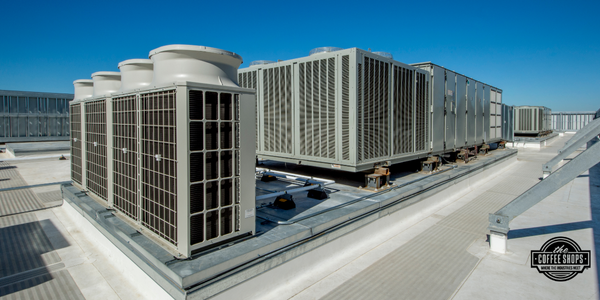
3 - Rooftop HVAC units depend on roof condition
If you have a commercial building or a home with a packaged HVAC unit mounted on the roof, the condition of your roofing system is critical. Leaks, membrane wear or ponding water around the unit can:
- Accelerate corrosion
- Shorten equipment life
- Lead to HVAC shutdowns during storms
Roofers and HVAC technicians should coordinate to ensure curbs are properly flashed and sealed, especially during roof replacements or when moving equipment.
4 - Replacing a roof? Protect the HVAC system
During a roof replacement project, homeowners often forget to consider how the process may affect their HVAC unit, especially if it's in the attic or mounted on the roof.
Debris, vibration and lack of protection during the tear-off phase can lead to clogged coils or damaged components. Talk to your roofer about shielding your unit and verify whether ducts or rooftop curbs need adjustment to match the new roofing system height.
5 - Roof color and material can affect indoor temps
Believe it or not, the color and material of your roof can influence how hard your HVAC system has to work. Light-colored or reflective roofing materials can reduce the "heat island" effect on your home, lowering attic temperatures. On the other hand, dark asphalt shingles in direct sun may raise attic temps by 40°F or more.
Cool roof technology (such as reflective coatings or materials with high solar reflectance) is becoming more common in warmer climates.
Roofer's advice: Think of your roof and HVAC as a team
Your roofing and HVAC systems should work in harmony. If you're considering a major upgrade to one, don't forget to consult the other. Coordinating improvements like adding attic ventilation, upgrading insulation or ensuring rooftop HVAC equipment is well-supported can significantly extend the life and efficiency of both systems.
Do you have questions about how your roof affects your energy bills or indoor comfort? Reach out to a qualified roofing contractor who understands how the full building envelope works together. Your HVAC system and your wallet will thank you.
Learn more about Cotney Consulting Group in their Coffee Shop Directory or visit www.cotneyconsulting.com.
Recommended For You

Top 10 expert articles of 2025!
Read More ...
Earthquake roofing safety: How to shake it off
Read More ...
Q & A - Dutch Gutters, Why Do My Gutters Clog?
Read More ...




Comments
Leave a Reply
Have an account? Login to leave a comment!
Sign In