



Q&A – Water shedding and bird stop holes
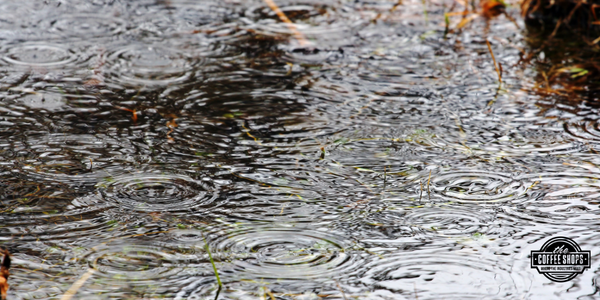
This Florida homeowner asked our experts for advice about how their roof was handling the rain.
Protecting a home from the flow of percipitation is one of the primary jobs of a roof, but to do that successfully it must be designed to shed water properly. When Casey noticed their roof was shedding water oddly, they reached out. This is what they asked:
I just had new tile roof installed. When it rains water comes out faster through the bird stop holes than shedding off of roof. Water is getting under the tiles.
Below is what our roofing expert John Kenney from Cotney Consulting had to say in response:
Casey, some water entering beneath a tile roof is actually normal. Unlike asphalt shingles or metal roofing, most tile roof systems are designed as a water-shedding system, not a completely waterproof surface. Wind-driven rain and small amounts of water can get beneath the tiles, which is why the underlayment is the primary waterproofing layer.
What concerns me is your description that water appears to be coming out of the bird-stop openings faster than it is shedding from the roof surface. Bird stops are designed to keep birds and debris from entering beneath the tiles while still allowing drainage and airflow. During heavy rain, it is not unusual to see some water exiting through these openings, but excessive flow can indicate a problem.
Possible causes include:
- Improper tile installation or alignment
- Inadequate headlap or side lap between tiles
- Underlayment drainage issues
- Excessive water is being directed beneath the tiles from flashing or valley details
- Roof slopes or drainage patterns that are causing water to travel under the tile system
The most important question is whether water is making it past the underlayment and into the structure. If there are no signs of leaks, stains or moisture inside the home, the system may simply be managing water differently than you expected. However, because the roof is new, I would have the installing contractor inspect the affected areas and verify that the tile layout, flashings, bird stops and drainage details were installed in accordance with the tile manufacturer's requirements.
Some water under the tile is normal. Large volumes of water exiting through bird stop openings are not always a problem, but on a newly installed roof, they deserve further evaluation. I would document the condition with photos and videos during rainfall and request an inspection from the installing contractor to confirm the roof is performing as designed.
Have a question? AskARoofer.
Find your local roofing contractor in the AskARoofer™ Contractor Directory.
Recommended For You
Q&A – Looking for a way to prevent rusting
Read More ...
Q&A – Solution Percentage for Asphalt Shingle Cleaning
Read More ...
Q & A - Dutch Gutters, Why Are They Still Around?
Read More ...




Comments
Leave a Reply
Have an account? Login to leave a comment!
Sign In