



Q&A – Spray foam in an attic
With a question about the viability of a new build roof fix, this individual reached out for some extra opinions.
 Nunzio from Georgia, recently sent our experts this question:
Concerned about viability of fix for roofing install on new build. The attic is scheduled to be conditioned space. The framing is done and the roof has shingle underlayment installed. The framer cut the ridge line for a ridge vent install, typical for this builder. We ask for the change to conditioned attic space via spray foam.
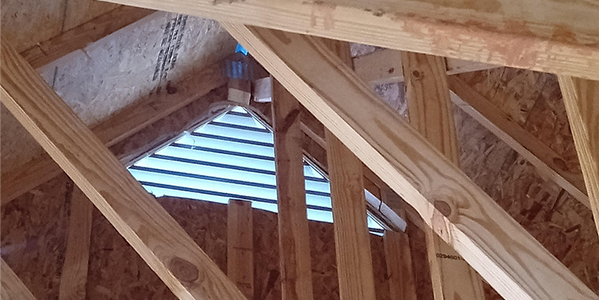
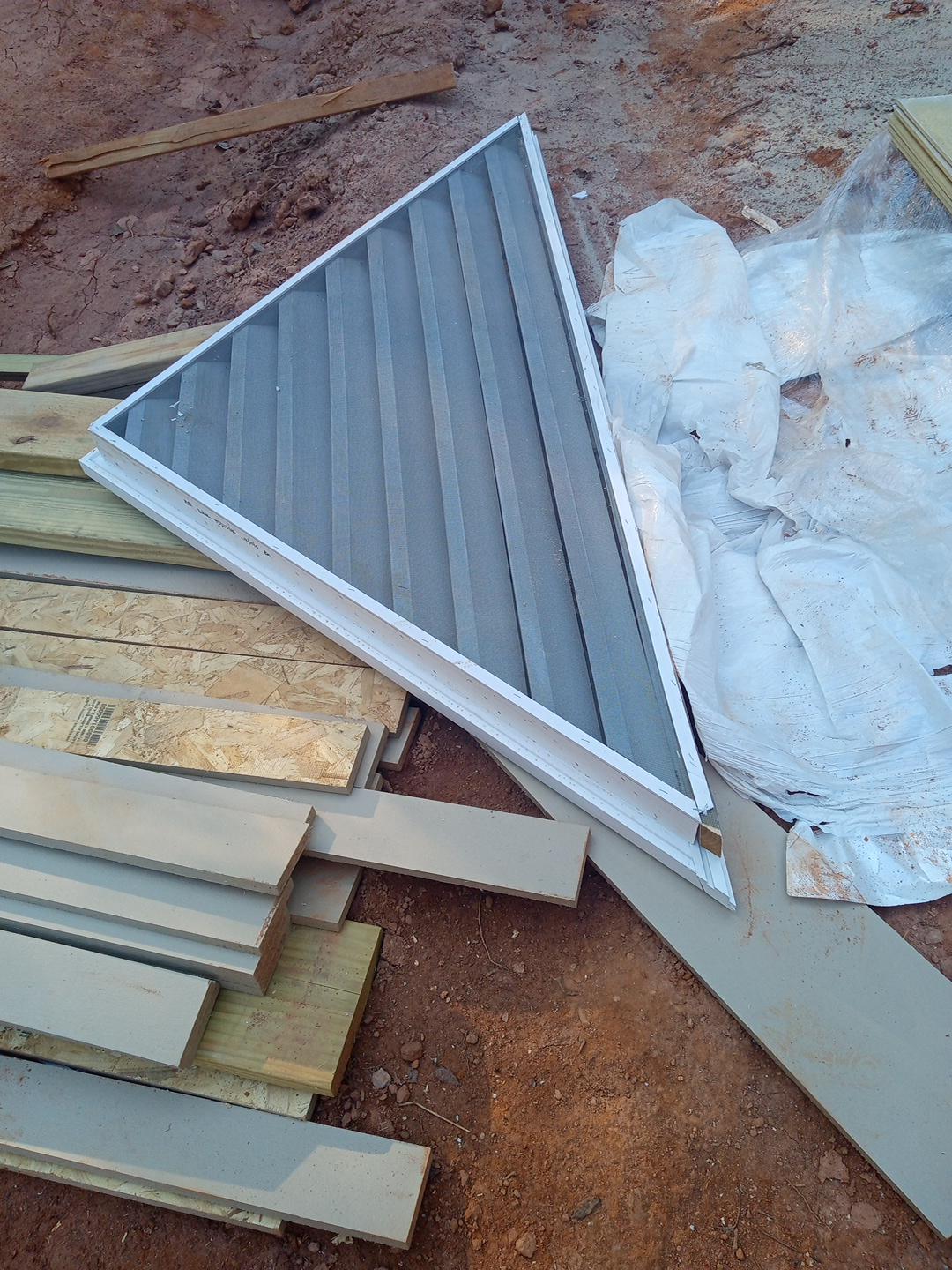
The builder is telling us ther is no issue with spraying across the narrow ridge vent void and it will "not" be an issue for the shingle install specifically the install of ridge cap shingles. Additionally the faux gable vents are not faux but will be sealed from inside with OSB. Is this true if not what is the correct "code" or "workmanship" fix and who can I enlist to help me? Building inspector?
One of our resident roofing experts, John Kenney of Cotney Consulting Group, responded, saying:
If you're converting the attic to a conditioned, unvented space with spray foam at the roofline, the ventilation details need to match that design. That includes the soffit, gable and ridge openings.
My main concern is the existing ridge slot. Spraying foam across that opening from below may close the air path, but it does not automatically make the exterior roof detail acceptable. The shingle manufacturer details I reviewed show ridge cap shingles installed over either solid roof decking or a manufactured ridge vent that spans the cut opening. I would not be comfortable with ridge cap shingles simply bridging an open slot unless the shingle manufacturer specifically approves that condition.
If the ridge vent is being eliminated, the better approach is typically to restore the ridge to a proper non-vented condition by closing the slot with compatible roof decking, securing that repair correctly, restoring the underlayment and then installing the ridge cap shingles over the completed surface. The exact repair should follow the shingle manufacturer’s requirements and may also need review by the building official or structural designer because the ridge decking has already been cut.
The gable vents also need to be permanently sealed if the attic is becoming conditioned space. Covering them from the inside with OSB may be part of that solution, but the complete detail still needs to address air sealing, moisture control and exterior weather protection.
I would ask the builder for the exact unvented-attic detail they intend to follow and written confirmation from the shingle manufacturer that the proposed ridge condition is acceptable. I would also involve the local building inspector before the roof is completed if there is any disagreement.
The key point is that converting the attic to an unvented conditioned space and properly restoring the roof ridge are two separate issues. Spray foam can address the attic side, but it does not by itself replace the roof decking or ridge-vent assembly that normally supports the ridge cap shingles.
Have a question? AskARoofer.
Find your local roofing contractor in the AskARoofer™ Contractor Directory.
Recommended For You
Q&A – Gap in insulation
Read More ...
Cedar Shingle Roofs, How Many Bundles Make a Square?
Read More ...
Contractor Insights: Austin Bettin, Premier Systems, Inc.
Read More ...




Comments
Leave a Reply
Have an account? Login to leave a comment!
Sign In