



Q&A – A low-slope bleed out
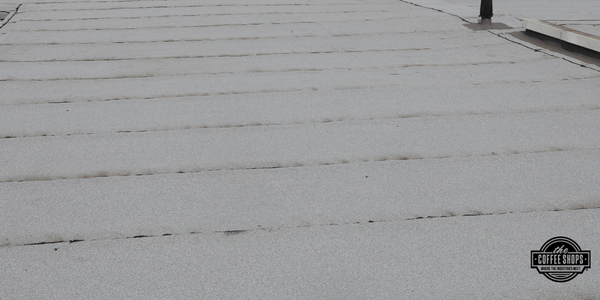
A homeowner with a flat roof came to our experts to ask about bleed out.
Adam from California was looking at their modified bitument roof and had some questions about the seams. They asked:
I have a house with a flat roof. It has a modified bitumen torch applied cap layer. In most places, there is non-existent or insufficient bleed out between seams. What is the recommended mitigation for this? Polyester strips at all seams? Using the same cap layer in strips over all seams? Applying something like Armor Flex Silicone Membrane over the entire roof?
Below is what our roofing expert John Kenney from Cotney Consulting had to say in response to Adam's question:
Adam, insufficient bleed-out at modified bitumen seams is something to take seriously because the bleed-out is visual confirmation that the seam reached proper fusion during torch application. Without it, seams can become vulnerable to water infiltration over time.
That said, before jumping to a coating system, the first step is determining whether the seams are actually failing or simply have minimal visible bleed-out from conservative torching. A qualified contractor should probe and test the laps to verify bond integrity.
The repair approach also depends on whether your cap sheet is smooth-surface or granule-surfaced modified bitumen.
- If it’s a smooth-surface cap sheet, deficient seams can often be successfully heat-welded and reinforced using compatible modified bitumen repair strips or cap sheet strips.
- If it’s a granule-surfaced cap sheet, the granules must first be embedded, removed or properly prepared in the repair area so the new material can achieve proper adhesion and watertightness.
In most cases, I prefer repairing suspect seams with compatible modified bitumen materials rather than relying on polyester fabric and coatings alone. Reinforced liquid-applied systems can work in certain restoration situations, but they should not be used as a substitute for correcting poor seam attachment.
I also would not immediately recommend a full silicone coating system like Armor Flex unless the entire roof is being evaluated as a restoration project. Coatings should enhance a sound roof assembly—not compensate for weak seams.
Bottom line:
- Verify whether the seams are truly unbonded or simply lack visible bleed-out
- Repair deficient seams with compatible modified bitumen materials
- Granule-surfaced caps require proper surface preparation before repairs
- Don’t rely on coatings alone to solve seam attachment issues
- Have the roof evaluated by a qualified modified bitumen contractor or manufacturer’s representative before choosing a full restoration system
That inspection will tell you whether you’re dealing with isolated seam deficiencies or a larger roof restoration situation.
John Kenney is the CEO of Cotney Consulting Group. Read his full bio here.
Recommended For You
What is an OGEE Gutter?
Read More ...
Q & A - Do I Need a Contract With My Roofer?
Read More ...
Q&A – Should I Install Ridge Vents?
Read More ...




Comments
Leave a Reply
Have an account? Login to leave a comment!
Sign In