



Q&A - The correct flashing
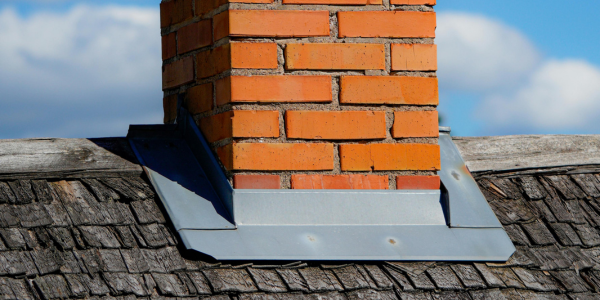
After a recent roof repair, one California home-owner shared their concerns about waterproofing.
California home-owner, Todd, wrote in to our experts to get advice after he had misgivings with the outcome of a roof repair.
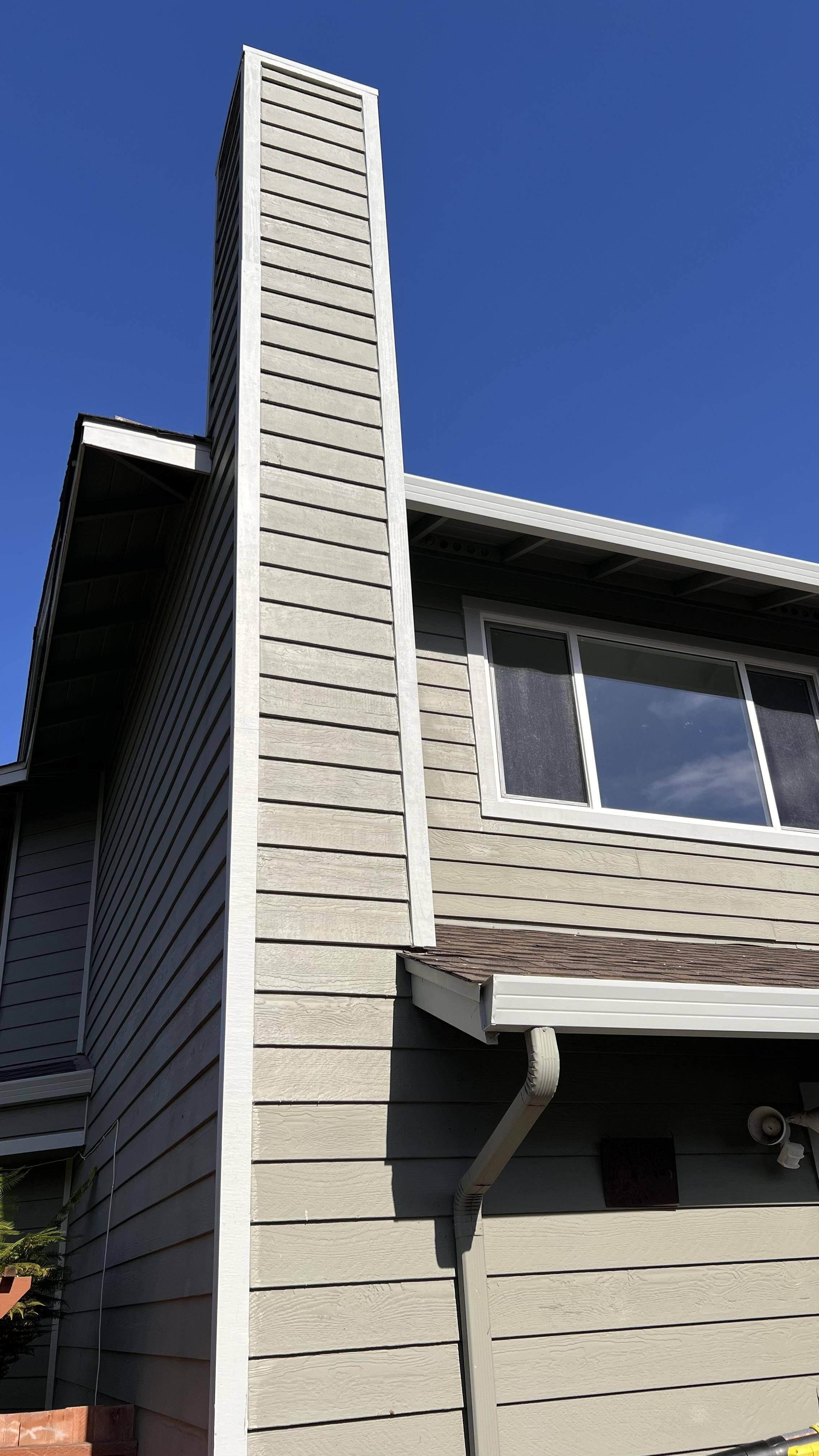 We just had some trim replaced around our chimney and I noticed that the cut was rough and ragged for the replacement trim and left an area exposed. There is metal flashing up against the chimney, and the workers put an underlayment over the metal flashing. My question is should or could there be a second flashing over this area to protect the chimney and the roof?
Roofing expert John Kenny from Cotney Consulting Group had this to say in response:
After looking at the photos, I do have some concerns with the workmanship at this roof-to-chimney transition.
The trim cut appears rough, and there is an exposed area where the roof terminates against the chimney. While the trim itself is primarily cosmetic, the waterproofing depends on the flashing system behind it. I can also see what appears to be exposed step flashing at the lower corner, which should typically be concealed and properly integrated with both the roofing and the wall covering.
A properly flashed chimney should have step flashing woven in with each course of shingles and counterflashing or another approved wall flashing detail that prevents water from getting behind the flashing. The underlayment is an important secondary layer, but it should not replace proper flashing.
Based on these photos, I can't determine exactly what's behind the siding or trim, so I can't say another layer of flashing is required. However, I do believe the contractor should review this detail with you. At a minimum, I'd want confirmation that the flashing is continuous, properly lapped, and extends behind the weather-resistant barrier in accordance with the roofing manufacturer's installation instructions.
Bottom line:
The rough trim cut is a workmanship issue that should be corrected. More importantly, I'd ask the contractor to demonstrate that the flashing system, not caulk or trim, is providing the waterproofing. If there is any doubt about how this transition was detailed, now is the time to address it while the work is still under warranty rather than waiting for a leak to develop.
Have a question? AskARoofer.
Find your local roofing contractor in the AskARoofer™ Contractor Directory.
Recommended For You
Q & A - Roof Transitions, Matching Up Courses
Read More ...
Q&A - What do I Need to Know About Installing a Metal Roof on an RV Shop?
Read More ...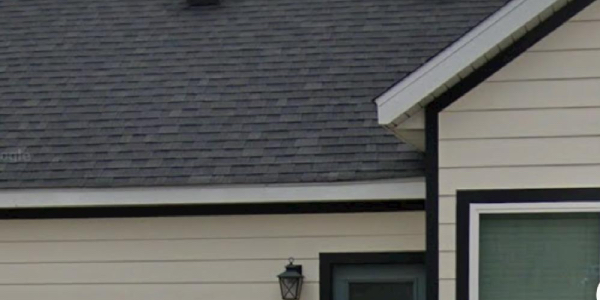
Q&A – Why do some homes not have gutters?
Read More ...




Comments
Leave a Reply
Have an account? Login to leave a comment!
Sign In