



Protecting your roof from hail damage

By Fields Roof Service.
Roof condition, materials and hail size all affect how well a roof performs.
Hailstorms can leave homeowners questioning whether their roof held up or suffered hidden damage. Even brief storms can impact roofing systems in different ways depending on hail size, wind speed and roofing materials. At Fields Roof Service, we routinely evaluate roofs after severe weather and want homeowners to understand which hail conditions are most likely to cause damage and how to reduce the risk before the next storm hits.
The size of the hail
Hailstones range in size from small pellets (around 1/4 inch in diameter) to massive stones as large as softballs (over 4 inches in diameter). Typically, hail needs to be at least 1 inch in diameter, about the size of a quarter, to cause noticeable damage to asphalt shingles or other roofing materials. Larger hailstones can dent, crack or even puncture roofing systems, leaving them vulnerable to water intrusion.
The material of your roof
The material of your roof significantly influences how it responds to hail.
- Asphalt shingles: The most common roofing material, but vulnerable to granule loss. When granules are dislodged, shingles lose their UV protection and age faster.
- Metal roofing: Durable but may sustain cosmetic dents.
- Tile roofing: Strong but brittle when struck by large hailstones, making cracks a common issue.
Each roofing material reacts differently to hail impacts, which also determines the type and extent of repairs required.
Impact velocity and angle
Hailstones don’t always fall straight down. Strong winds can propel them at an angle, increasing the force of impact. Combined with velocity, angled hail strikes can significantly worsen roof damage. Larger hailstones driven by high winds are especially destructive.
The condition of your roof
The age and condition of your roof play a major role in its ability to withstand hail. A well-maintained, newer roof is more resilient, while older or neglected roofs are far more likely to sustain severe damage. Routine inspections and timely repairs extend your roof’s durability and reduce its vulnerability during hailstorms.
Preventative measures and immediate action
To safeguard your home, schedule regular roof inspections and address any vulnerabilities before storm season. After a hailstorm, don’t wait. Inspect your roof or contact a roofing professional. Early detection of damage can prevent costly repairs and protect your home from water infiltration.
Original article and photo source: Fields Roof Service
Have a question? AskARoofer.
Find your local roofing contractor in the AskARoofer™ Contractor Directory.
Recommended For You
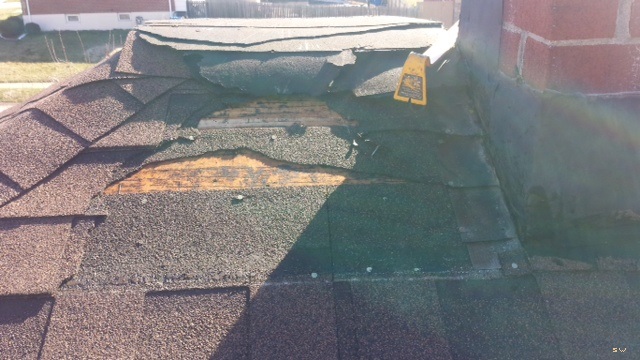
Q & A - Do I Need Tar Paper Under My Shingles?
Read More ...
Tackling a gravel roof
Read More ...
Consider Asphalt Shingles for Your Roofing Needs
Read More ...





Comments
Leave a Reply
Have an account? Login to leave a comment!
Sign In