

Is it time to call the professionals?
By Emma Peterson.
Getting a proactive roof inspection is key to avoiding catastrophic roof damage.
Too often, we care for the roof above our head reactively, after something starts leaking or a storm sends a tree branch into the shingles, and we start scrambling to find a roofer. And while some events, like that dangerous tree branch, can come out of nowhere, others can be prevented through proactive roof care. And the core of proactive roof care is regularly having professionals out to assess the state of your roof.
Greenwood Industries’ Nick Andreozzi explains why this is so necessary, sharing, “From the customer’s point of view, the risk of waiting always seems small at first. But moisture spreads very easily, and what starts as a minor issue can turn into a much larger structural situation if it’s ignored.”
What to look for
So, when do you need to make that call? One of the first things to look for is attachment issues on the roof. This is something that naturally happens over time due to exposure to wind and other elements. But it is important to catch it early, as early repairs can keep a localized issue from turning into a larger system failure.
On residential roofs, attachment issues can look like loose or lifting shingles. On commercial, it’s delamination and loose membrane edges. Nick described, “When you’re walking a commercial roof and you can actually see the scrim, or the EPDM membrane looks loose or lifting, that’s a red flag.” Make sure to check the flashing around roof penetrations (pipes, pitch pockets, etc.) as they are a common place where attachment issues can appear due to frequent movement and exposure.
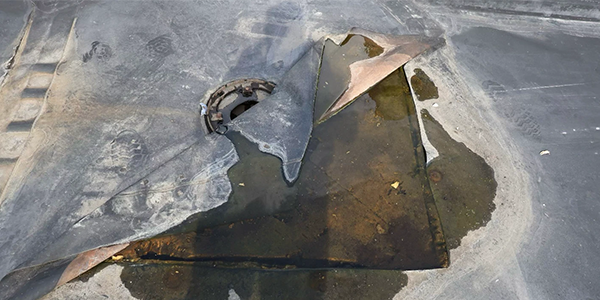
Another thing to keep an eye on, especially with commercial roofing, is the way water is draining off a roof. Trapped water on a roof, also known as ponding water, is often a sign of larger issues, like material breakdown or a hidden leak. By calling for a professional inspection, you can address any drainage or moisture concerns before they lead to long-term roof damage.
Prioritizing proactive care
Overall, most expensive, dangerous and disruptive roofing problems started as a small condition that was fixable if it had been addressed early. As Nick put it, “A common mistake we see year after year is delaying known repairs or relying on temporary fixes. Roofing systems rarely improve on their own, and water intrusion tends to grow quietly before becoming visible.”
Have a question? AskARoofer.
Find your local roofing contractor in the AskARoofer™ Contractor Directory.
Recommended For You

Winter roof warning signs every homeowner should know
Read More ...
Lengthen Your Roof Life With a Tile Lift and Relay
Read More ...
Kimball Jenkins Mansion Undergoes Restoration
Read More ...





Comments
Leave a Reply
Have an account? Login to leave a comment!
Sign In