



How to stop a roof leak before damage spreads
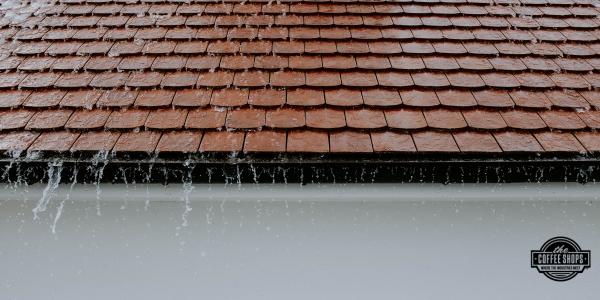
By Jesse Sanchez.
Learn what immediate steps to take and how professional repair services prevent small leaks from becoming major structural problems.
Roof leaks rarely stay contained. In climates shaped by steady rain and prolonged moisture, companies like Fields Roof Service regularly see how a single breach can quickly extend beyond the roof surface, reaching insulation, ceilings, walls and even nearby electrical systems. What starts as a minor drip can escalate within hours, making response time a defining factor in how much damage occurs and how costly repairs become.
That reality places immediate pressure on the first steps property owners take. Interior containment, placing a bucket beneath the leak and clearing nearby furnishings, helps limit short-term damage. At the same time, attempting to access a wet roof introduces unnecessary safety risks. In most situations, the more effective path is to contact a licensed roofing professional equipped to locate the source and stabilize the issue without compounding the problem.
The need for that expertise becomes clearer when considering how leaks develop. Over time, repeated exposure to rain, seasonal storms and sustained moisture begins to wear down roofing systems. Shingles can loosen or go missing, flashing around vents and chimneys may deteriorate and sealants at penetration points can crack. In other cases, aging materials or blocked drainage areas allow water to accumulate, increasing the likelihood of intrusion.
Compounding the issue, leaks are not always immediately visible. Early indicators often appear gradually; water stains on ceilings or walls, intermittent dripping during storms, damp attic insulation or peeling paint near ceiling corners. In some cases, a persistent mildew odor may be the first sign of hidden moisture. Identifying these warning signals early allows for intervention before the damage progresses into structural components.
When professionals arrive on-site, the focus shifts from symptom to source. A comprehensive inspection of both the roof and attic helps trace how water is moving through the system. If active weather conditions persist, temporary measures may be used to control intrusion and stabilize the interior. From there, technicians follow the water path back to its origin, which is often separate from where the leak becomes visible inside.
Permanent repairs are then carried out with that full context in mind. Replacing damaged shingles, resealing flashing and vents, repairing underlayment or correcting drainage issues all work toward restoring the roof’s ability to shed water effectively. By addressing the root cause rather than the visible damage alone, the repair is designed to hold under future conditions.
Delaying that process allows water to continue migrating through the structure, increasing the risk of mold growth, wood rot, electrical hazards and long-term deterioration. Because roofing systems function as integrated assemblies, effective repair depends on restoring performance across all connected components, not just the point where the leak first appears.
Have a question? AskARoofer.
Find your local roofing contractor in the AskARoofer™ Contractor Directory.
About the author

Jesse is a writer for The Coffee Shops. When he is not writing and learning about the roofing industry, he can be found powerlifting, playing saxophone or reading a good book.
Recommended For You
What to do when the water starts rising: Emergency roof leak repair tips
Read More ...
Q&A – Pros and Cons of Overlay Versus Tear Off
Read More ...
7 Signs You Need A New Roof
Read More ...




Comments
Leave a Reply
Have an account? Login to leave a comment!
Sign In