


How drip edge protects a roofing system
By Jesse Sanchez.
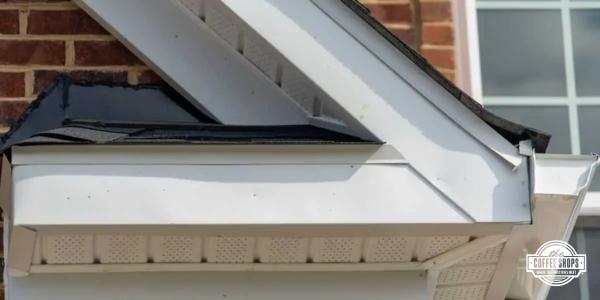
This small metal flashing helps direct water away from vulnerable roof edges and into the gutter system.
According to O’Donnell Roofing, drip edge may be a small part of a roofing system, but it plays an important role in protecting a home from water intrusion, wood rot and premature roof failure. Installed along the eaves and rakes, drip edge is a metal flashing designed to direct rainwater away from the fascia and into the gutters. Without it, water can move beneath the shingles and expose the fascia boards, roof decking and attic to moisture. Drip edge can also support the edges of shingles, help prevent curling or sagging and close small gaps where pests could enter.
Residential roofing systems commonly use three drip edge profiles. Type C, also called L-style drip edge, has a simple L-shaped design and is often used on straightforward roof structures. Type D, sometimes called T-style or D-metal, has an extended lower flange that moves water farther from the fascia. Type F, also known as a gutter apron, extends farther into the gutter and can be useful when upgrading an existing roof edge without removing shingles.
Material selection can also affect performance. Aluminum is lightweight and suitable for many homes, while steel offers added strength for harsher conditions. Copper is often selected for premium projects or historic restorations.
Proper installation is essential. At the eaves, drip edge should be placed beneath the underlayment. Along the rakes, it should be installed over the underlayment. Sections should overlap by at least one to two inches in the direction of water flow, and corrosion-resistant fasteners should be spaced every eight to 10 inches.
During roof inspections, homeowners should watch for loose or missing sections, corrosion, improper placement and gutters that do not align with the roof edge. Addressing these issues early can help prevent more extensive damage.
Learn more about O’Donnell Roofing Co. and schedule a free roof inspection and estimate!
Have a question? AskARoofer.
Find your local roofing contractor in the AskARoofer™ Contractor Directory.
About the author

Jesse is a writer for The Coffee Shops. When he is not writing and learning about the roofing industry, he can be found powerlifting, playing saxophone or reading a good book.
Recommended For You
Why homeowners shouldn’t ignore gutter maintenance
Read More ...
What is an OGEE Gutter?
Read More ...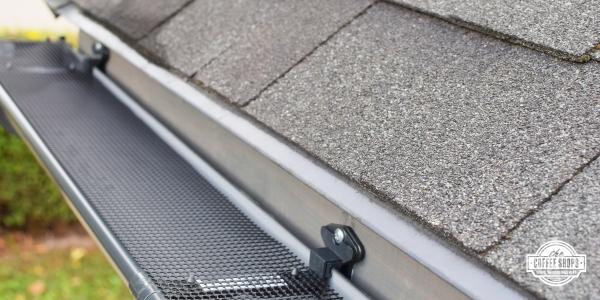
Choosing gutters that can stand up to heavy rain
Read More ...





Comments
Leave a Reply
Have an account? Login to leave a comment!
Sign In