



How deferred roof maintenance spreads damage through a building
By Cotney Consulting Group.
The most economical roof problem is usually the one addressed before it has the chance to spread.
A small roof problem rarely stays small. What begins as loose flashing, a blocked drain, a minor puncture or an open seam can eventually affect insulation, decking, ceilings, walls, electrical systems, equipment and normal building operations. The damage often spreads slowly enough that the owner does not realize how far it has traveled until the repair becomes much larger than expected.
That is the real cost of deferred roof maintenance. The real problem is not only that the original condition remains unresolved. It is that the damage is beginning to spread beyond the roof. For homeowners and commercial building owners, understanding how that progression happens is one of the best reasons to address roof maintenance early.
Small openings allow water into the system
Most serious roof problems do not begin with a large opening. They begin with something small. A cracked pipe boot, loose fastener, open seam, deteriorated sealant or damaged flashing may initially allow only a limited amount of water into the roof assembly.
During light rain, the condition may not produce a visible interior leak. The water may be absorbed by insulation, trapped between layers or directed away from occupied spaces. That can create the impression that nothing is wrong. But once water enters the roofing system, the building has already lost part of its protection. Each additional storm may add more moisture and expand the affected area. By the time water becomes visible inside, the original defect may have been active for weeks or months.
Wet insulation can spread the problem
Insulation is designed to control heat transfer, not to serve as a water reservoir. When roof insulation becomes wet, it can hold moisture and allow it to migrate away from the original opening. On low-slope commercial roofs, water may travel through insulation joints or collect in low areas. The interior leak may appear far from where the water first entered.
Wet insulation also loses thermal performance. That means the building may become harder and more expensive to heat or cool. In colder climates, trapped moisture may freeze and expand. In warmer conditions, repeated heating can increase vapor movement within the roof assembly. Even if the surface opening is repaired, wet insulation may continue causing problems until the affected material is identified and removed. This is why a surface patch does not always complete the repair.
Roof decking can deteriorate over time
The roof deck supports the roofing system and transfers loads into the structure. Repeated exposure to moisture can weaken that deck. Wood decking may swell, delaminate, rot or lose its ability to hold fasteners. Steel decks may corrode. Gypsum and other deck materials may soften, deteriorate or lose strength.
The damage may remain hidden beneath the roofing system until a repair or replacement project begins. At that point, what appeared to be a simple surface repair may require removal of wet materials and replacement of damaged decking. The longer the condition remains active, the larger the affected area can become. This is one reason contractors may not be able to determine the full repair cost from the surface alone. Some damage remains concealed until the roof assembly is opened.
Fasteners and metal components can corrode
Moisture trapped within a roof assembly can affect more than insulation and decking. Fasteners, plates, edge metal, flashing and structural components may begin to corrode. Corrosion weakens attachments and can reduce the roof's ability to resist wind and movement.
On metal roofing systems, water may enter at laps, fasteners or penetrations and spread beneath the panels before becoming visible. On commercial roofs, corrosion at the deck or fastening system may remain hidden until the membrane is removed. What began as a leak can eventually become an attachment and structural concern. That increases both the cost and complexity of the repair.
Interior finishes often show the damage last
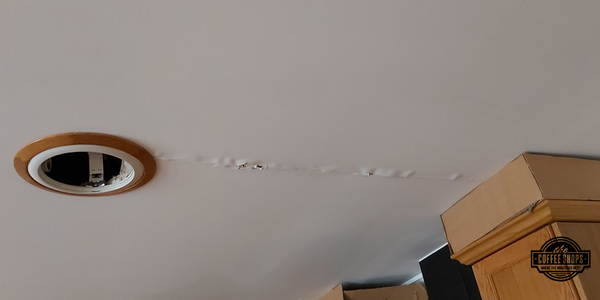
Ceiling stains are often the first sign owners notice, but they may be one of the last stages in the moisture path. Before water reaches the ceiling, it may have already passed through roofing materials, insulation, decking and framing.
By the time the stain appears, the damage may be more extensive than the visible mark suggests. Drywall can soften, ceiling tiles can sag and paint can bubble or peel. Wall finishes may discolor and flooring, furnishings or stored materials may also be affected. Replacing the stained material does not solve the problem if the roof remains open to water. Interior restoration should follow a confirmed roof repair, not replace it. Otherwise, the same stain may return after the next storm.
Moisture can affect electrical and mechanical systems
Water inside a building creates risks beyond cosmetic damage. Electrical wiring, lighting, controls and equipment may be located above ceilings or near the path of the leak. Even a small amount of water can create safety concerns when it reaches energized components.
Commercial buildings may have communication systems, fire alarms, security equipment and data cabling in the ceiling space. Healthcare, manufacturing and technology facilities may contain sensitive systems that cannot tolerate moisture.
Roof leaks may also affect HVAC equipment, ductwork and insulation. If water enters near a rooftop unit, it may be difficult to determine whether the source is the roof, the equipment or both. The cost of repairing the roofing condition can be minor compared with the cost of damaged equipment or interrupted operations.
Mold-like growth can develop in damp areas
Persistent moisture can create conditions that support mold-like growth. This may occur in insulation, ceiling tiles, drywall, wood framing or other porous materials. The presence, type and extent of growth should be evaluated by qualified professionals when necessary. The important point for property owners is that delayed roof repairs allow damp conditions to continue.
Once moisture-related growth spreads beyond the original leak area, cleanup and restoration can become more complicated. The solution must include correcting the water source, removing damaged materials when required and allowing the area to dry properly. Cleaning the visible surface without stopping the moisture does not solve the underlying problem.
Drainage problems can accelerate deterioration
Deferred maintenance often involves drainage. Leaves, debris, loose materials and vegetation can block gutters, drains and scuppers. When water cannot properly drain off the roof, it remains in contact with seams, flashing and penetrations longer than intended.
Ponding water increases the likelihood that an existing weakness will begin to leak. It can also increase roof load and accelerate material deterioration. On residential buildings, overflowing gutters may direct water behind fascia, into soffits or against exterior walls and foundations. On commercial roofs, blocked drainage may affect a large area before anyone notices. Cleaning drainage systems is one of the simplest maintenance tasks, yet postponing it can create damage far beyond the drain itself.
Flashing damage can reach walls and structure
Flashing protects the transitions between the roof and other parts of the building. When flashing is loose, cracked or improperly sealed, water may enter behind walls, parapets, chimneys or rooftop curbs. That moisture can damage sheathing, framing, masonry and interior finishes.
Because the water may remain concealed within the wall, the problem can continue for a long time before becoming visible. Staining may eventually appear around windows, ceilings or lower wall areas, making the source difficult to identify. The repair may then require coordination between roofing, masonry, siding or waterproofing contractors. Addressing a flashing problem early is usually far less expensive than repairing both the roof and the wall assembly later.
Repeated temporary repairs can hide the real condition
Temporary repairs are sometimes necessary during storms or emergencies. The problem begins when temporary work is allowed to remain indefinitely. Layers of sealant, roofing cement, tape or patch material can conceal the original condition and make future diagnosis more difficult.
The roof may appear repaired while water continues to enter beneath the surface. Repeated patching may also trap moisture within the assembly. Eventually, a contractor may have to remove several layers of material to determine what is underneath. A temporary repair should be documented and followed by a permanent correction when conditions allow. Without that follow-up, the owner may be delaying the problem rather than solving it.
Damage from other trades can go unnoticed
Roof maintenance is not limited to normal aging and weather exposure. HVAC technicians, electricians, plumbers, solar installers and other trades may damage the roof while working on equipment. A dropped tool, an open penetration, a sharp metal edge or an improperly placed support can puncture or wear the roofing system.
If no one inspects the roof afterward, the condition may remain hidden until water enters the building. By then, it may be difficult to determine who caused the damage. Controlled roof access, work logs and post-work inspections help prevent this kind of loss. Owners should treat any rooftop work as potentially affecting the roofing system, even when the roofing contractor is not directly involved.
Deferred maintenance increases repair scope
The cost of maintenance is usually tied to the size of the problem. A small flashing repair may involve limited labor and materials. If the same condition is ignored, the eventual repair may require removing the roof membrane, replacing wet insulation, repairing the deck, restoring interior finishes and coordinating with other trades.
The original defect may still be small. The expensive part is the damage that developed around it. At that point, the contractor is no longer repairing only the original defect. The work now includes the damage created by leaving it unresolved.
Business interruption can become the largest cost
For commercial properties, the most expensive part of a roof problem may not be the roof repair. Water entering a retail store can damage merchandise and disrupt customers. A leak in an office may force employees to relocate. A school may need to close a classroom. A healthcare facility may have to protect patients, equipment and sensitive areas.
Manufacturing operations may stop if water reaches machinery, inventory or electrical systems. Hotels and apartment buildings may need to move occupants while repairs are completed. These indirect costs can far exceed the cost of routine maintenance. A small roof issue becomes a business problem when it affects how the building is used.
Maintenance records help identify patterns
Deferred maintenance is more likely when owners lack a clear roof history. Without inspection reports, photographs and repair records, it becomes difficult to know whether a condition is new or recurring. A roof may be patched several times in the same area without anyone recognizing the pattern.
Good documentation allows the owner and contractor to compare conditions over time. It can reveal an increasing frequency of repairs, recurring drainage issues or damage caused by other trades. That information helps determine whether maintenance is still appropriate or whether a larger repair or replacement should be planned. Records turn individual service calls into a roof management program.
Early action gives owners more control
Addressing a roof problem early gives the owner more options. The work can often be scheduled during normal hours and favorable weather. Contractors can inspect the condition, prepare a clear proposal and coordinate access without the pressure of an active interior leak.
When maintenance is delayed until an emergency, the choices become more limited. The owner may need immediate temporary protection, after-hours service, interior cleanup and rapid approvals. Material availability and weather may also affect how quickly permanent work can be completed.
Planned maintenance gives the owner greater control over timing, cost and communication. Emergency repairs rarely do.
Maintenance protects more than the roof
Roof maintenance is not only about extending the life of the roofing material. It protects insulation, decking, walls, ceilings, equipment, electrical systems and the people and operations inside the building.
A minor condition may not seem urgent when there is no visible leak. But the absence of an interior stain does not mean the roof assembly is dry. Regular inspections and timely repairs help prevent damage at its source. That is always easier than repairing the path it creates through the building.
Learn more about Cotney Consulting Group in their Coffee Shop Directory or visit www.cotneyconsulting.com.
Recommended For You
Providing contractors the business tools for success
Read More ...
A remedy for aging infrastructure
Read More ...
A practical approach to online roofing research
Read More ...



Comments
Leave a Reply
Have an account? Login to leave a comment!
Sign In