



Four steps to take when you notice a roof leak
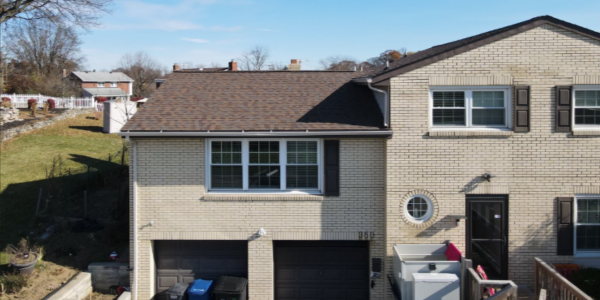
By EAS Roofing.
Prompt action and professional support can prevent minor leaks from becoming major problems.
After years of normal wear and tear in defending your home from rain, wind and other seasonal weather, your roof is bound to experience vulnerabilities. Roof leaks are among the most frequent issues homeowners encounter, and, if left unaddressed, can quickly cause more serious interior damage and structural concerns.
Here at EAS Roofing, we work with homeowners to identify leak sources and restore roofs to their intended performance and strength. We’ve put together this guide so you can understand and take the proper steps to address a leak, minimize damage and streamline the repair process.
Step 1: Protect your home
When you first notice a leak in your roof, you'll want to take immediate action to protect your belongings from water damage. Move all furniture, fixtures and decorations so that they can't be affected by the leak. After this, make sure that any wet spots have been thoroughly dried to prevent mold, mildew or other symptoms of moisture damage. You'll also want to come up with a temporarily solution for the leak, such as placing buckets to catch the water droplets.
Step 2: Document the damage
After you've assessed the damage, it's time to document it. Many insurance policies cover things like roof leaks, but in order to get your claim processed and approved, you'll need to turn in ample documentation to prove your home was damaged. Make sure to include photographs of damage from the interior and exterior, taking both wide-angle and close-up shots of things like:
- Broken tiles
- Missing shingles
- Flashing issues
- Water stains
- Wood rot
- Mold growth
Step 3: Review your insurance
Once you've thoroughly documented all signs of damage relating to your roof leak, you'll need to take a look over your homeowner's policy. Look through the policy to see what kind of damage is covered and what that coverage looks like. While the terms of each individual policy will vary at least slightly, most will have the following sections, which should hold helpful information for dealing with your roof leak:
- Dwelling coverage
- Covered perils
- Policy exclusions
- Duties after a loss
Step 4: Contact a roofing contractor
Roof leaks can turn into serious issues, which is why it's important to get in touch with a trusted contractor once you've secured your home and touched base with insurance. Your roof leak may not be located directly above the pool of water you found on the floor, so a professional roofer will start by completing a thorough inspection to ensure they've uncovered the root of the issue.
Original article and photo source: EAS Roofing
Have a question? AskARoofer.
Find your local roofing contractor in the AskARoofer™ Contractor Directory.
Recommended For You

Prevent your roof leaks from getting worse
Read More ...
Drip, drip, dread: What your ceiling is trying to tell you
Read More ...
Fall Protection for Roofing Workers
Read More ...




Comments
Leave a Reply
Have an account? Login to leave a comment!
Sign In