Choosing the right metal roof
By Jesse Sanchez.
Learn how metal roofing types compare in durability, cost and design to make a confident, long-term investment in your home.
Metal roofing has moved well beyond its association with barns and industrial buildings, emerging as a versatile option for residential homes. Companies like Mountaintop Metal Roofing highlight how today’s systems offer a broad range of styles, materials and performance benefits, making them an increasingly attractive alternative to traditional asphalt shingles. As interest grows, understanding the differences between metal roofing types has become essential for homeowners evaluating long-term value.
At the core of that decision is material selection. Metal roofs are commonly manufactured from aluminum, steel, copper and zinc, each bringing distinct performance characteristics. Aluminum is valued for its corrosion resistance, particularly in humid environments, while steel remains a cost-effective and widely available option. Copper and zinc, though positioned at a higher price point, are known for their longevity and the protective patinas they develop over time.
Beyond material, profile design plays a critical role in both performance and appearance. Standing seam roofing remains one of the most widely used systems, defined by vertical panels and concealed fasteners that create a watertight barrier. This design not only enhances weather resistance but also delivers a clean, modern aesthetic. When properly installed, standing seam systems can perform for more than 50 years with minimal maintenance.
For homeowners seeking a more traditional look, metal shingles and shake profiles offer a familiar alternative. Designed to replicate the appearance of asphalt shingles or cedar shakes, these systems provide enhanced resistance to wind, fire and moisture while blending seamlessly into established neighborhoods.
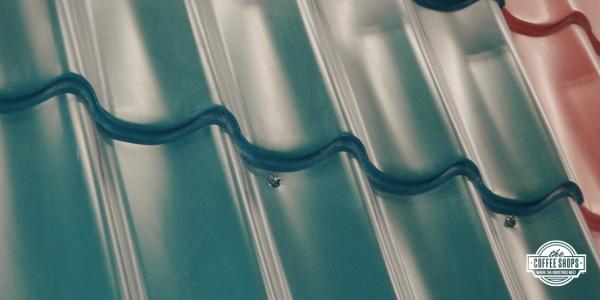
Corrugated metal roofing introduces a more utilitarian option, often used for accent applications or cost-sensitive projects. Its wave-like profile adds structural strength to lightweight panels, though the use of exposed fasteners may require periodic maintenance over time.
When compared to asphalt shingles, metal roofing systems consistently deliver longer service life, improved durability and reduced maintenance demands. While the upfront investment is typically higher, the extended lifespan, often ranging from 40 to 70 years or more, can translate into stronger long-term value.
Ultimately, selecting the right metal roof comes down to aligning budget, climate conditions and design preferences. By working with a qualified contractor, homeowners can ensure the chosen system meets both structural requirements and long-term performance expectations.
Have a question? AskARoofer.
Find your local roofing contractor in the AskARoofer™ Contractor Directory.
About the author

Jesse is a writer for The Coffee Shops. When he is not writing and learning about the roofing industry, he can be found powerlifting, playing saxophone or reading a good book.
Recommended For You
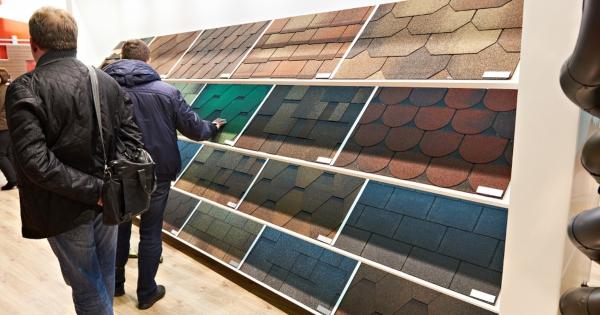
Metal Roof or Shingle Showdown
Read More ...
MRA launches 4 new guides for homeowners based on expert re-roofing advice
Read More ...
Find the Right Metal Roof With the Residential Metal Roofing Buyer's Guide!
Read More ...
Comments
Leave a Reply
Have an account? Login to leave a comment!
Sign In