



Why ice and water shield is critical for reroofing after a harsh winter
By Heidi J. Ellsworth.
Protecting homes from ice dams and how to prepare for the surge in reroofing demand.
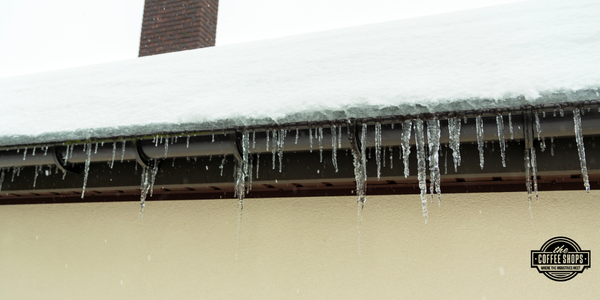
This winter delivered one of the harshest seasons the eastern United States has seen in years. Extended cold snaps, heavy snow loads and repeated freeze-thaw cycles created the perfect conditions for widespread ice dam formation. Now, as spring and summer roofing demand ramps back up, contractors across the region are seeing a surge in reroofing projects driven by interior leaks, structural damage and compromised roof systems.
At the center of both the problem and the solution is one often overlooked component: ice and water shields.
Ice dams form when melting snow refreezes at the roof edge, creating a barrier that traps water behind it. That trapped water is then forced up and under shingles, where it can penetrate the roof deck and enter the home. This winter, repeated freeze-thaw cycles intensified this process, leading to significant water intrusion issues. Contractors are reporting everything from saturated insulation and stained ceilings to rotted decking and compromised structural components.
This is exactly where ice and water shields prove their value.
Unlike traditional underlayments, ice and water shields are self-adhering membranes that bond directly to the roof deck. It creates a watertight barrier and, critically, self-seals around nail penetrations, preventing leaks even when water is forced beneath shingles. It is designed specifically to handle the kind of conditions seen this past winter, offering superior protection against water intrusion from ice dams and wind-driven rain.
As reroofing projects increase, there is a real risk of repeating past mistakes. Older roofs, especially those installed before modern building codes, often lack adequate ice and water protection. The result is consistent and predictable: rotting roof decking along eaves, water infiltration around valleys and penetrations, interior damage and mold concerns and reduced roof lifespan.
Industry experts consistently emphasize that ice and water shields are not an upgrade but critical system components. Skipping it or installing it incorrectly can lead to leaks, voided warranties and long-term structural damage.
One of the biggest misconceptions in reroofing is treating ice and water shields as standalone products. In reality, they are a part of a complete roofing system working together with shingles, ventilation and other underlayments. When properly installed in key areas such as eaves, valleys and penetrations, it acts as the last line of defense. In more severe climates or high-risk designs, full-deck coverage may be recommended to further reduce risk. It’s not just about having an ice and water shield; it is about having the right system installed correctly.
For contractors looking to deliver long-term performance and peace of mind, products from TopShield® offer a strong solution. The TopShield Ice and Water product line includes self-adhered, modified bituminous membranes engineered to serve as a secondary water barrier in sloped roof systems. These solutions are designed to provide durability, adhesion and protection in the most vulnerable areas of the roof. Options such as Defender, G300, GS PRO and SecureGrip provide reinforced membranes that help protect against leaks caused by ice damming and wind-driven rain, while offering installation flexibility for different roof designs and climates.
When integrated into a complete roofing system and installed according to best practices, TopShield ice and water shield helps ensure that the same issues seen this past winter do not return.
The spike in reroofing across the eastern U.S. is a clear reminder that weather patterns are changing and becoming more extreme. Roofing systems must evolve to meet those challenges. Ice and water shields are no longer optional in many regions; they are essential. As contractors evaluate damage and plan replacements, specifying high-performance solutions and installing them as part of a complete system will define long-term success.
For contractors and building owners alike, now is the time to prioritize protection, performance and prevention. Because while ice dams may be unavoidable in harsh winters, the damage they cause doesn’t have to be.
To learn more about TopShield products and connect with the brand, visit their directory on AskARoofer and visit their website.
Learn more about TopShield® in their Coffee Shop Directory or visit www.topshieldproducts.com.
Recommended For You

Building the case for sustainable metal roofing
Read More ...
Additional Living Expenses (ALE) after a hurricane
Read More ...
FEMA highlights Florida community as trailblazer for surviving monster hurricanes with better building practices
Read More ...





Comments
Leave a Reply
Have an account? Login to leave a comment!
Sign In