



When to call a roof specialist
By The Coffee Shops®
Learn which warning signs may indicate a roof leak, why prompt repairs matter and what to expect from a professional inspection.
Steady rain can put intense pressure on a building’s roofing system. Property owners may notice small signs of trouble but delay getting help until the damage grows. However according to this article by Fields Roof Service, reaching out early can help prevent more extensive damage.
Five hidden signs of water damage
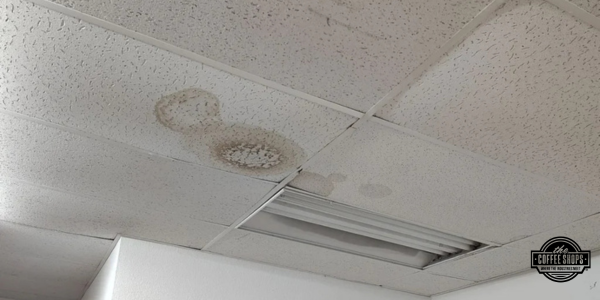
Roof damage is not always obvious from the ground. Missing shingles or broken tiles may be easy to spot, but many problems remain hidden. In fact, water can cause significant damage before a drip appears inside the building. Warning signs of an active leak may include:
1 – Yellow or brown water stains spreading across ceilings.
2 – Peeling or bubbling paint near the upper corners of rooms.
3 – Musty smells lingering in the attic or upper hallways.
4 – Swollen baseboards or warped drywall panels.
5 – Small dark spots that resemble early mold growth.
Ignoring these signs can lead to costly repairs. Trapped moisture may rot the wooden supports that help hold a building together. Wet insulation can also lose its ability to keep the property comfortable.
Calling a specialist can stop the damage from spreading and help protect the property.
Common causes of roof leaks
Weather and aging can challenge even strong roofing materials. Wind may blow branches and other debris onto flat or sloped roofs, puncturing protective layers and allowing water to enter. Repeated freezing and thawing can also expand small cracks in older shingles.
Additionally, several roof components become vulnerable as they age. Rubber seals around plumbing vents may crack, while metal flashing near chimneys or skylights can rust or pull away from the surrounding materials. Because these areas manage moving water, they are common starting points for leaks.
Finding the source of the water
Locating a leak’s entry point can be difficult. Water may enter through a small opening, travel along pipes or structural materials and appear far from the original problem.
A trained roof specialist understands how moisture moves through a building. During an evaluation, the inspector may examine the roof surface and interior attic space for blocked drains, cracked vent seals, damaged flashing and other potential trouble spots.
Why avoid do-it-yourself repairs
Attempting to repair a damaged roof without professional training may create additional risks. Cheap sealants and temporary patches can break down after continued rainfall. They may also leave rotting wood or damaged insulation unaddressed beneath the surface.
Climbing onto a wet or mossy roof is also dangerous. Untrained property owners may fall, step on weakened areas or cause further material damage. Roofing professionals bring the training and safety equipment needed to evaluate the problem securely.
To learn more about evaluation roof damage, read the full article.
Have a question? AskARoofer.
Find your local roofing contractor in the AskARoofer™ Contractor Directory.
Recommended For You
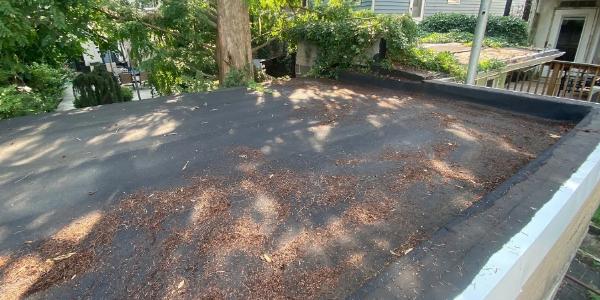
Forget Spring Cleaning! Make Sure Your Roof is Fall Ready
Read More ...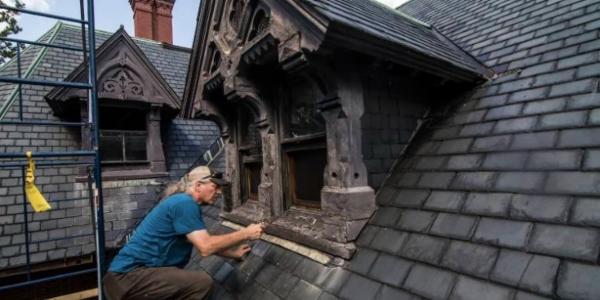
Kimball Jenkins Mansion Undergoes Restoration
Read More ...
Reminder - It's Roof Fall Cleaning Time
Read More ...




Comments
Leave a Reply
Have an account? Login to leave a comment!
Sign In