
The lowest bid isn't always the best roof: 5 things to ask before you sign
By V.C. Veterans Contracting.
Check if a contractor is licensed, insured and certified before signing any contracts.
Getting a new roof is one of the largest investments you'll make in your home or building. Whether you're replacing aging shingles on a family home or overseeing a commercial re-roof, the process usually starts the same way, by getting multiple bids and comparing prices.
That's smart. Here's the thing most people don't realize: you can only compare bids if you're comparing the same thing. And in the roofing industry, two proposals that look similar on paper can represent very different products, very different processes and very different outcomes.
At V.C. Veterans Contracting, we hear it from time to time. "I found someone cheaper." We get it. We also know what cheap looks like ten years down the road. So before you sign anything, here are five things worth asking every contractor you're considering.
1 - Do your homework online first
Before you ever pick up the phone, spend five minutes on Google. Search the company's name, look at their website and read their reviews.
Most people check reviews before trying a new restaurant, and your roof deserves at least the same due diligence. Here's the thing about Google reviews: unhappy customers are highly motivated to leave them. A contractor with consistent 4- and 5-star feedback, across a meaningful number of reviews, has genuinely earned that reputation. A professional website tells you the company is established and takes their business seriously and will likely be around for the long haul. Sparse reviews, no web presence or a company that's hard to find online should give you pause.
You're about to spend tens of thousands of dollars on a system you'll live under for the next 20 to 30 years. A quick search is the easiest filter you have.
2 - Are they licensed and insured?
This is the baseline. The minimum bar every contractor should clear before the conversation goes any further.
A valid contractor's license means they've met the requirements set by their state to perform this type of work. Insurance, both general liability and workers' compensation, protects you if something goes wrong on your property. An uninsured worker injured on your job site or damage caused during installation can become your financial problem if the contractor isn't properly covered.
Always ask for proof. Any reputable contractor will have it ready.
3 - What manufacturer certifications do they hold?
This one surprises a lot of people, but it's one of the most important questions you can ask.
Major roofing manufacturers like Firestone, GAF, Owens Corning and others offer certification programs for contractors who meet their installation standards. Getting certified isn't automatic; it requires training, field inspections and a demonstrated track record of quality work. In return, certified contractors can offer manufacturer-backed warranties that a non-certified contractor simply cannot.
What does that mean for you? It means the company that made your roofing system has vetted the person installing it and is willing to stand behind the result. A contractor with no manufacturer certifications is a red flag, especially if they're quoting you a system that comes with a so-called warranty. Ask exactly what that warranty covers and who backs it.
4 - Do they have dedicated project management?
Many roofing contractors operate lean, and there's nothing wrong with that. But there's a meaningful difference between a contractor who personally oversees every job and one who hands work off to subcontractors with minimal supervision.
Proper installation isn't just about materials. It's about the details: how flashing is terminated, how drains are set, how penetrations are sealed and how the system transitions at walls and edges. These details determine whether your roof performs the way it was designed to for decades or starts causing problems in just a few years.
Ask who will be on site managing your job day to day. Ask whether they use subcontractors and how oversight is handled. A dedicated project manager adds cost, and that will show up in the bid. But when you're investing in a system designed to last 30 years, proper site management is the difference between getting what you paid for and finding out years later that you didn't.
5 - What does the warranty actually cover?
Not all warranties are created equal, and this is where a lot of building owners get surprised after the fact.
There are generally two types of warranties in roofing. The first is a contractor's workmanship warranty, which covers installation defects. The second is a manufacturer's material warranty, which covers the performance of the products themselves. Within manufacturer warranties, there's a further distinction between a standard material warranty and a No Dollar Limit (NDL) warranty, which covers both materials and labor for repairs if something fails.
A low-bid contractor may offer a one-year labor warranty and consider their obligation complete. A certified contractor with the right manufacturer credentials can offer a 20-year NDL warranty that provides real, long-term protection.
Before you sign, ask every contractor: what warranty will I receive, who backs it and what exactly does it cover? The answer will tell you a lot.
The bottom line
Getting multiple bids is a great practice, and we encourage it. But a bid is only useful if you know what you're comparing. Two proposals with different products, different levels of oversight and different warranty outcomes aren't the same number with a different price tag. They're two different roofs.
At V.C. Veterans Contracting, we've been specializing in roofing since 2011. We're manufacturer-certified, fully insured and we bring dedicated project management to every job because we believe the details matter as much as the materials. We may not always be the lowest number on the page, but we'll always be the right one.
Learn more about V.C. Veterans Contracting LLC in their Coffee Shop Directory or visit veteranscontractingllc.com.
Recommended For You
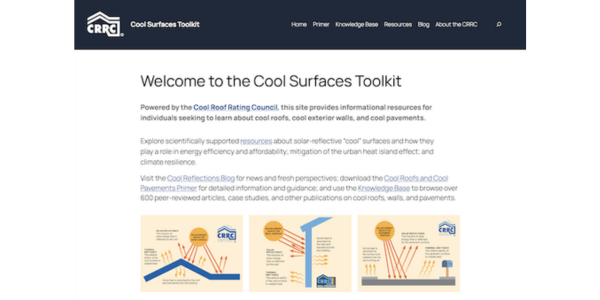
New cool surfaces toolkit site provides public with resources and knowledge base
Read More ...
Maintaining quality indoor air conditions
Read More ...
Suppling high-quality products needed for project success
Read More ...


Comments
Leave a Reply
Have an account? Login to leave a comment!
Sign In