



The importance of water drainage systems
By ROOFCORP of America.
Avoid roof collapse with this comprehensive guide to drainage systems.
Flat roofs are particularly vulnerable to poor drainage. When water pools and lingers, it doesn’t just compromise roofing materials — it can overload the structure itself, leading to unexpected collapses and expensive downtime. These are not rare incidents; they happen more often than most building owners realize.
Poor drainage isn’t just a maintenance concern — it’s a structural one. That’s why we at ROOFCORP of America created this guide to help you understand how water buildup turns into a serious liability, to share real cases where drainage failure led to disaster and to lay out clear steps you can take now to safeguard your property.
Whether you’re managing a facility or overseeing a portfolio of investments, knowing how to prevent water-related damage could save you from major losses — and even save lives.
The high cost of overlooking drainage
Let’s take a look at the cost of overlooking roofing damage:
An underestimated threat
Commercial property owners, facility managers and real estate investors understand the importance of routine maintenance. Yet the performance of the roof’s drainage system is frequently an afterthought. Often hidden from view, drains, scuppers and gutters don’t get the attention they deserve until something goes wrong. But by the time water enters the building, the damage is already well underway.
The weight of water
Water is deceptively heavy. One inch of rainfall equals about 0.67 gallons per square foot, weighing around 5.5 pounds. On a 10,000-square-foot roof, that adds up to more than 27 tons of additional weight. And that’s for just one inch of rain. Factor in multiple inches from sustained storms and you’re looking at extraordinary stress placed on structural elements that may not be designed to handle such loads. This strain can cause rapid degradation, including material fatigue, warping and sagging in both visible and hidden components.
More than a roofing issue
When water is allowed to collect on the roof, it becomes more than just a roofing problem. It’s a full-scale building threat. Water weight compromises the roof deck, insulation and support beams. Eventually, it can lead to ceiling failures, unsafe conditions inside the property and irreversible damage to the building envelope.
Downstream damage
The harm doesn’t stop at the roof. Office equipment, electronics, HVAC units, drywall, flooring, inventory and personal property all become vulnerable once water enters the building. The fallout includes potential business interruptions, expensive repairs, lawsuits and insurance claims. The long-term financial impact can dwarf the original roofing issue, turning a preventable maintenance task into a devastating setback.
Causes of flat roof collapse
Understanding the causes of flat roof collapse is essential to effective prevention. Flat and low-slope roofs are common in commercial construction due to their affordability and design efficiency, but they come with increased risk if water isn’t managed effectively.
Poor natural drainage
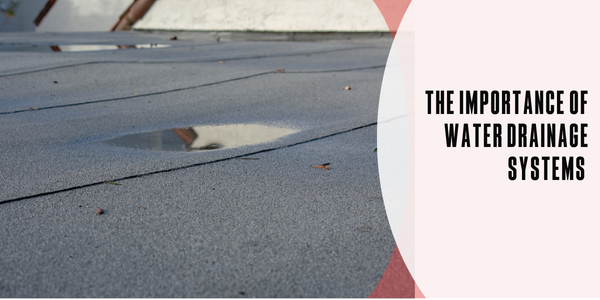
Unlike pitched roofs that rely on gravity to guide water away quickly, flat roofs require engineered solutions to move water. Without enough slope or the correct placement of drains, water tends to collect in the center of the roof. Even slight dips in the surface can create ponding zones where water stagnates for days.
Common culprits
Routine issues like clogged drains, misaligned scuppers or gutters packed with leaves and debris are common contributors to poor drainage. Additionally, damaged or improperly installed waterproof membranes allow water to seep through even when pooling isn’t obvious.
Warning signs
Sagging ceilings, discolored tiles, peeling paint and unusual bulges are all signs that water is gathering where it shouldn’t. These symptoms often go unnoticed or are dismissed as cosmetic problems until the underlying structural integrity is already compromised.
Hidden structural damage
Even when the roof appears to be holding up, the water damage might be working its way through insulation, electrical wiring or wooden trusses. This damage is often discovered only after a partial collapse or leak — when it’s too late for simple repairs.
Real-life failures from poor drainage
The risk of roof collapse from poor drainage is far from hypothetical. There are many real-world examples that illustrate how drainage failures have led to severe property damage and operational shutdowns.
Retail collapse
In a popular retail plaza, several inches of rain fell over a few days. Due to clogged internal drains and no overflow scuppers in place, water pooled in the center of the flat roof. Despite warning signs like ceiling sagging and water stains, maintenance was delayed. The roof eventually collapsed during operating hours, injuring employees and destroying inventory. The total cost, including lawsuits and relocation, exceeded $3 million.
School facility damage
A midwestern school had a history of drainage problems, including water collecting on a section of its gymnasium roof. With budget limitations delaying repairs, the school gambled on temporary patches. A heavy storm exposed the risk, and the roof gave way overnight. While there were no injuries, the cleanup costs topped $1.2 million and the school faced extended closures, affecting hundreds of students.
Why rainfall is the primary concern
Rain is one of the most consistent and rapidly damaging weather events for commercial roofs. While snow and ice are concerns in colder climates, rainfall poses an ongoing threat, especially in regions with fluctuating storm patterns and flash downpours.
Intensity and speed
Rain often falls in large volumes over short periods. Unlike snow, which accumulates and melts gradually, rainwater must be removed immediately. A single storm can overwhelm drainage systems that are partially blocked or improperly designed.
Drainage overload
Drainage systems that aren’t adequately maintained or built for today’s weather realities can’t keep pace. Water collects in areas with insufficient slope or clogged drain paths, applying direct pressure to structural components and increasing the risk of breaches.
Climate shifts
As climate patterns shift, storms are becoming more intense and frequent in many parts of the U.S. Older roofing systems, installed decades ago, may no longer be equipped to manage the volume and velocity of current rainfall events. Without upgrades, these systems are at risk.
How drainage systems help with commercial roof collapse prevention
Effective drainage is the foundation of commercial roof health. A comprehensive drainage system protects against structural overload, premature wear and water intrusion.
Critical system components
- Internal roof drains: These drains are placed at the lowest points of the roof and funnel water through interior plumbing systems. They’re essential for flat roof designs.
- Scuppers: Positioned at the perimeter, scuppers offer a fail-safe by allowing water to exit the roof in case internal systems are overwhelmed.
- Gutters and downspouts: These external drainage tools collect runoff and redirect it away from the building’s foundation.
- Proper slope: Tapered insulation or structural design ensures that water flows toward the drainage points rather than stagnating.
Proactive roof drainage maintenance
Even the best drainage system needs regular attention. Maintenance is the single most effective way to prevent drainage failures that lead to flat roof collapse.
Key roof drainage maintenance tips
- Biannual inspections: Have a professional inspect your roof and drainage system every spring and fall.
- After-storm checks: Inspect drains after major weather events to ensure they’re free of blockage.
- Debris removal: Regularly clean gutters, scuppers and strainers to avoid clogging.
- Slope and ponding checks: Address low points in the roof surface that can trap water.
- Seam and flashing inspections: Look for signs of separation or deterioration around critical seams.
Partner with ROOFCORP to protect your property
At ROOFCORP, we’ve spent over two decades helping Colorado’s commercial property owners protect their investments. We understand that commercial roof collapse prevention starts with proper drainage. Our expert team offers in-depth inspections, real-time diagnostics, custom drainage solutions and ongoing maintenance services to keep your roof operating safely year-round. Whether you’re seeing signs of distress or simply want a preventative check, ROOFCORP is your partner in flat roof drainage safety and structural integrity.
Let’s stop the damage before it starts. Schedule your drainage evaluation or inspection with us today.
Original article source: ROOFCORP of America
Learn more about ROOFCORP of America in their Coffee Shop Directory or visit www.roofcorp.com.
Recommended For You

Lengthen Your Roof Life With a Tile Lift and Relay
Read More ...
The roof revival you didn’t know you needed
Read More ...
The do’s and don’ts of damage documentation
Read More ...




Comments
Leave a Reply
Have an account? Login to leave a comment!
Sign In