

The context of climate and commercial roofing systems
By The Coffee Shops™.
Choosing the right commercial roofing system starts with understanding the conditions it must withstand.
Commercial roofing is not a one-size-fits-all decision. A system that performs well in a dry inland climate may fail more quickly near the coast, while a roof built for the Pacific Northwest’s wet seasons may not deliver enough reflectivity for Southern California energy requirements. Climate, location and building use all shape which roofing system will perform best over time. In this article, the experts from ROOFCORP of America dive into some of the context considerations when it comes to choosing a commercial roof system.
Several environmental factors directly affect roof performance:
- High ultraviolet exposure can accelerate membrane breakdown when materials lack reflective or UV-resistant properties.
- Coastal properties face airborne salt that can degrade certain materials and fasteners.
- Heavy seasonal rainfall places added pressure on flat roofs, making waterproofing and drainage essential.
- Temperature swings cause materials to expand and contract, stressing seams and membrane bonds.
- Seismic activity like that across much of California and the Pacific Northwest requires systems that can flex with building movement.
Before comparing materials, building owners should define performance in context. What does this mean? If you’re in a warmer region, you’ll want to think about reflectivity as it helps reduce heat gain, lower interior temperatures and support compliance with California’s Title 24 energy code requirements. For those with flat commercial roofs, waterproofing and smart drainage are key considerations to help prevent ponding, membrane failure and interior damage. Flexibility, wind resistance and proper attachment methods also matter in areas exposed to storms or seismic movement.
By thinking about these contexts and how they impact performance, you can ensure that you are choosing a system that will perform well. Remember, this might not always be the cheapest option up front, but over the life of the building, a durable system installed correctly in a demanding climate can cost less than a cheaper option that fails early.
What are your options? Common commercial roofing systems offer different advantages:
- Thermoplastic polyolefin (TPO) provides reflective performance, ultraviolet resistance and cost-competitive coverage for large roofs.
- Polyvinyl chloride (PVC) offers strong durability and chemical resistance for industrial, food production and coastal environments.
- Ethylene propylene diene monomer (EPDM) brings flexibility and long-term performance in cooler, wetter climates, though traditional black EPDM absorbs heat.
- Metal roofing provides long-term weather resistance, corrosion protection and strong lifecycle value when properly coated and maintained.
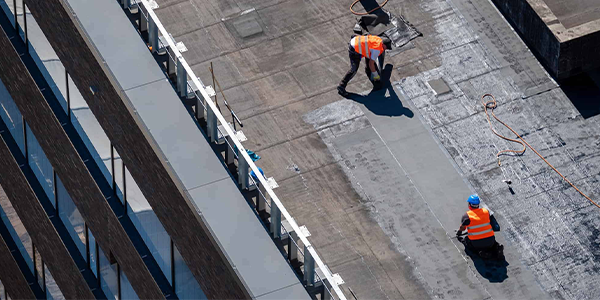
Original image source: ROOFCORP of America
Have a question? AskARoofer.
Find your local roofing contractor in the AskARoofer™ Contractor Directory.
Recommended For You
Progressive Roofing and Beldon Roofing Company create partnership to enhance capabilities
Read More ...
5 Common But Avoidable Commercial Roofing Problems
Read More ...
What is flat roof rot?
Read More ...



Comments
Leave a Reply
Have an account? Login to leave a comment!
Sign In