



Storm damage roofing solutions: What residents need to know
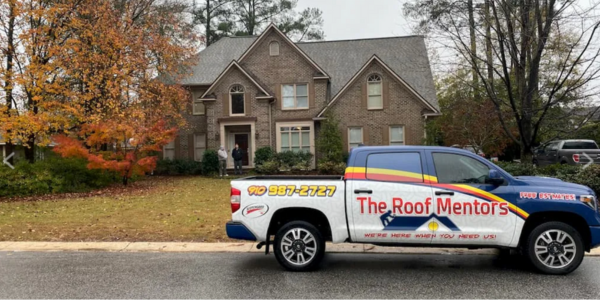
By The Roof Mentors.
From roof inspections to insurance claims, knowing what to do after a storm can protect your home and your wallet.
Here at The Roof Mentors, we know that many areas get hammered by storms. No sugar-coating it. For example, Augurisk's 2024 data rates Cumberland County, North Carolina's storm risk at over 70% — far higher than most counties. Hurricane Florence back in 2018? According to county damage assessments, it destroyed 76 homes outright and damaged another 731. Cost: $28.1 million just in residential damage. Then Matthew showed up in 2016. Dorian in 2019. Isaias in 2020.
Sometimes it feels like Mother Nature has it out for this area.
According to Verisk's 2024 report, roof claims reached $31 billion nationwide — about 30% higher than in 2022. Wind and hail cause over half of all residential claims now. Here's the thing — local roofers see this pattern after every major storm: damaged roofs, confused homeowners and claim hurdles.
Storm damage escalates fast: one minute, everything looks fine; the next, shingles are missing and water is dripping into your living room. The challenges with roofing go way beyond just slapping new shingles up there. Local weather patterns are unpredictable. Building codes change. Insurers have their processes — and they can be slow.
What are the first steps after a storm?
Safety first. Obviously. But once you can walk around without dodging power lines or debris, start taking pictures. Lots of them.
Quick checklist:
- Take photos from multiple angles
- Don't climb on the roof
- Note exact storm dates and times
- Call a licensed roofer for inspection
- Start a claim file and keep it updated
When to call who:
- Roofer: First, for damage assessment and emergency repairs
- Insurance: Within 24-48 hours of discovering damage
- Building department: For permit requirements on major repairs
The Insurance Information Institute reports an estimated $57 billion in 2023 storm-related claims. Adjusters have seen every trick in the book, so your documentation better be solid. Walk around your house — all four sides. Look up at the roof line. Missing shingles stick out like sore thumbs. Check gutters for dents (hail loves to beat up gutters first).
Areas like Fayetteville occasionally sees large hail, sometimes reaching golf-ball size. Large hail will mess up more than just your car.
Don't climb on the roof. Some surveys suggest many homeowners consider full replacement after severe storms (sources vary), but plenty make things worse trying to "take a quick look." Wet roofs are slippery as ice. Damaged roofs can give way. Professional roofers carry insurance for this exact reason.
Document when everything happened, too. Florence made landfall on September 14, 2018, with sustained winds near 90 mph. Homeowners who could prove damage occurred during that specific timeframe got claims approved faster than folks with vague "sometime after the storm" stories.
How do I document damage for an insurance claim?
Insurance adjusters deal with fraud attempts daily. Makes them suspicious of everything. Your documentation needs to be rock-solid and honest — no exaggerating, no creative storytelling.
Start with wide shots showing your entire roof. Then zoom in on specific damage. Include reference points like chimneys or satellite dishes so adjusters can find the problems easily. Professional inspections carry serious weight with insurance companies. Contractors use specialized equipment to spot damage invisible from ground level.
They know what adjusters look for: granule loss on asphalt shingles, exposed nail heads, cracked flashing around vents and chimneys. A detailed contractor report can materially affect settlements — sometimes by many thousands — depending on policy and damage extent.
Here's something most people don't know — Verisk data indicates that roofs in poor condition suffer roughly 60% higher losses during storms compared to well-maintained ones. This matters big time for claims. If your roof was already falling apart, insurance might argue that storm damage was minimal. Keep maintenance records. They help prove your roof was decent before the storm hit.
Stay organized. Create a folder (physical or digital) with:
- Photos and videos of damage
- Professional inspection reports
- Repair estimates from multiple contractors
- All correspondence with your insurance company
Many claims resolve in roughly 30-45 days, though timelines vary significantly by carrier and completeness of documentation. Missing paperwork can stretch that to months.
At a glance: Documents to keep
- Photos/videos of all damage
- Professional inspection reports
- Multiple contractor estimates
- Insurance correspondence
- Storm date/time documentation
Nobody wants to deal with insurance longer than necessary.
Choosing the right roofing contractor
Storm chasers swarm the area after every major weather event. Out-of-state contractors with fancy trucks and smooth sales pitches. They promise quick fixes, collect deposits, then vanish. Local contractors stick around. They have to — their reputation depends on it.
Contractor vetting steps:
- Check licenses through your state's licensing board for general contractors
- Verify insurance coverage (liability and workers' comp)
- Ask for recent local references
- Drive by completed projects in your neighborhood
- Get multiple written estimates
A contractor without proper insurance working on your roof? You could be liable for injuries or additional damage. Not fun.
References matter more than slick websites. Good contractors welcome scrutiny because they're proud of their work. Bad ones make excuses.
Local contractors understand regional weather patterns. They know which materials hold up in high winds, how the permit process works and which insurance adjusters are reasonable versus... difficult.
Pricing varies wildly. National averages for roof replacement run $5,700 to $12,500, but storm damage repairs often cost more. Emergency conditions, material shortages, high demand — it all drives prices up. Get multiple estimates, but don't automatically pick the cheapest. Quality costs more upfront but lasts longer.
What should I expect during the repair process?
Timing depends on damage severity and contractor availability. After Florence, some homeowners waited six months for repairs. Every roofer in the region was booked solid. Material shortages made things worse — asphalt shingles backordered for weeks.
Most counties typically require permits for most roof work. Approval can take roughly five to ten business days normally, though timelines vary by jurisdiction and workload. After major storms? Permit offices get swamped and delays stretch longer. Plan accordingly.
The weather affects everything. Roofing stops during rain, high winds or extreme heat. For example, North Carolina's climate means multiple weather delays on typical projects. Good contractors build buffer time into schedules. Bad ones promise unrealistic timelines.
Expect noise. Lots of it. Nail guns, power tools, materials being moved around. Most crews start early to avoid afternoon heat and thunderstorms. Keep the work area clear of cars and patio furniture.
Quality control happens in stages: inspections after decking repairs, after underlayment installation and after final shingle installation. Each inspection can reveal issues needing correction before moving forward. Rushing through inspections causes problems later.
Storm damage repairs commonly uncover surprises. Minor hail damage from ground level might reveal rotted decking or inadequate ventilation once contractors start working. Budget for potential extras - they happen on many storm projects.
Final inspection determines whether work meets local codes and manufacturer specs. This matters for insurance coverage and warranty protection. Rushed work that fails inspection can void coverage for future claims.
Cumberland County's storm history teaches one lesson: preparation beats reaction every time. Regular maintenance, prompt repairs, qualified local contractors — it all reduces costs and stress long-term. The next storm's coming. The question is whether you'll be ready.
Learn more about The Roof Mentors in their Coffee Shop Directory or visit theroofmentors.com.
Recommended For You
Reroofing with wildfire protection in mind
Read More ...
IRS Reminds Taxpayers to Think About Financial Preparedness When Planning for Emergencies
Read More ...
Upgrade your roof in time for wildfire season
Read More ...




Comments
Leave a Reply
Have an account? Login to leave a comment!
Sign In