



Q&A – Underlayment extension
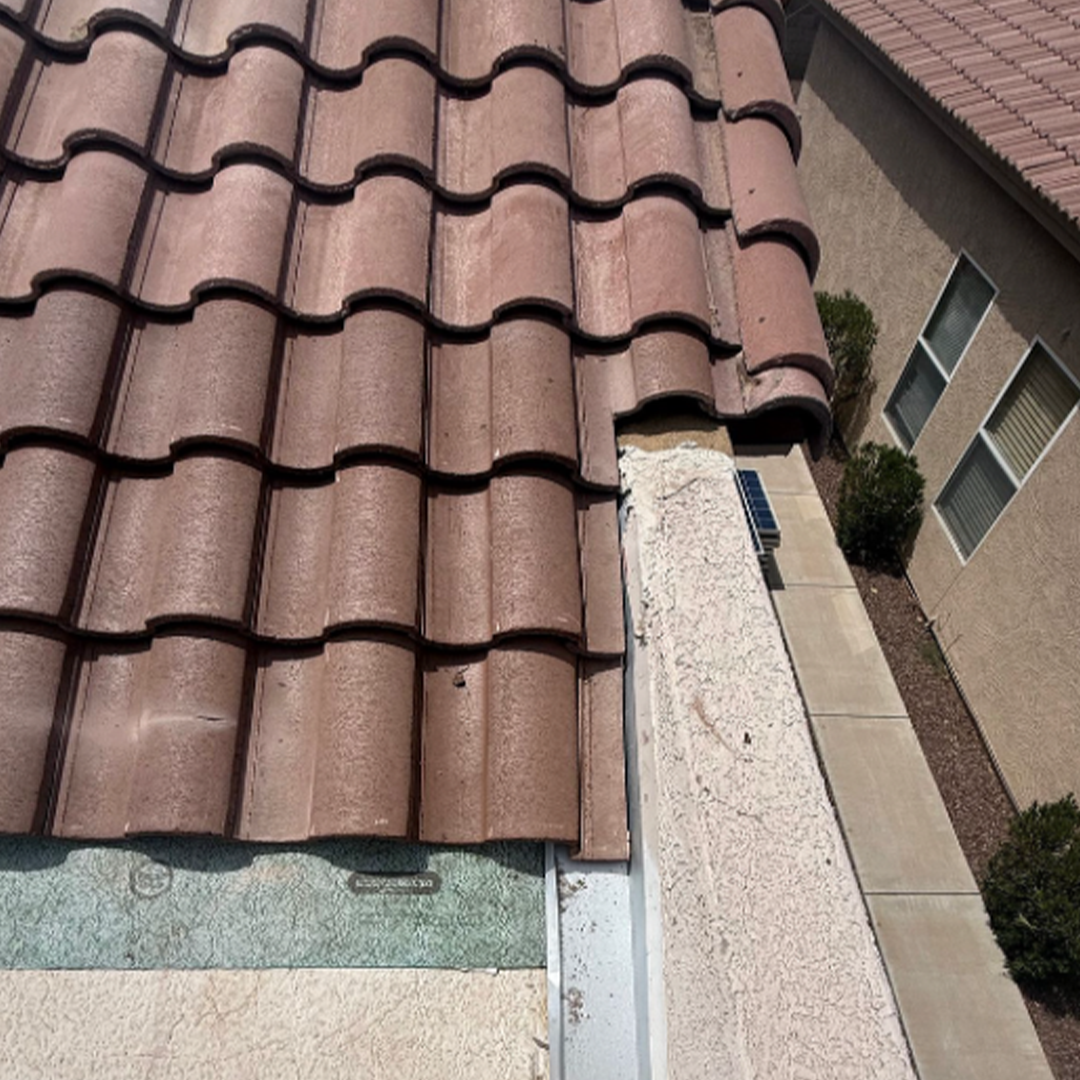
Looking for a second opinion on a transition detail, this homeowner turned to the AskARoofer Experts.
Corey from Arizona recently sent in the following question:
I'm looking for an independent second opinion on a transition detail from a recent roof replacement. My previous contractor redid the entire underlayment on my tile roof. At a flat/low-slope transition section, they left underlayment exposed, telling me it was put there for 'extra protection.' While the underlayment higher up on the transition appears tucked underneath the tiles, I know underlayment isn't rated for permanent UV exposure or standing water. I have 15 days left on my punch-list window to require fixes from the original installer. What should I ask them to do or is this okay if the underlayment is neatly tucked and done before the exposed area?
One of our experts, John Kenney from Cotney Consulting, responded to Corey:
Corey, based on the photos, I would not accept the exposed underlayment as a finished roof surface unless the contractor can provide written documentation from the manufacturer showing that the specific product is approved for permanent exposure and for use in that low-slope condition. In Arizona, the heat and UV exposure make that especially important.
My main concern is the tile-to-low-slope transition. Underlayment is normally part of the roof assembly, not the exposed finished waterproofing surface. At that transition, I would expect to see a properly designed low-slope membrane or flashing system integrated beneath the tile roof above and carried continuously onto the lower roof area. Leaving underlayment exposed for “extra protection” is not the same thing as installing a permanent waterproofing detail.
I would ask the contractor to provide three things in writing: the exact underlayment product used, the manufacturer’s approval for the exposed condition shown in the photos, and the manufacturer-approved detail for the tile-to-low-slope transition. If they cannot provide that documentation, I would request that the area be corrected with an approved low-slope roofing or flashing system. I would also have them verify drainage through that transition. Any area where water can slow down or collect should not rely on exposed underlayment for long-term protection.
My recommendation: Don’t focus only on whether the upper underlayment is neatly tucked beneath the tile. The key question is whether the exposed lower section is an approved finished roof system and whether the transition has been detailed correctly.
Have a question? AskARoofer.
Find your local roofing contractor in the AskARoofer™ Contractor Directory.
Recommended For You
Q & A - Attic Ventilation Without Soffit Vents
Read More ...
Q&A – Mold mystery
Read More ...
Q&A - Which ventilation should I use?
Read More ...





Comments
Leave a Reply
Have an account? Login to leave a comment!
Sign In