


Q&A – Leaking from soffits
A roof leak is the last thing any homeowner wants to see. For some help navigating this furstrating situation, this homeowner reached out to our experts.
Recently, we got a question from a homeowner in Wisconsin. Victoria asked the following:
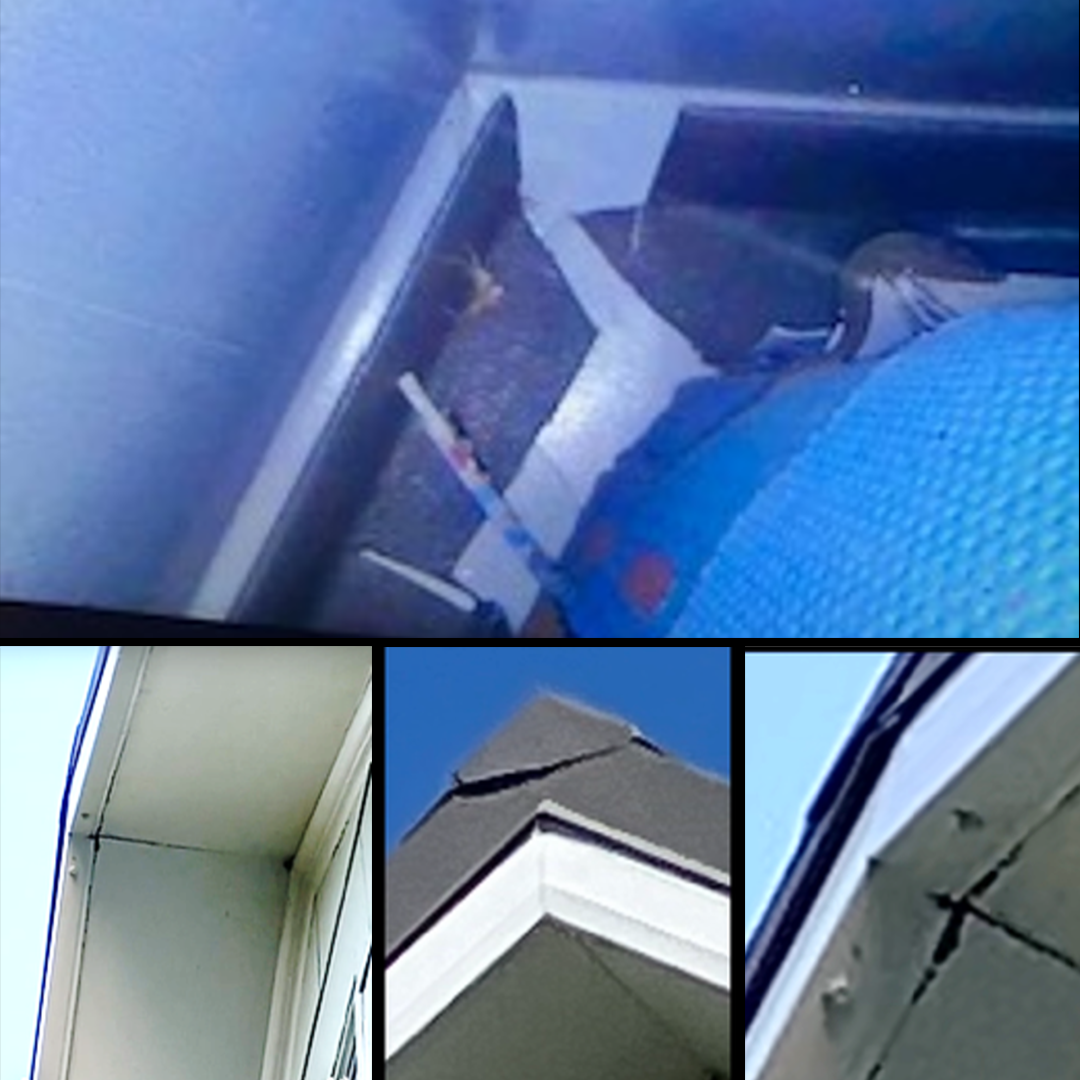
I have a standing seam metal roof with a Snap Z Ridge Vent. What can be done to stop leakage into my soffits from gable peak? I have attached a photo file of the Attic Ridge Vent at the peak (endoscope photos) as well as exterior photos of the end cap area of the south gable (the worst of the three). Any information you can provide toward resolving this would be greatly greatly appreciated.
Below is what our roofing expert Chad with All Craft Exteriors had to say in response to Victoria's question:
Victoria, I’m sorry you’re dealing with this. From what you’re describing and from what I can see in the photos, it looks like the leak is coming from the very end of the ridge vent — Right where the top of the roof stops at the gable. That’s a pretty common trouble spot on standing seam metal roofs, especially when wind-driven rain gets involved.
On metal roofs, leaks like this usually aren’t coming from the middle of the panels. More often, they happen at the little details — Places where pieces of metal come together at the end of the roof. If there’s even a small gap there, wind can push rain up under the ridge cap and let it work its way into the soffit.
The usual causes we see are:
- Small gaps where the ridge vent or trim pieces end
- Sealing material (called butyl tape) that’s missing or dried out (it’s basically a sticky rubber tape meant to keep water out)
- Or the end of the ridge vent not being fully closed off the way it should be
The good news is this is often fixable without replacing the roof. A good metal roofing contractor can get up there and focus just on that ridge vent end — Usually by resealing it properly, replacing the sealing material or correcting how the end of the ridge vent is finished so water can’t sneak in.
You’re doing the right thing by not trying to get up there yourself. This is definitely a job for someone who’s comfortable working on metal roofs. If you happen to know the brand of the ridge vent or the roofing panels, that can help, but the main thing is having someone experienced with metal roofing take a close look at that ridge area.
Have a question? AskARoofer.
Find your local roofing contractor in the AskARoofer™ Contractor Directory.
Recommended For You

Repairing and Matching a Broken Tile
Read More ...
Kokua Roofing is the December R-Club Roofer of the Month
Read More ...
Recognizing the signs of a failing roof
Read More ...




Comments
Leave a Reply
Have an account? Login to leave a comment!
Sign In