



Q&A – DaVinci shake on a dorm
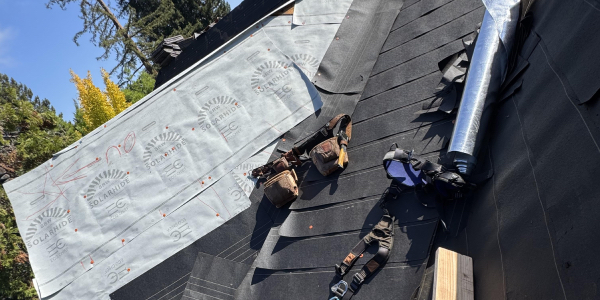
When a question came in about installing DaVinci shingles, our experts jumped to answer!
Alfonso from California was working on roofing a dorm, they needed some expert advice. This is what they asked:
I want to know how to roof this dorm with DaVinci shake. Top pitch is 14.5 low pitch is 4.5. I want to know a way to keep it real water tight. The valley doesn’t have a break.
Below is what our roofing expert John Kenney with Cotney Consulting Group had to say in response:
Alfonso, that’s a good question and a complex detail. With a steep-to-low slope transition like yours — 14.5 to 4.5 pitch and no valley break, you’re right to focus on watertightness. This geometry type can easily trap and redirect water flow if not detailed exactly right.
DaVinci Shake's detail calls for proper underlayment and transition flashing, not just shingle layout. At the pitch change, you’ll need to follow DaVinci’s high-to-low slope transition guidelines, which typically call for an ice-and-water barrier extending well upslope of the break, overlapped by a secondary self-adhered underlayment or metal transition flashing. To ensure continuous drainage, the flashing should extend beneath the upper field shingles and over the lower slope underlayment by several inches.
Given the multiple planes, lack of a valley break and manufacturer-specific fastening and exposure requirements, I’d strongly recommend you contact DaVinci’s technical department for project-specific guidance before proceeding. They can confirm the correct flashing profile, fastening schedule and approved materials for your slope change.
The bottom line is that this is not a standard valley — treat it as a slope transition detail requiring layered waterproofing. DaVinci’s tech team will provide the most accurate specifications to ensure full compliance and long-term performance.
Have a question? AskARoofer.
Find your local roofing contractor in the AskARoofer™ Contractor Directory.
Recommended For You
What is an OGEE Gutter?
Read More ...
Q & A - Pitch of My Roof, the Easy Way to Find Out
Read More ...
Q & A - Is My Ridge Vent Nailed Correctly?
Read More ...





Comments
Leave a Reply
Have an account? Login to leave a comment!
Sign In