



Q&A – Attic weatherization concerns
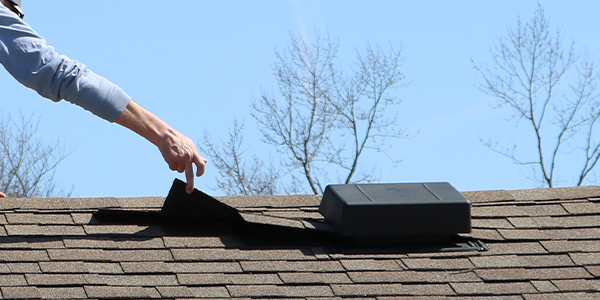
This homeowner paused their project because of insulation concerns. The following is is the advice our experts gave them.
When Olive, an Ohio homeowner, started having work on their home, they came to our experts for insight. This is what they asked:
I recently had weatherization work started on my home, including attic prep for blown-in insulation. I paused the job before the final insulation phase because I’ve run into several concerns and wanted input from people with roofing/ventilation experience.
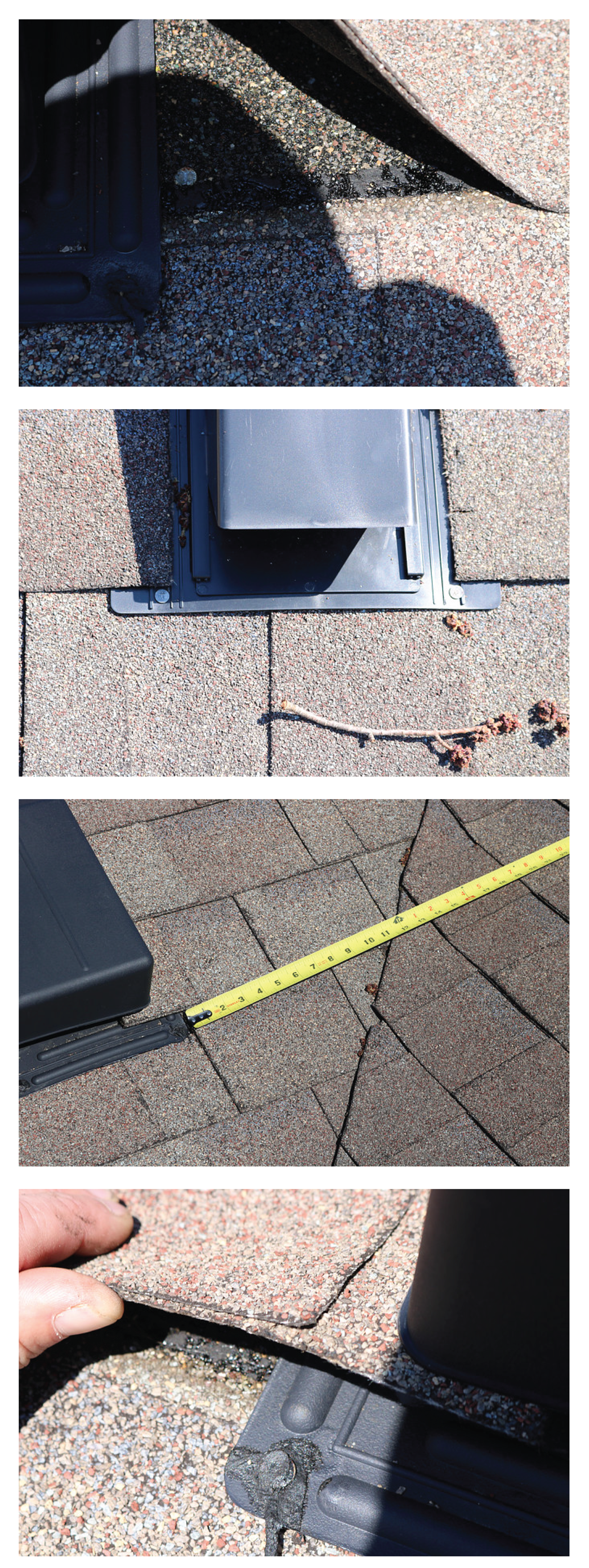 The roof vents do not seem to be installed properly. The shingles around the vents are not sealed... I can physically lift them by hand next to the vent flashing. They insist they are nailed and properly finished?
- One vent was installed about 11 inches from a roof valley, which seems too close based on what I’ve been reading and where I live (Ohio).
- The contractor chose not to install baffles, saying each attic has about 3 roof vents (and one attic also has a gable vent). They claimed ventilation would be sufficient and that "it’s better to prioritize insulation over the top plate area at the critical junction". I don’t fully understand or agree with that explanation.
- They left debris in the attic everywhere, including all of the roof cutouts, an old fan they replaced and trash (spray foam cans, tape, electrical wiring etc.).
I’ve stopped them from blowing in insulation until I understand whether this work is acceptable. Am I right to be concerned here? Any advice would be appreciated. Thanks in advance.
We had a couple experts chime in with advice for Olive. This is what Jordan Nycum from Bone Dry Roofing had to say:
- The shingles next to the vents should not lift up as easily as they do in the photo. The nails need to be placed at the right distance from the vent opening, not so close that they interfere with the vent, but not so far away that the shingle can be lifted like that. At Bone Dry, we also always install an extra layer of protective material called ice and water shield around any roof protrusions for added protection.
- Yes, 11 inches is too close to a valley. Valleys are areas of the roof where a large amount of water flows during rain, and having a protrusion that close can create a spot where water backs up and causes a leak.
- When installing insulation or a proper ventilation system, baffles in the rafter cavities are extremely important. Baffles are channels that allow fresh air from the soffits to flow into the attic space, which helps your roofing system breathe and function the way it should.
- Small pieces of wood or sawdust in the attic are generally not a concern and will not cause a leak. However, anything beyond that can raise questions about the quality of work protecting your biggest investment, your home. You should feel complete peace of mind that your home is protected and that your money was well spent on quality workmanship. If that confidence is not there, the job was not done right.
John Kenney from Cotney Consulting also had some thoughts for Olive:
You’re right to pause the job. There are multiple concerns here, and a few of them are not minor.
- Shingles not sealed at the vents: From your photos, it looks like the shingles around the vent flashing were lifted, which is not how this should be left. Yes, shingles are nailed—but around penetrations like vents, they also need to be properly integrated and sealed so wind and water can’t get underneath. If they’re loose and can be lifted easily, that’s a red flag for improper installation or incomplete work.
- Vent too close to the valley: An 11-inch offset from a valley is tight. Most manufacturers and good practice recommend keeping penetrations farther from valleys, as that’s where water tends to concentrate. Putting a vent too close increases the risk of leaks over time, especially in areas with snow and ice like Ohio.
- No baffles installed: This is the biggest issue in your list. Baffles (rafter vents) are not optional—they’re what keep your soffit ventilation working. Without them, the blown-in insulation will block airflow at the eaves. Saying “we have roof vents, so it’s fine” is incorrect. Ventilation only works when you have intake (soffits) and exhaust (roof vents) working together. Also, the comment about prioritizing insulation over the top plate is partially true—but you don’t sacrifice ventilation to do it. You install baffles first, then insulate properly. You need both.
- Debris left in the attic: That’s unacceptable. Before insulation is installed, the attic should be clean. Leaving debris—including old materials and trash—buried under insulation is poor workmanship and makes future service or inspections difficult.
Bottom line: Yes—you are absolutely right to be concerned. You’re looking at:
- Questionable flashing/shingle integration at vents
- Poor vent placement
- Missing ventilation components (baffles)
- Lack of basic jobsite cleanliness
I would not allow them to proceed with insulation until:
- The vent installations are corrected and properly sealed
- Vent placement is reviewed (and possibly relocated if necessary)
- Baffles are installed at all soffit areas
- The attic is cleaned out completely
If they push back on any of this, I’d strongly recommend getting a second opinion from a qualified roofing contractor before moving forward.
Have a question? AskARoofer.
Find your local roofing contractor in the AskARoofer™ Contractor Directory.
Recommended For You
Q&A – Torch down repair
Read More ...
Q & A - Repointing a Tile Roof
Read More ...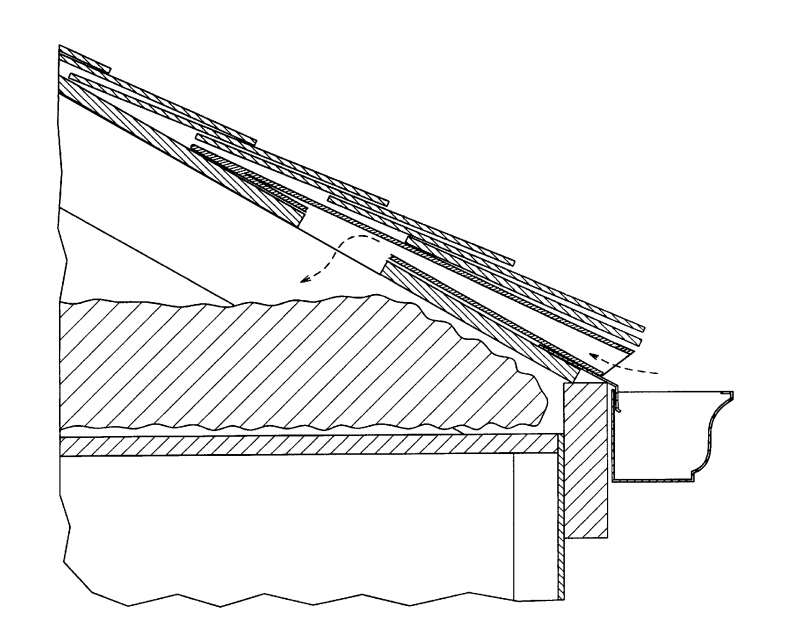
Q & A - Attic Ventilation Without Soffit Vents
Read More ...





Comments
Leave a Reply
Have an account? Login to leave a comment!
Sign In