



Preventing ice dams on flat roofs during winter
By Jesse Sanchez.
What property owners can do to prevent costly damage from ice dams.
Winter weather can place significant strain on flat roofing systems, especially in regions that experience prolonged freezing temperatures and heavy snowfall. Roofing professionals at Classic Construction & Consulting note that in cold climates, one of the most common winter roofing challenges is the formation of ice dams; ridges of ice that block drainage and trap melting snow on the roof surface.
Ice dams develop through a cycle of melting and refreezing. During the day, sunlight warms sections of the roof and causes accumulated snow to melt. As the water moves toward colder areas near the roof's edge, it refreezes and gradually forms a barrier of ice. Once that barrier develops, additional meltwater becomes trapped behind it. Over time, the pooled water can seep beneath the roofing membrane, creating conditions that may lead to leaks and long-term structural deterioration.
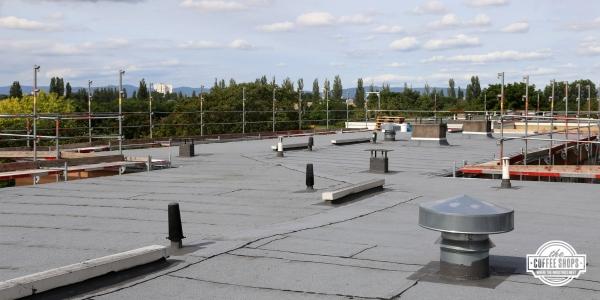
Flat roofs are particularly vulnerable to this problem because they depend on drainage systems rather than gravity to remove snowmelt. Unlike pitched roofs, which naturally shed snow and water, flat roofs tend to hold snow longer. This prolonged exposure increases the likelihood of repeated melting and refreezing cycles. When drains or scuppers become blocked by debris or ice, water can collect on the roof surface, creating the conditions necessary for ice dams to form.
The consequences of ice dams can extend far beyond the roof itself. Trapped water may infiltrate the building interior, damaging insulation, ceilings, walls and flooring. Persistent moisture can also weaken roofing membranes and contribute to mold and mildew growth within the structure. In severe cases, heavy ice accumulation may add enough weight to place additional stress on the roofing system.
Preventing ice dams begins with managing heat loss from the building. Proper insulation and ventilation help maintain a consistent roof temperature, reducing the likelihood that snow will melt prematurely and refreeze at the roof edge. Equally important is maintaining functional drainage. Regularly inspecting and clearing roof drains, scuppers and gutters allows melting snow to flow off the roof before it has the opportunity to refreeze.
Seasonal roof inspections provide an additional layer of protection. By identifying drainage issues, insulation gaps or other vulnerabilities before winter begins, property owners can reduce the risk of ice dams and help ensure their flat roofs perform reliably throughout the coldest months of the year.
Have a question? AskARoofer.
Find your local roofing contractor in the AskARoofer™ Contractor Directory.
About the author

Jesse is a writer for The Coffee Shops. When he is not writing and learning about the roofing industry, he can be found powerlifting, playing saxophone or reading a good book.
Recommended For You
Q & A - Dutch Gutters, Why Do My Gutters Clog?
Read More ...
Beldon Roofing is the March R-Club Roofer of the Month
Read More ...
How roofers find hidden roof damage
Read More ...




Comments
Leave a Reply
Have an account? Login to leave a comment!
Sign In