


Planning for solar? Here’s what homeowners need to know.
By The Coffee Shops™.
Good Faith Energy outlines the key factors homeowners should evaluate before installing solar.
In the article “What Size Solar System Does Your Texas Home Need in 2026?” Mo Abdalla of Good Faith Energy explores one of the most common questions property owners ask when considering solar energy: how large should a solar system be to meet a home’s energy needs? While the article focuses on Texas, many of the same considerations apply to homeowners across the United States.
According to Mo, determining the right solar system size depends on several factors, including household energy consumption, roof layout, climate conditions, and future energy goals. Homes with larger square footage, multiple HVAC systems, pools or electric vehicles often require larger systems to offset electricity costs effectively.
The article explains that reviewing annual electricity usage is one of the best starting points for sizing a solar array. Energy use measured in kilowatt-hours helps installers calculate how much solar production is needed throughout the year. In warmer regions where cooling systems run more frequently, homeowners may require larger solar systems than properties in milder climates.
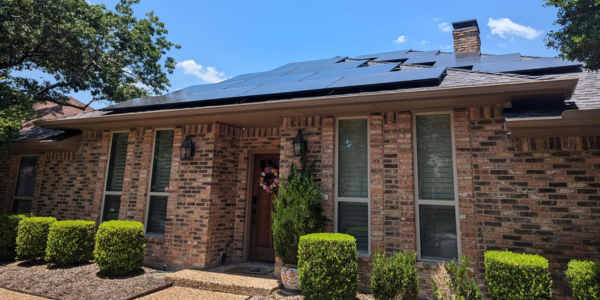
Roof design also plays a major role in system performance. South-facing roof sections typically generate the most solar energy, though east- and west-facing roofs can also perform well depending on location and sun exposure. Shading from trees, vents or neighboring structures may reduce available installation space and influence panel selection.
Mo also highlights how future planning can impact system sizing. Homeowners considering electric vehicle charging or battery storage may benefit from installing a slightly larger system upfront to support future energy demands. Battery systems, while not directly increasing the number of required panels, can improve backup power capabilities and energy independence during outages.
The article notes that proper sizing is critical to maximizing long-term savings and system efficiency. A solar system that is too small may not offset enough utility costs, while an oversized system may produce more electricity than a homeowner can effectively use depending on local utility policies.
Have a question? AskARoofer.
Find your local roofing contractor in the AskARoofer™ Contractor Directory.
Recommended For You
Specifying Underlayments for Metal Roofs
Read More ...
"Soldier Rows" of snow guards help with snow retention
Read More ...
Rain Chains - Do They Really Work?
Read More ...





Comments
Leave a Reply
Have an account? Login to leave a comment!
Sign In