


Maximizing your home’s energy efficiency
By Jesse Sanchez.
Learn how roofing materials, insulation and ventilation work together to reduce heat transfer, stabilize indoor temperatures and lower utility costs.
When homeowners begin looking for ways to reduce energy bills, the focus often turns to appliances, thermostats or interior upgrades, yet the most critical improvements frequently start at the very top of the structure, where the roof serves as the primary barrier between the living space and the elements. This is a reality that companies such as J&K Roofing emphasize when evaluating a home’s overall energy performance. Because the roof is responsible for blocking solar heat, retaining indoor warmth and managing moisture, its overall condition directly affects how hard a home’s heating and cooling systems must work throughout the year, making professional assessment and proper installation essential to long-term efficiency.
Unlike many interior components, a roof is exposed every day to intense sun, heavy snow, wind, hail and temperature swings that can gradually weaken materials and compromise performance. As roofing systems age or lack sufficient insulation, they allow heat to escape during winter and permit unwanted heat gain during summer, forcing furnaces and air conditioners to run longer cycles in order to maintain a consistent indoor temperature. Over time, that added workload not only increases monthly utility costs but also accelerates wear on mechanical equipment.
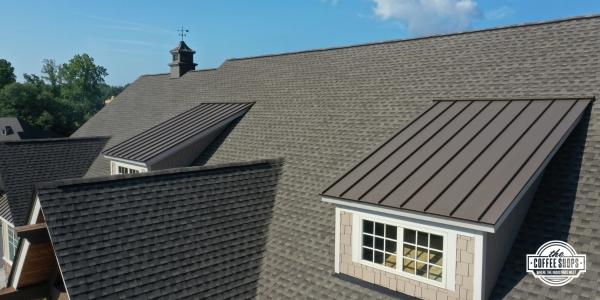
In climates where weather conditions can shift dramatically from season to season, selecting roofing materials engineered to resist wind uplift, shed snow and withstand prolonged ultraviolet exposure becomes especially important. Impact-resistant shingles, metal roofing and other durable systems help preserve structural integrity while maintaining more consistent thermal performance across extreme conditions.
However, even the most resilient roofing material cannot deliver full energy efficiency without proper insulation and balanced ventilation beneath it. A well-insulated attic slows heat transfer between indoor and outdoor environments, while ridge vents or attic fans regulate airflow and moisture, preventing heat buildup in summer and condensation in winter. When these components function together as a unified system, they create a stable thermal envelope that supports lower energy consumption and improved year-round comfort.
For homeowners seeking measurable efficiency gains, a comprehensive roof evaluation is often the most strategic place to begin.
Have a question? AskARoofer.
Find your local roofing contractor in the AskARoofer™ Contractor Directory.
About the author

Jesse is a writer for The Coffee Shops. When he is not writing and learning about the roofing industry, he can be found powerlifting, playing saxophone or reading a good book.
Recommended For You

Q & A - Ridge Caps Blowing Off, What Can I Do?
Read More ...
Keep Your Building Healthy by Maintaining the Air Quality
Read More ...
Q & A - Why Does My Attic Creak at Night?
Read More ...




Comments
Leave a Reply
Have an account? Login to leave a comment!
Sign In