



Matching new copper to an aged patina
By Kate Smith, Sensational Color.
Copper is a material you'll be looking at for decades; a few extra days spent comparing samples in your own light is worth the investment of time.
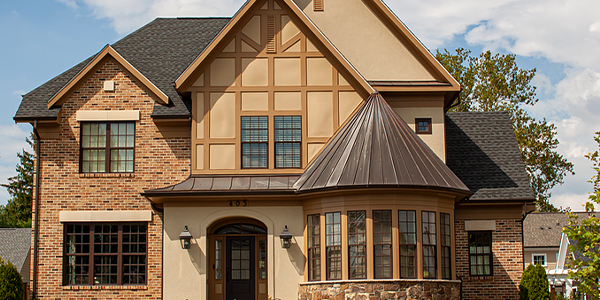
If your home has a copper turret, cupola or dormer that has developed a rich green-blue patina over the years, you already know it's one of the more distinctive details a house can have. So, when a re-roofing project calls for new copper flashing or valleys near that feature, homeowners often ask the same question: Won't the bright new copper clash with the existing copper?
It will, at first. New copper starts a warm salmon-pink and takes years to reach the deep verdigris of an aged roof. But that mismatch isn't permanent, and there are three ways to handle it.
 Option 1: Let it weather naturally
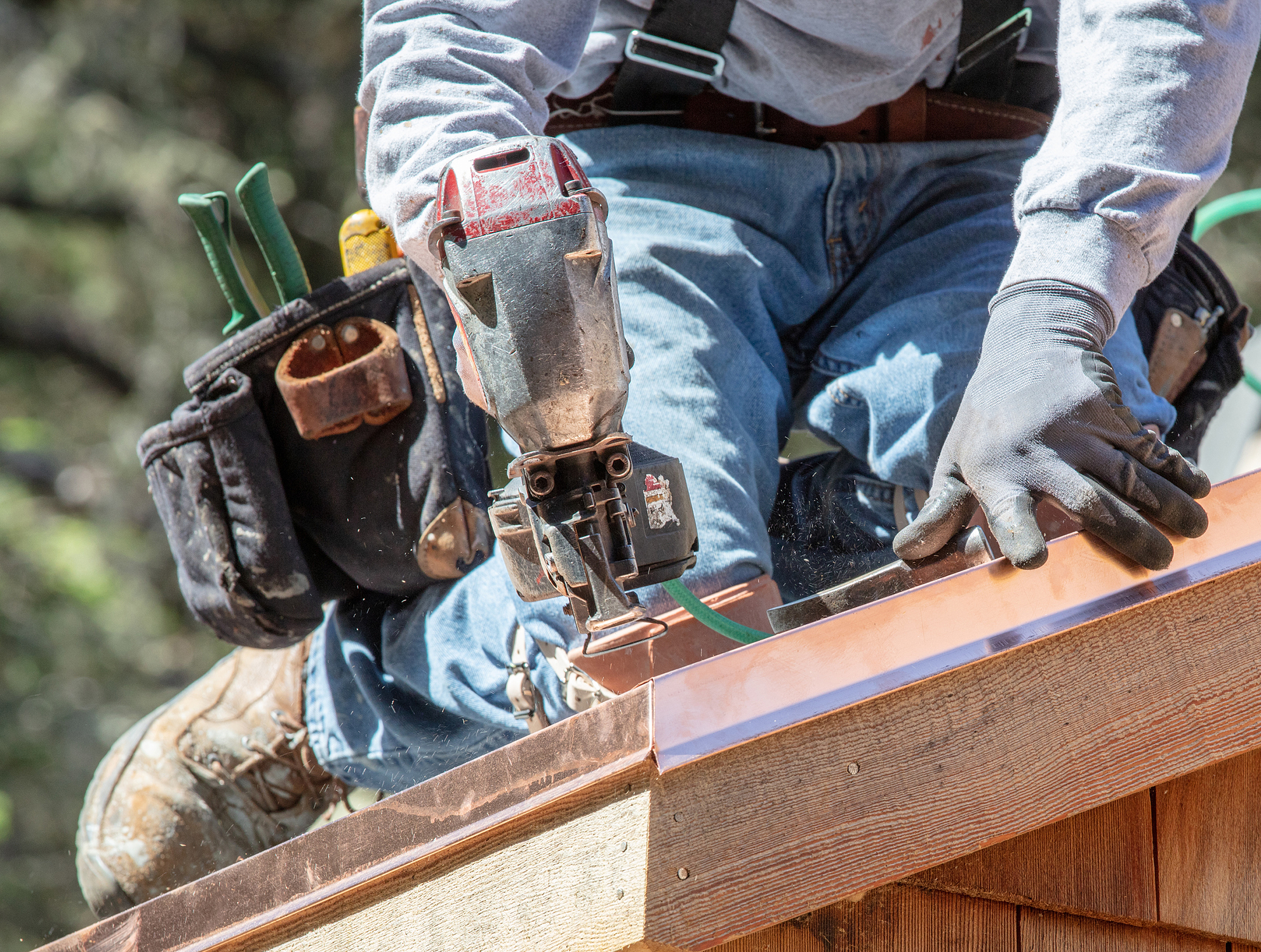
Copper doesn't stay bright for long. Most copper elements and accents tone down to a brown-bronze within the first year and show real darkening within two to three years. A full green patina typically takes 5 to 20 years to form. This happens faster in humid or coastal climates, slower in dry ones.
Natural aging is the lowest-risk option: The new copper will gradually catch up to the existing copper, and the result stays authentic because it's the same process that produced the original patina. The trade-off is patience — you'll live with some contrast for a while.
 Option 2: Have it chemically patinated
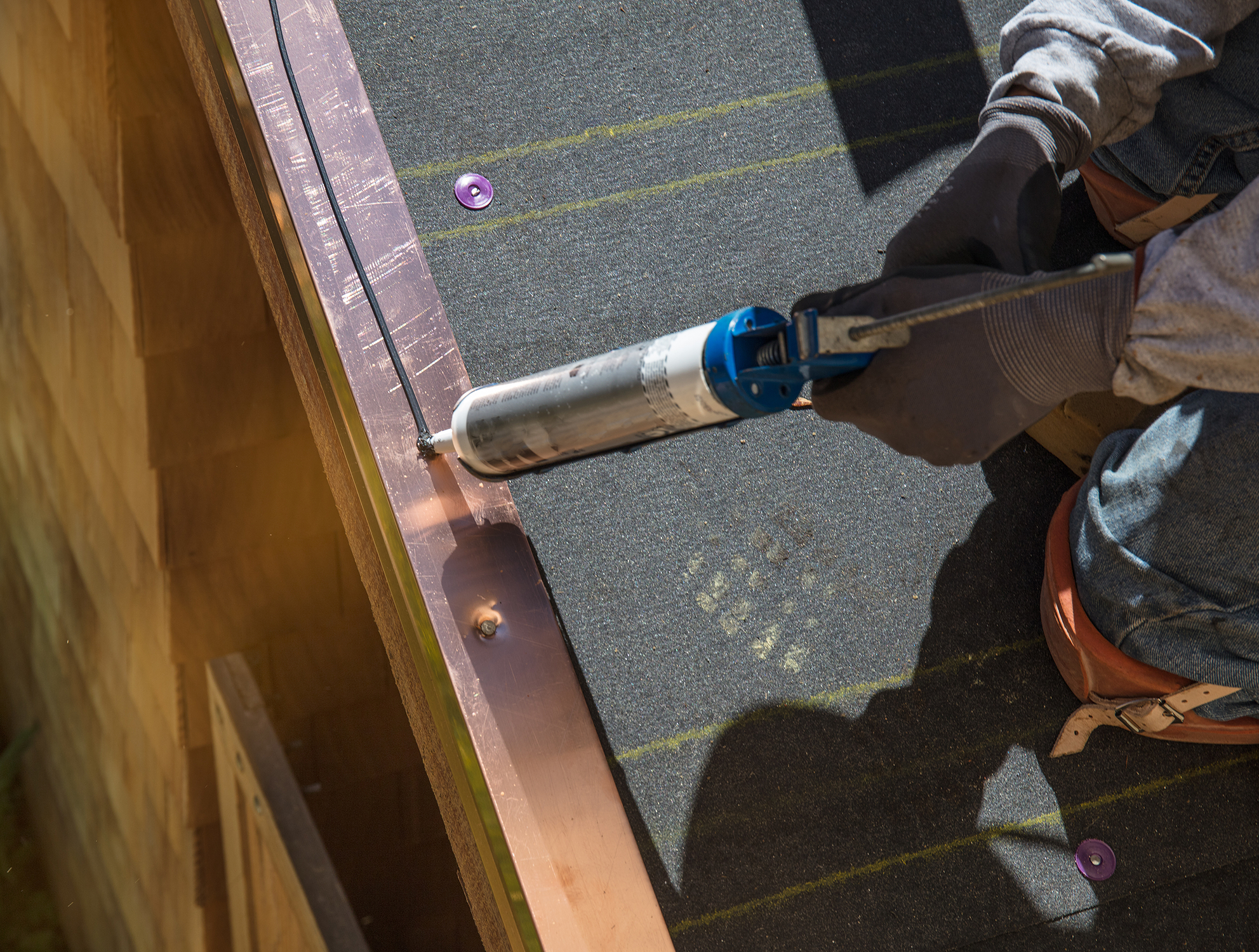
Commercial patina solutions can age new copper to a green-blue finish in a day or two rather than years. A chemical patina can work well, but results vary with the applicator's skill, the weather at the time of treatment and the specific product used.
A chemically induced patina can also look more even and uniform than copper that weathers outdoors for two decades. So make sure to ask to see the treated sample against your existing copper — ideally in daylight — before committing to a full installation.
Option 3: Choose a pre-weathered or alternative material
Several manufacturers sell copper pre-finished to a weathered look, and some will color-match a batch to a physical sample from your home. Lead-coated copper is worth knowing about, too: instead of turning green, it weathers to a soft silvery gray. It won't match an existing patina, but for some homes, that contrast is the point rather than the problem, and it pairs well with light-colored masonry or trim since its runoff doesn't stain the way copper's does.
 Which to choose?
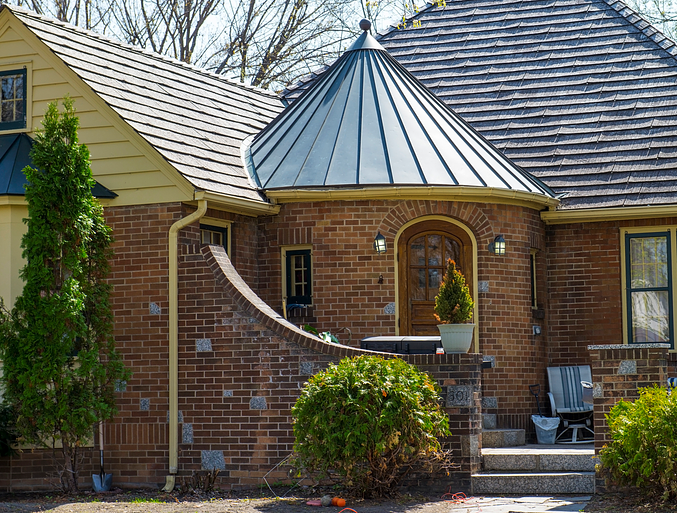
For most homeowners with an established patina they want to protect, letting new copper weather naturally is the safest bet. It requires no chemical treatment, no risk of an uneven finish and it ages the same way the original copper did.
If immediate visual harmony matters more than the wait, send a sample of your existing copper to a manufacturer that offers pre-weathered matching — that route avoids the unpredictability of an on-site chemical patina.
Whichever direction you choose, ask your contractor to bring a sample panel before the full run goes in. Copper is a material you'll be looking at for decades; a few extra days spent comparing samples in your own light is worth the investment of time.
Learn more about DaVinci Roofscapes in their Coffee Shop Directory or visit www.davinciroofscapes.com.
Recommended For You
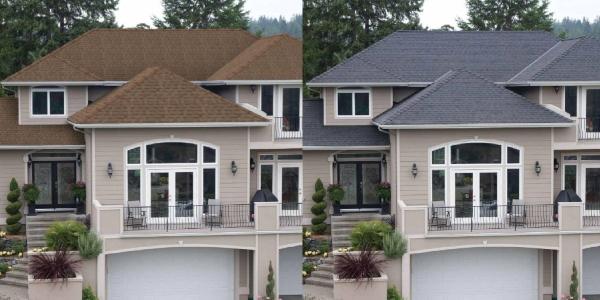
New Web-based Roofing Visualizer Tool From PABCO Roofing Products Lets Homeowners Explore Asphalt Roof Options
Read More ...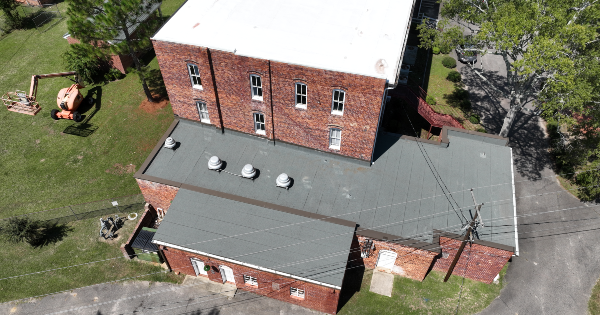
Polyglass ADESO® Self-adhered Membranes Installed on Historic Home in North Carolina
Read More ...
History of Roofing - American Asphalt Shingles
Read More ...




Comments
Leave a Reply
Have an account? Login to leave a comment!
Sign In